Best insulation materials for home renovation and refurbishment
Improving insulation can make a noticeable difference to the comfort and energy efficiency of a home, but not every insulation product belongs in the same type of project.
Some upgrades are relatively straightforward and can be carried out in accessible areas such as an attic.
Others only make sense when walls, floors or roofs are already being opened up as part of refurbishment work.
At the other end of the scale, products such as rigid cavity wall insulation are generally associated with extensions, new wall construction or major renovation where the building fabric is being substantially altered.
That distinction matters.
Choosing insulation is not simply about finding the material with the best thermal performance.
You also need to consider where it will be installed, how much of the building needs to be opened up, whether specialist installation is required and what other elements of the construction need to be addressed at the same time.
Below, we look at insulation choices according to the level of intervention involved, from simple home upgrades through to major structural work.
Level 1: Simple insulation upgrades
The least disruptive insulation projects are usually those where the area is already accessible and the existing building fabric does not need to be dismantled.
The attic is one of the most common examples.
Loft and attic insulation
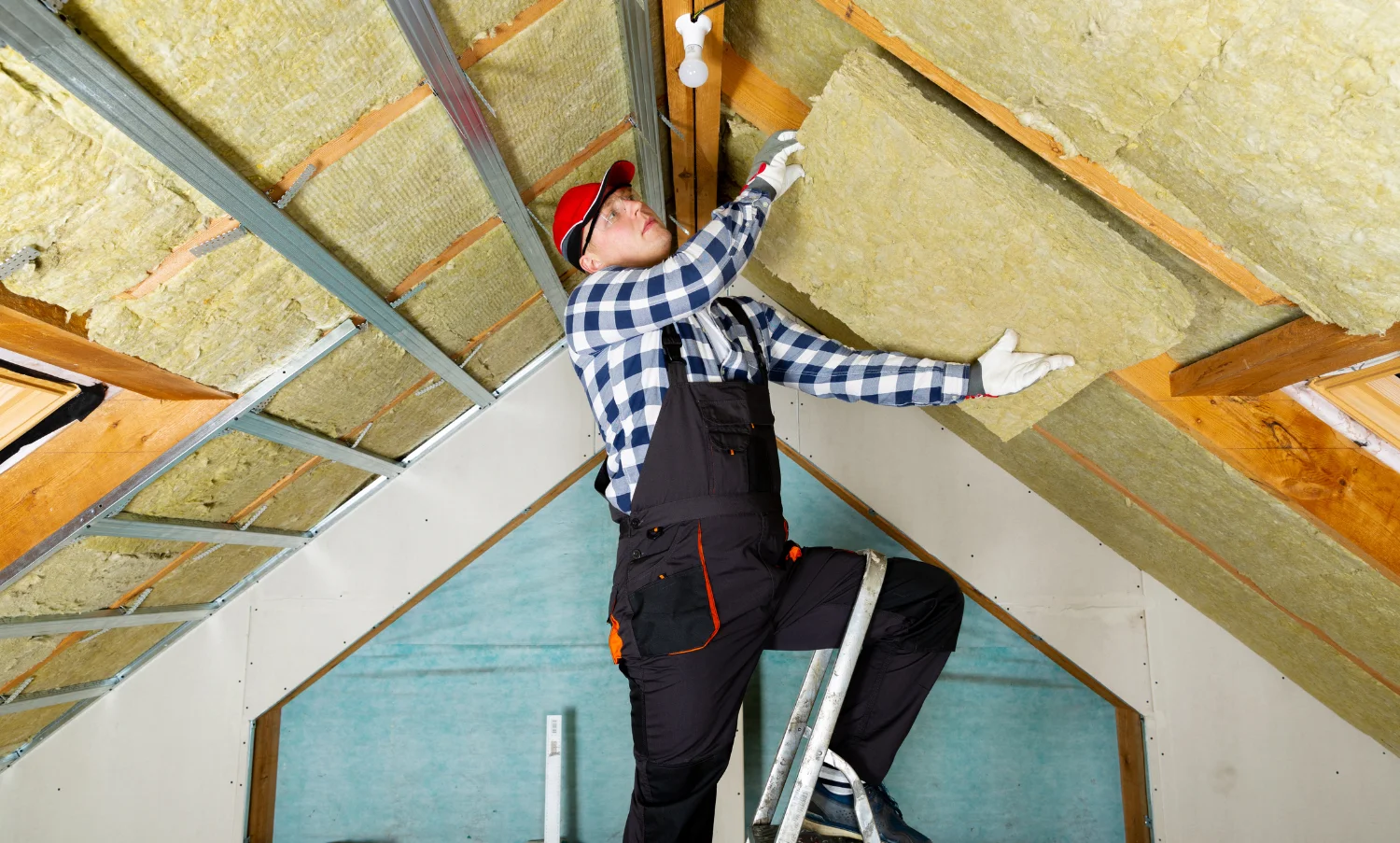
Where an attic is accessible and the insulation at ceiling level is inadequate, adding or upgrading insulation can often be one of the more straightforward ways to improve thermal performance.
Products such as Rockwool Attic Insulation and Rockwool Thermal Loft Insulation are designed for loft applications and can be installed between and over ceiling joists where the construction allows.
The Knauf Earthwool Insulation Loftroll 44 range provides several thickness options, including Knauf Earthwool Insulation – Loftroll 44 (100mm x 13.9m²), Knauf Earthwool Insulation Loftroll 44 (150mm x 9.18m²) and Knauf Earthwool Insulation Loftroll 44 (200mm x 6.84m²).
Using different thicknesses can be useful when insulation is being installed in layers.
However, the correct build-up should be determined by the existing construction and the required thermal performance rather than simply adding the thickest product available.
A common concern is whether loft insulation can simply be compressed underneath storage boards.
In general, compressing soft insulation reduces the space available to trap air and can reduce its effectiveness.
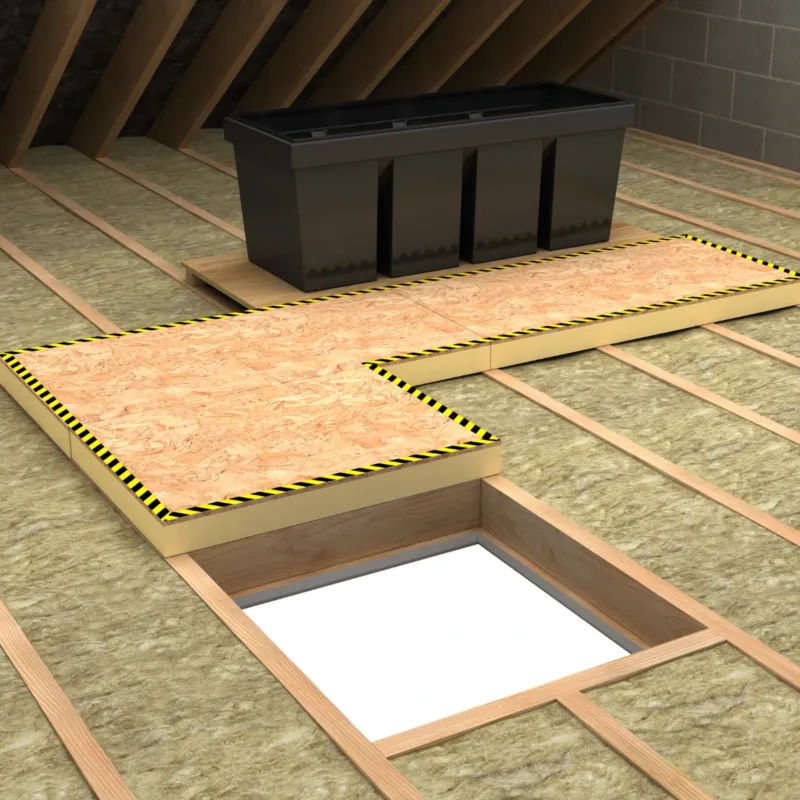
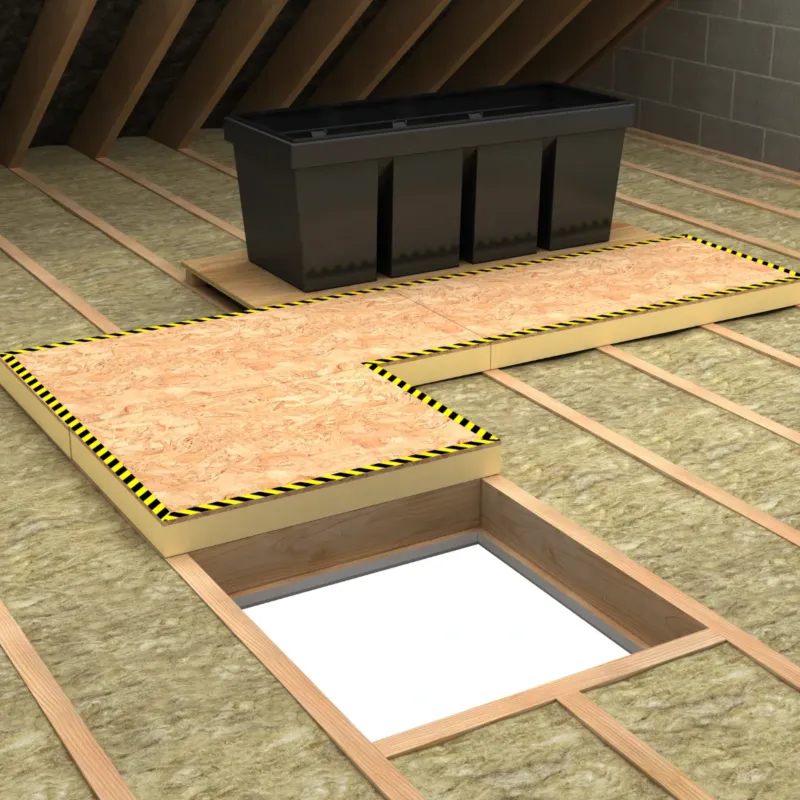
If attic storage is needed, it is better to create a raised storage platform.
Loft Legs can help raise loft boarding above the insulation layer, allowing insulation depth to be maintained while still providing usable storage space.
Another option for suitable projects is Unilin Thin-R XT/Walk-R Insulated Loft Decking Boards 14.4m² | 86mm PIR, which combines insulation with a loft decking solution.
Dealing with attic access points
The attic hatch is an easy area to overlook.
Even where the rest of the loft is well insulated, an uninsulated or poorly sealed access hatch can create a weak point in the thermal envelope.
An Economiser Attic Tent Insulation 120x60cm can be used around appropriate attic access points to improve insulation around the opening.
Recessed lighting also needs careful consideration.
Insulation should not simply be packed around electrical fittings without checking whether the fitting and installation method are suitable.
A Loft Lid Downlight Cover can form part of an appropriate solution around compatible downlights, but electrical safety and the manufacturer's installation guidance should always take priority.
Insulating tanks and cylinders
Not every useful insulation upgrade involves the walls or roof.
Tanks and hot water cylinders can also benefit from appropriate insulation.
An Economiser Cylinder Jacket can help reduce unwanted heat loss from a suitable hot water cylinder, while Water Tank Insulating Jackets can provide insulation for appropriate water tanks.
Tanks and hot water cylinders can also benefit from appropriate insulation.
These are relatively small interventions compared with structural insulation work, but they can still contribute to the overall efficiency of a home.


Level 2: Moderate refurbishment and internal upgrades
The next level includes work where parts of the building are being opened up, but without the extensive structural intervention associated with rebuilding external walls or constructing an extension.
This might include removing internal linings, replacing ceilings, upgrading a pitched roof from inside, carrying out a loft conversion or opening floors and partitions during refurbishment.
Thermal and acoustic insulation between rooms
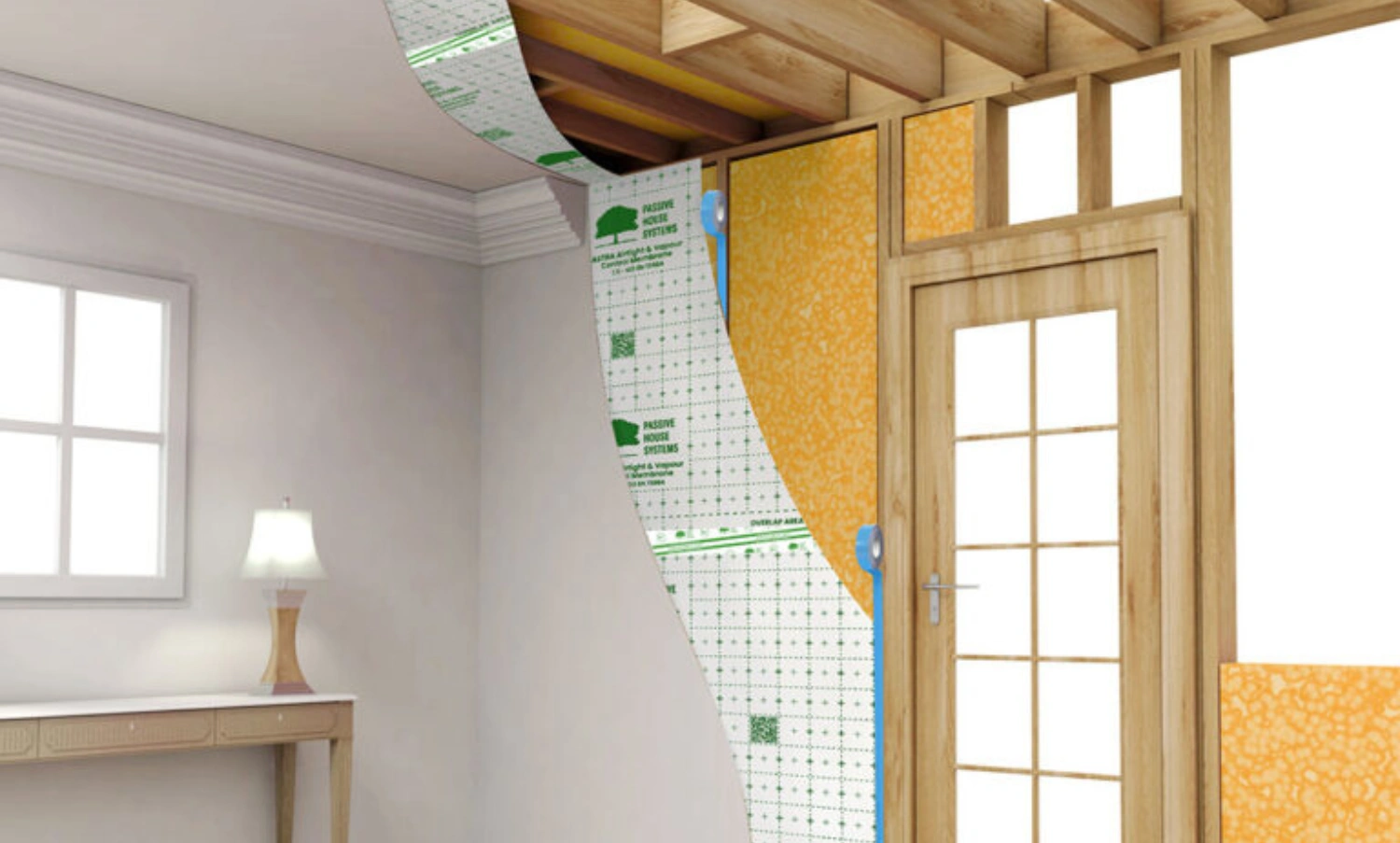
When internal walls, ceilings or floors are already open, it can be a good opportunity to improve both thermal and acoustic performance.
Rockwool Flexi Insulation (Acoustic & Thermal) Mineral Wool is suitable for applications where both heat retention and sound reduction are important.
Similarly, Metac Isover Acoustic & Thermal Insulation Roll can be considered where a flexible insulation product is needed within an appropriate wall, roof or floor build-up.
Homeowners often ask whether acoustic insulation will completely soundproof a room.
It is important to distinguish between insulation and full soundproofing.
Acoustic insulation can help reduce sound transmission, particularly within partitions and floors, but the overall result also depends on the construction of the wall or floor, the number and type of board layers, junction details, gaps, doors, sockets and flanking sound paths.
In other words, the insulation is only one part of the acoustic system.
Sheep wool insulation
For homeowners interested in natural insulation materials, Sheep Wool Insulation provides an alternative to conventional mineral wool in suitable applications.
It can be used where a flexible insulation material is required and may be particularly attractive in projects where the choice of building materials and environmental considerations are important.
As with any insulation product, suitability depends on the construction around it.
Moisture behaviour, ventilation and the complete wall or roof build-up should all be considered rather than treating the insulation as an isolated component.
Insulating pitched roofs
Roof insulation becomes more involved when insulation is being installed at rafter level rather than simply across the attic floor.
This type of work is common where an attic is being converted into living accommodation or where the roof itself is being upgraded as part of substantial refurbishment.
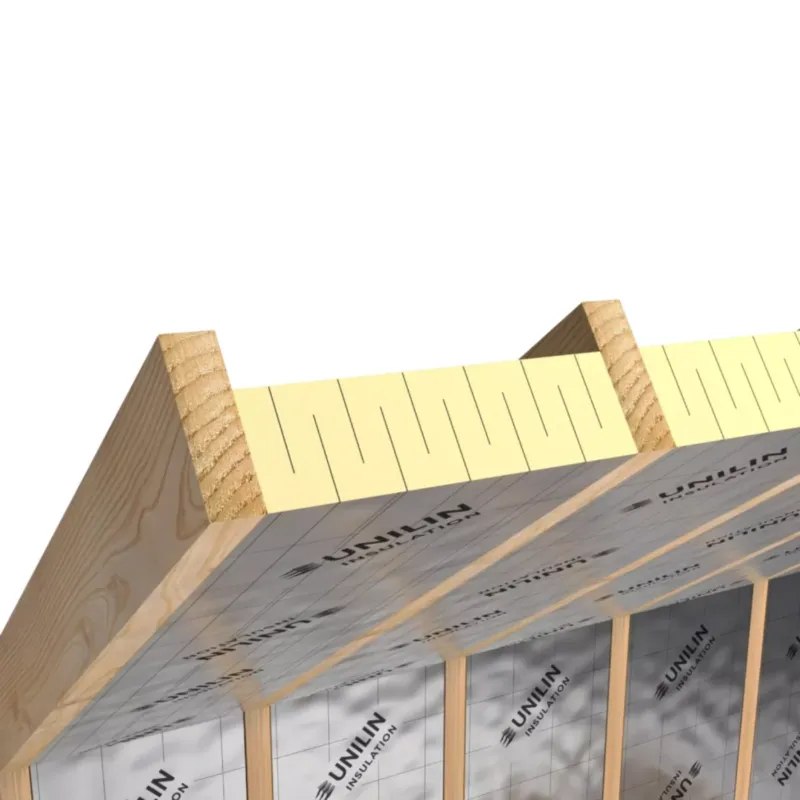
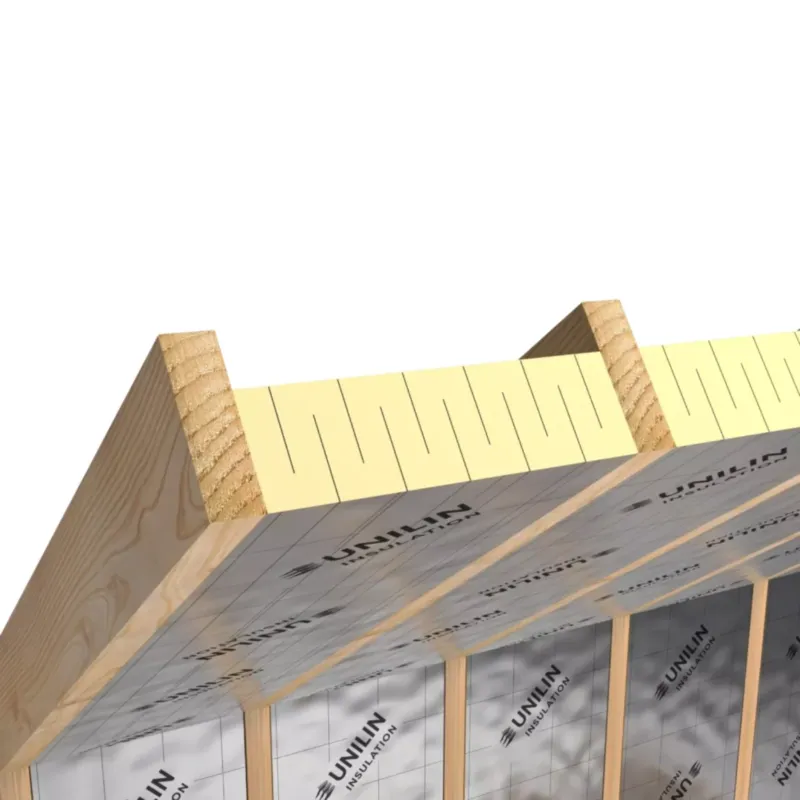
Unilin RafterLoc PIR Rafter Insulation for Pitched Roofs is designed for pitched roof applications and can be considered where the insulation layer forms part of the roof build-up.
This is a different type of project from laying mineral wool at ceiling level.
Once insulation is introduced at rafter level, issues such as ventilation, condensation risk, airtightness and the relationship between the insulation and roof membrane become much more important.
The correct build-up should therefore follow the project specification and manufacturer's installation requirements.
Specialist insulation around windows, doors and structural elements
Some of the most difficult places to insulate are not large wall areas but narrow junctions.
Posts, window reveals and door openings can create areas where conventional insulation is difficult to fit without taking up valuable space.
Spaceloft Aerogel Strip Insulation for Posts, Windows & Doors is intended for these types of restricted areas.
Aerogel insulation can be particularly useful where a thin insulation layer is needed, although it is generally a more specialist product than conventional mineral wool or PIR.
These narrow details are worth taking seriously.
A wall can contain substantial insulation overall, but poorly treated junctions can still create localised cold spots and thermal bridges.
Foil and multifoil insulation
Products such as Superfoil Quilt Insulation SF19+ - 10m x 1.5m and Superfoil Double Foil Bubble Insulation SFBA MP 7m x 1m can form part of suitable wall, roof or floor build-ups.
They should not, however, automatically be treated as direct replacements for thick layers of conventional insulation.
Reflective and multifoil products rely on the way they are installed, including factors such as adjacent air spaces and continuity.
Their performance therefore depends heavily on using the correct construction build-up.
This is one of the areas where homeowners should pay particular attention to the manufacturer's stated installation method rather than comparing products on thickness alone.




Level 3: Major renovation, extension and structural work
The most substantial insulation interventions involve parts of the building fabric that are normally inaccessible once construction is complete.
This includes cavity walls, structural floors, flat roofs and major external wall alterations.
These products are generally relevant when constructing an extension, rebuilding sections of a property, carrying out major refurbishment or undertaking work where the wall, floor or roof structure is already exposed.
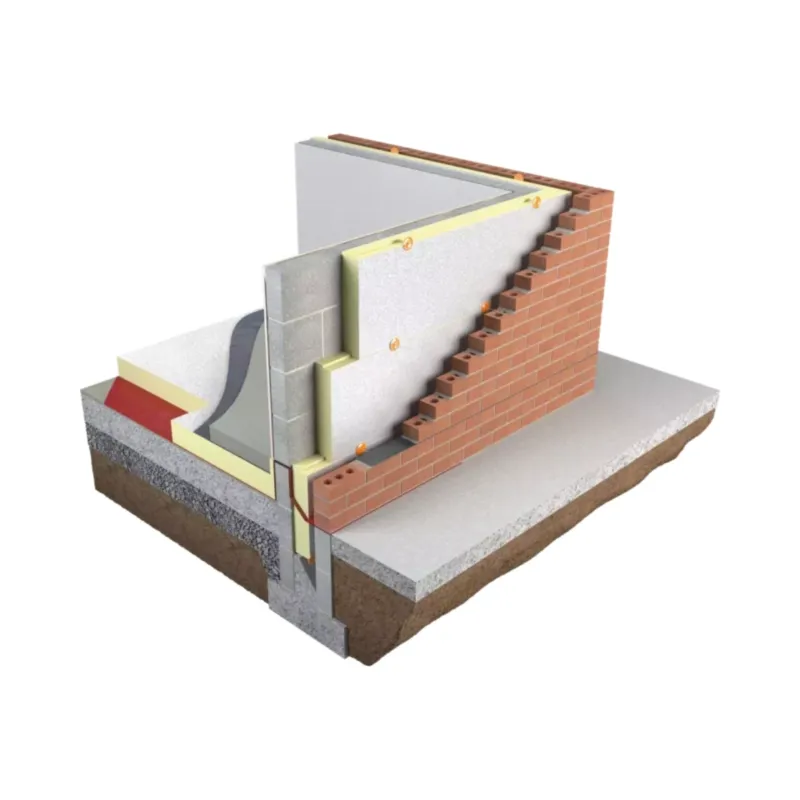
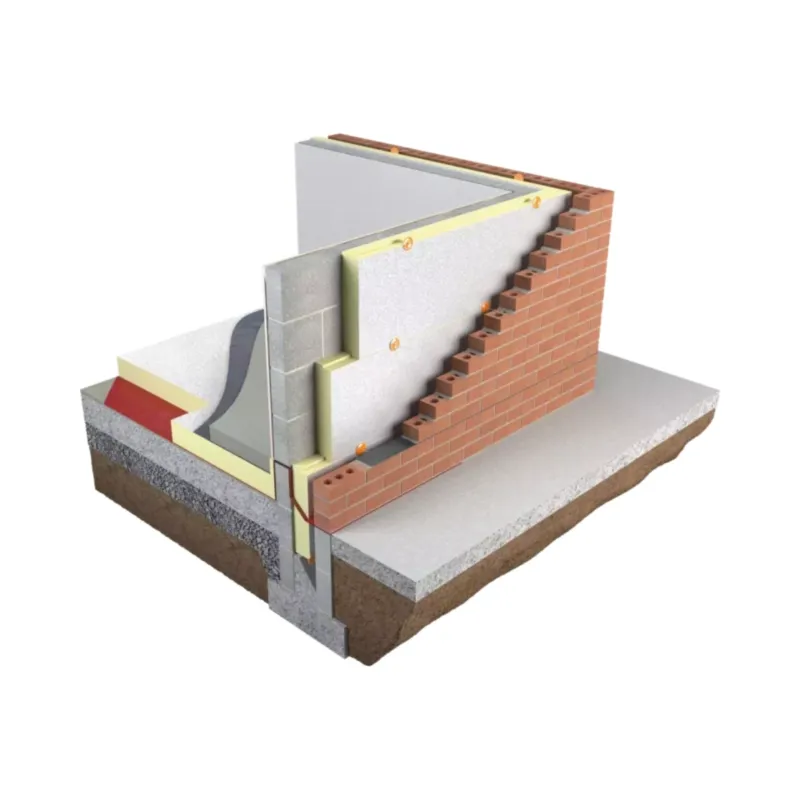
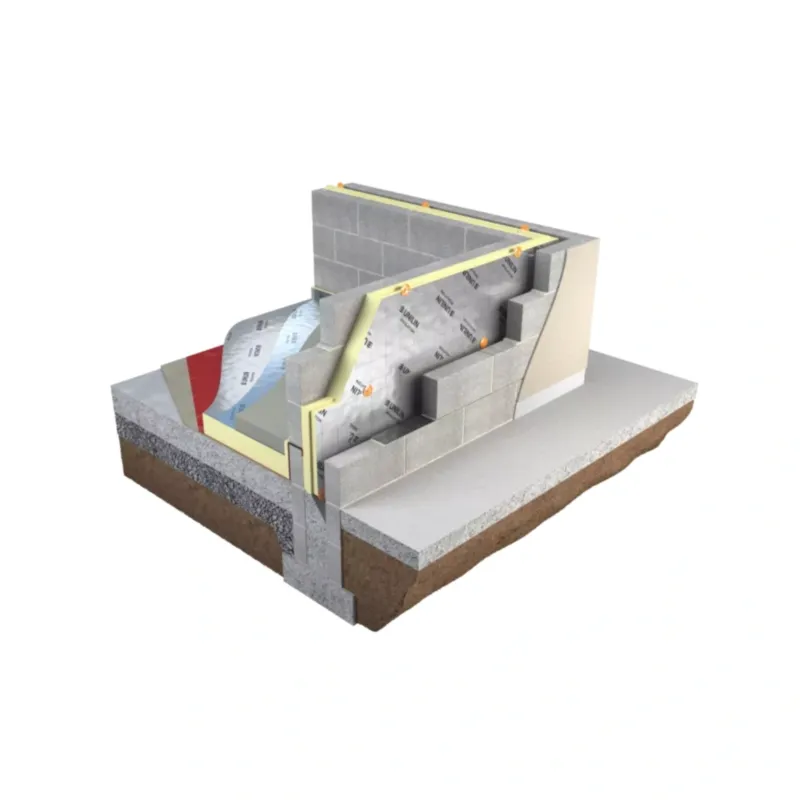
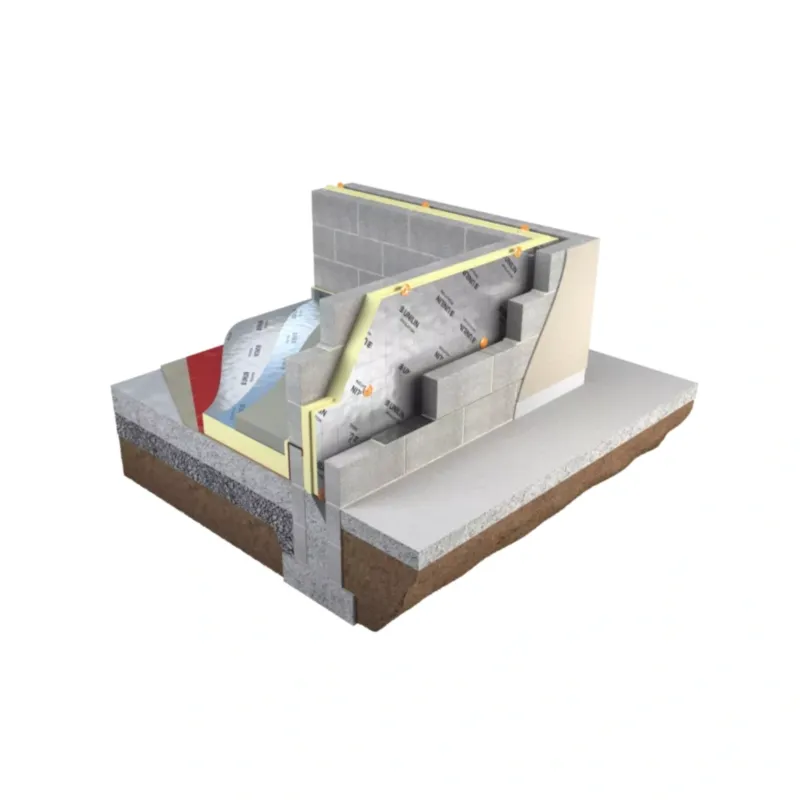
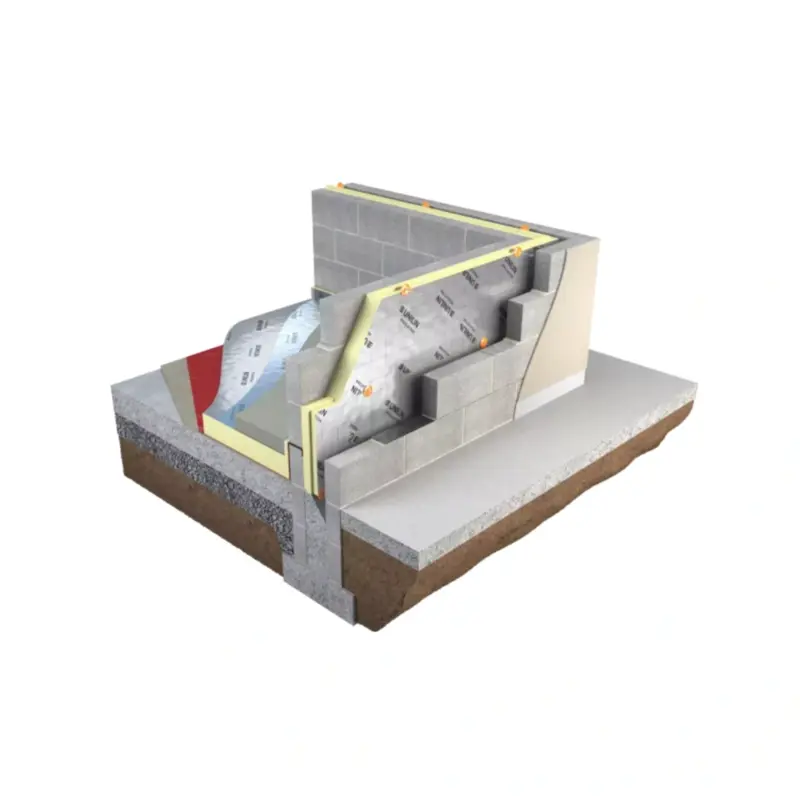
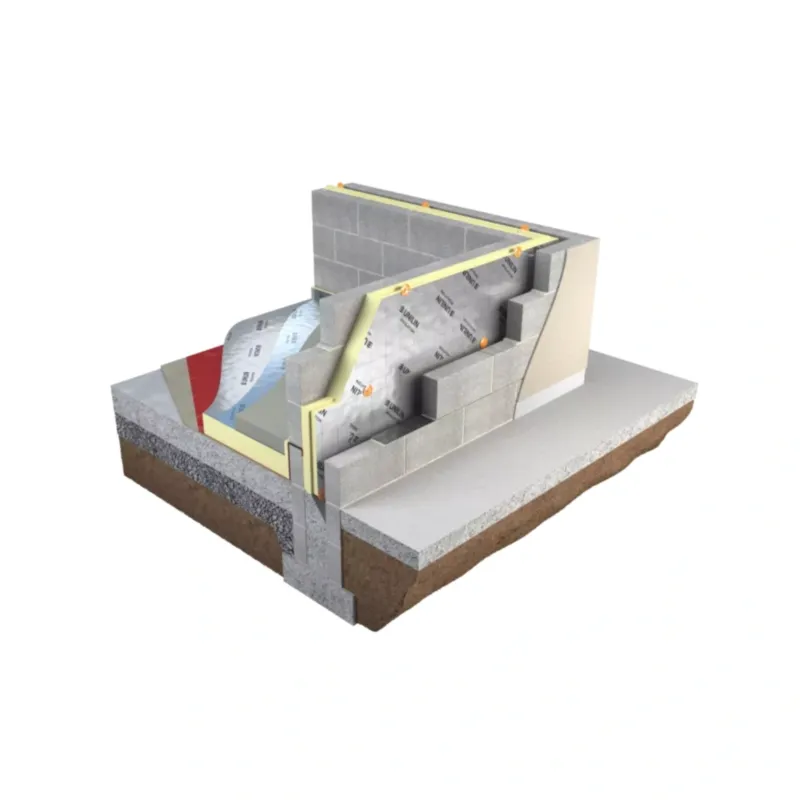
PIR cavity wall insulation
Rigid PIR cavity wall insulation is a good example of why the term “home renovation” can sometimes be misleading.
A homeowner cannot normally take a finished cavity wall and simply slide rigid PIR boards into it.
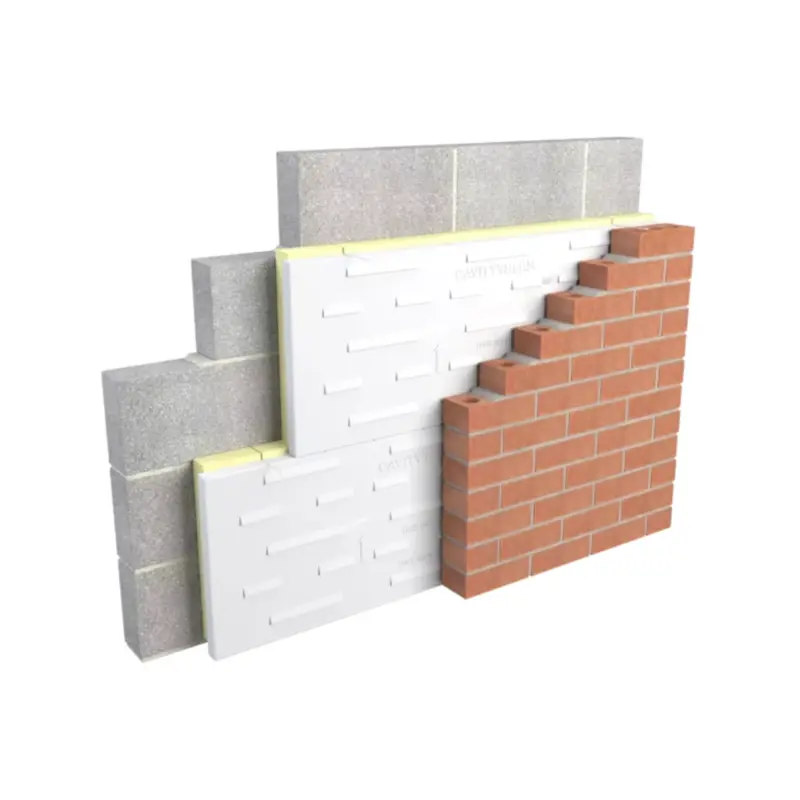
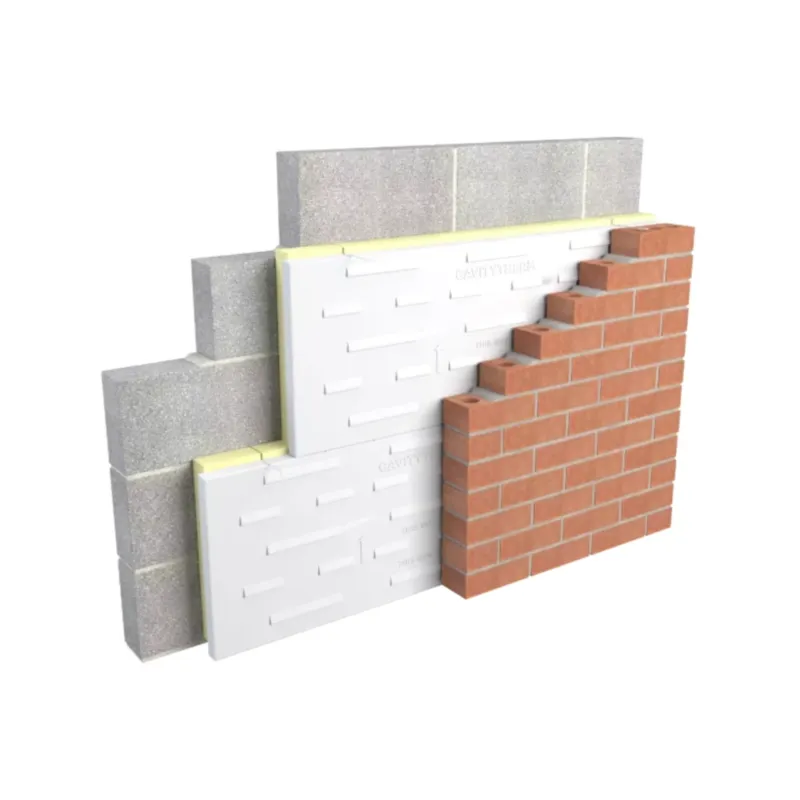
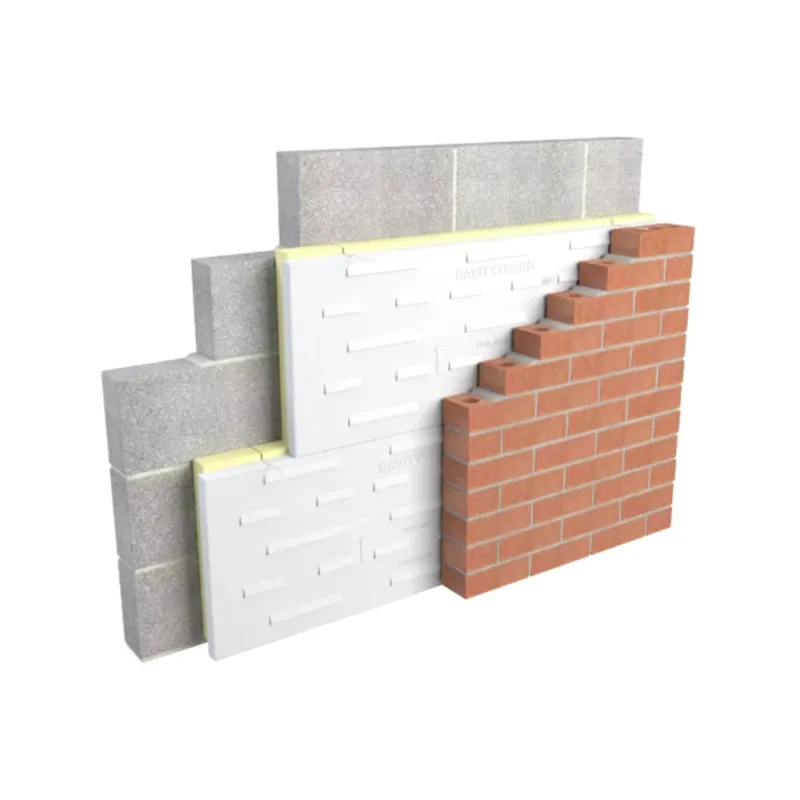
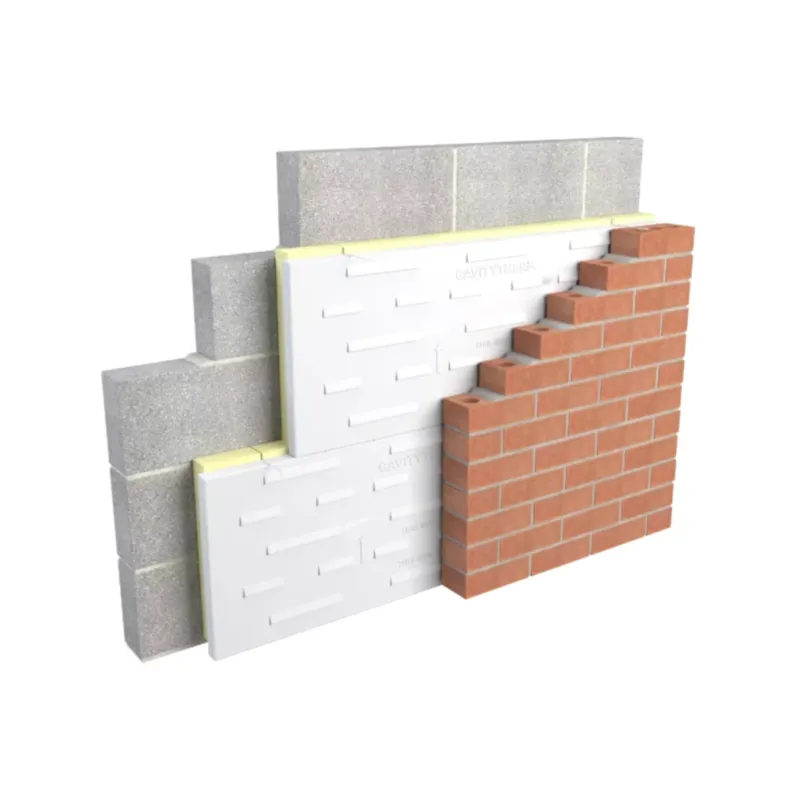
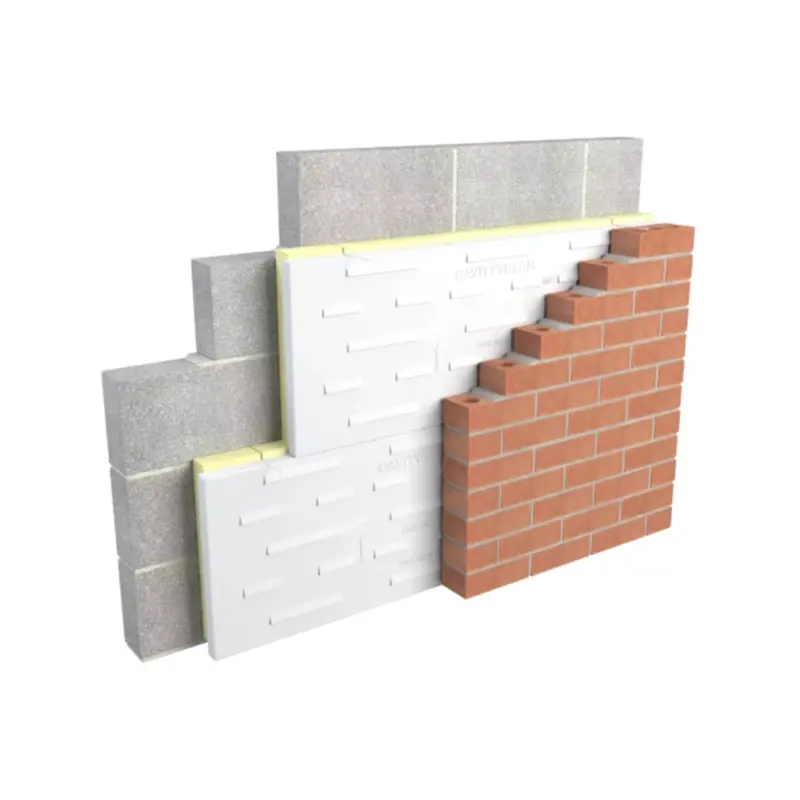
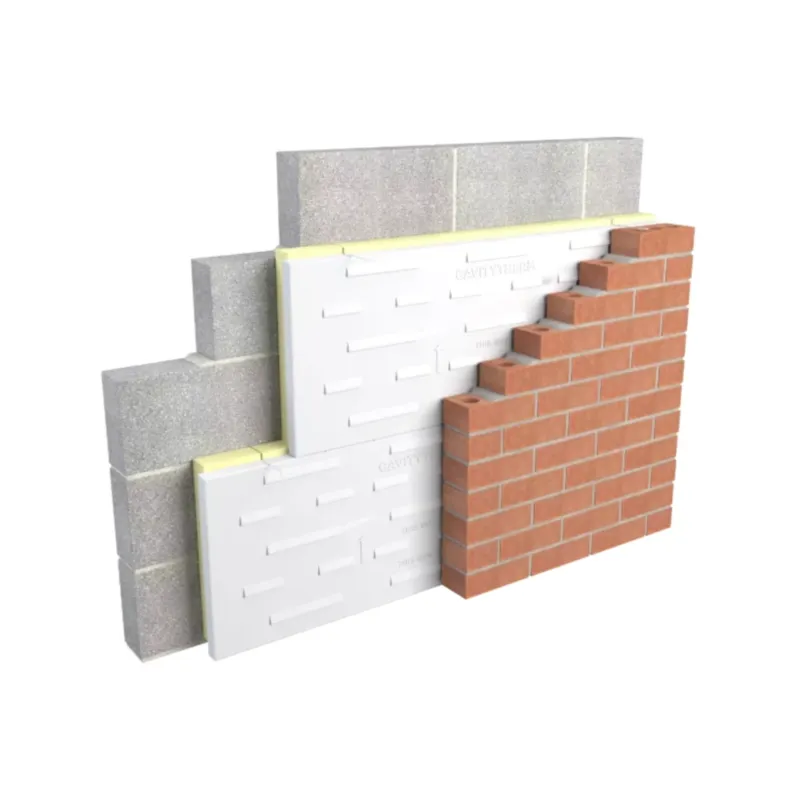
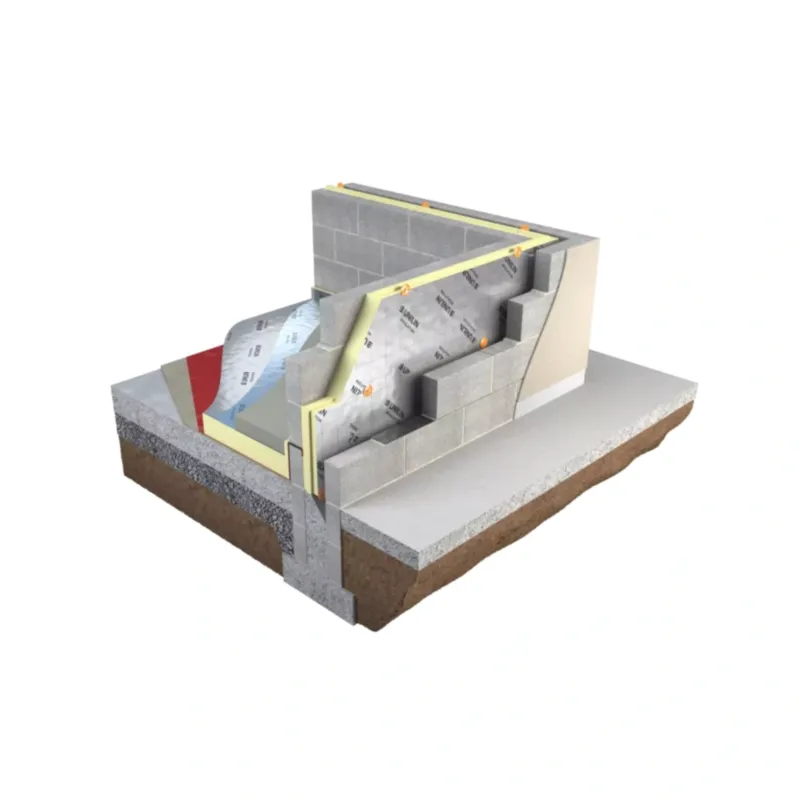
Products such as Unilin Cavity Wall Insulation are intended for appropriate cavity wall construction where the insulation can be installed correctly as the wall is built or substantially reconstructed.
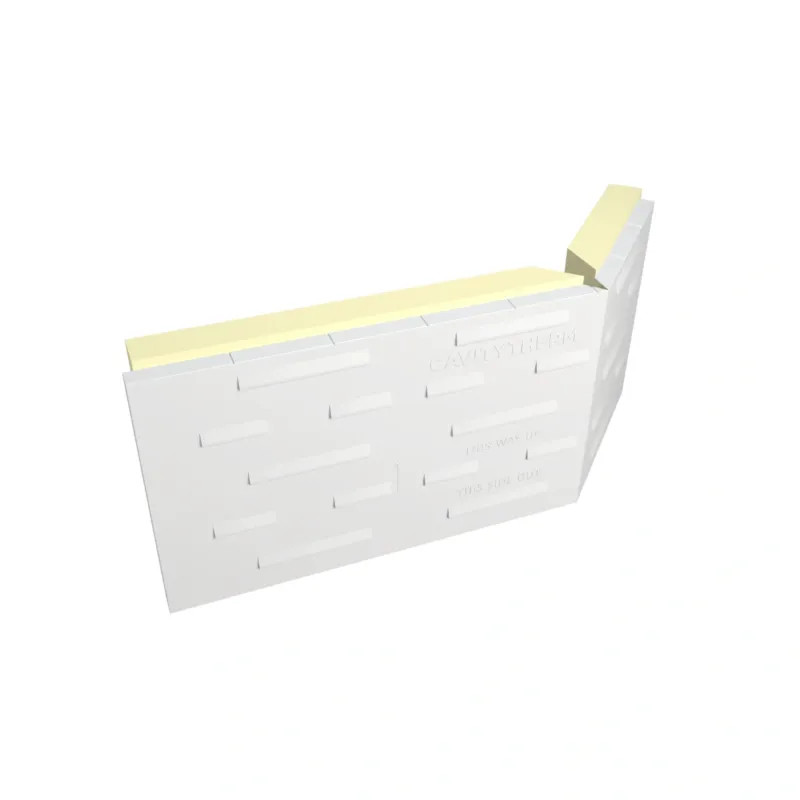
Similarly, products in the Unilin CavityTherm PIR Cavity Wall Insulation range are more relevant to extension work, new cavity wall construction and major refurbishment than to a simple retrofit of an intact wall.
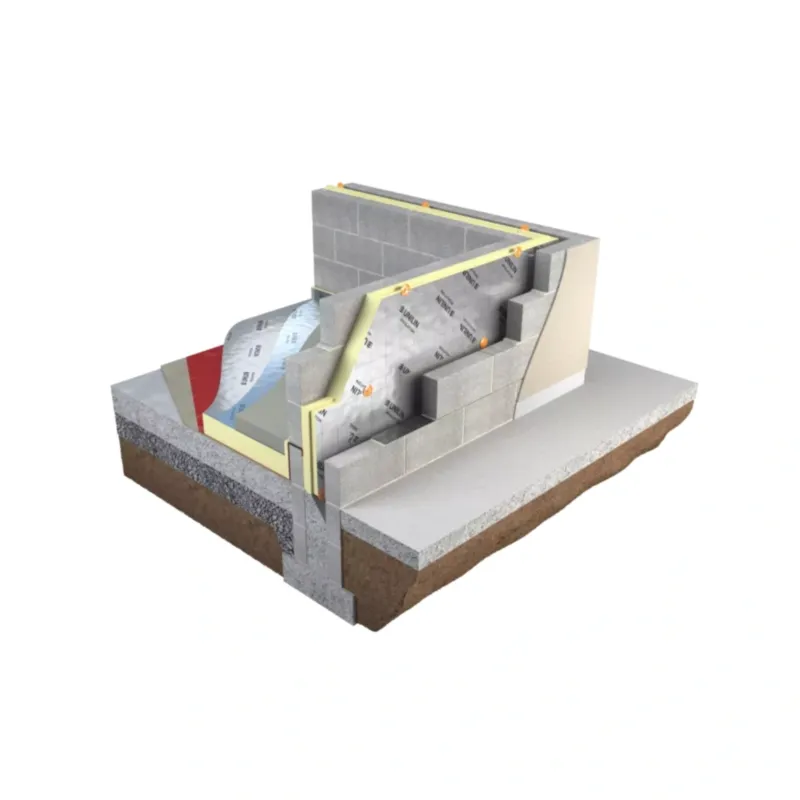
Unilin XtroWall Plus PIR Cavity Wall Insulation 110mm provides another rigid insulation option for suitable cavity wall construction.
One of the main advantages of PIR is that it can provide strong thermal performance within a relatively compact thickness.
But the quality of the installation is very important.
Gaps between boards, poorly treated junctions and discontinuities around openings can all reduce the effectiveness of the insulation layer.
Corners and thermal bridging
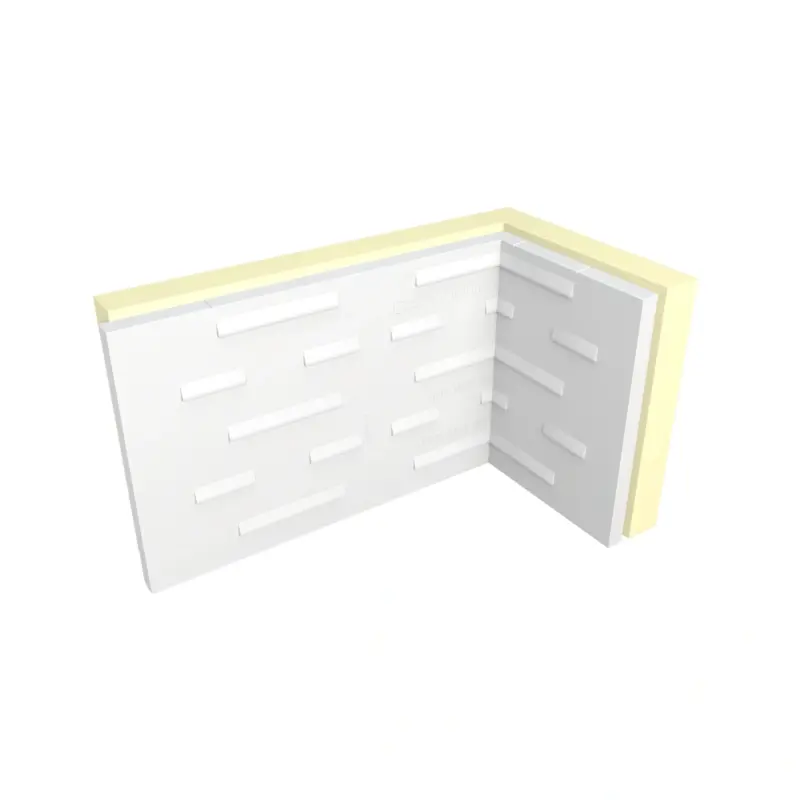
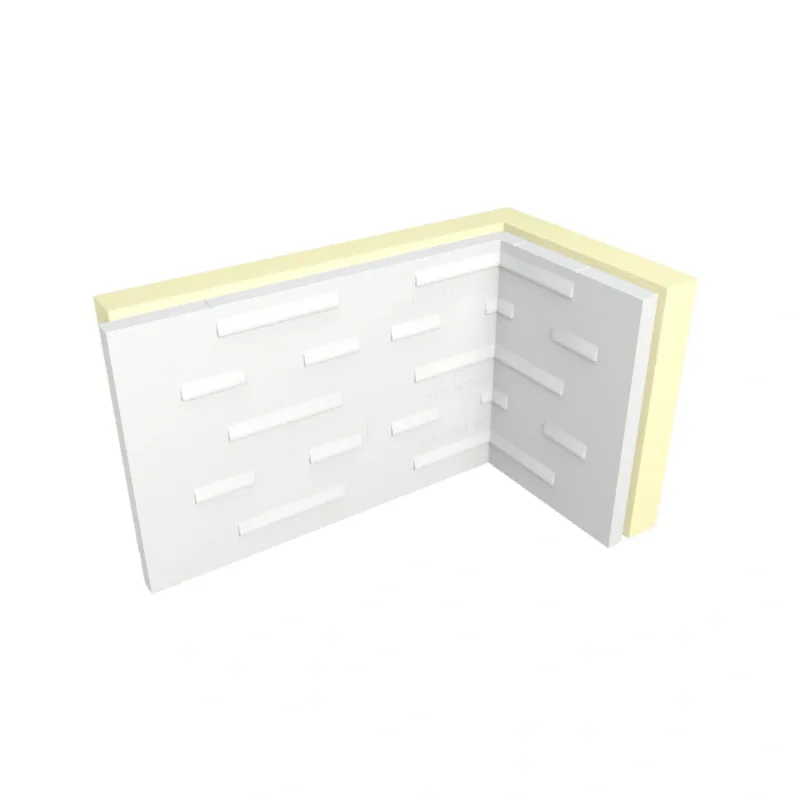
Corners and junctions require particular attention because they can interrupt an otherwise continuous insulation layer.
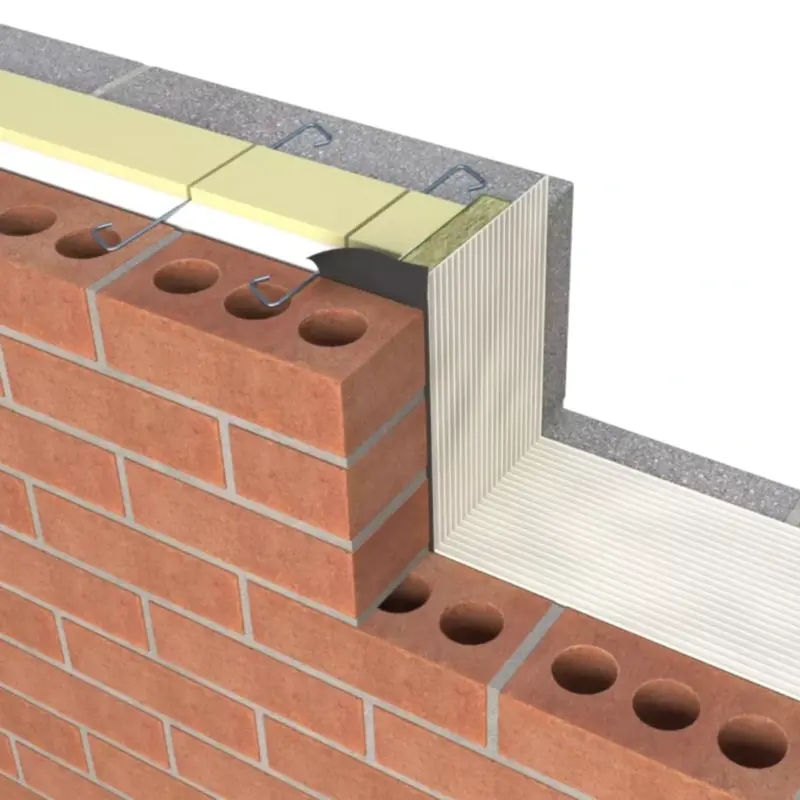
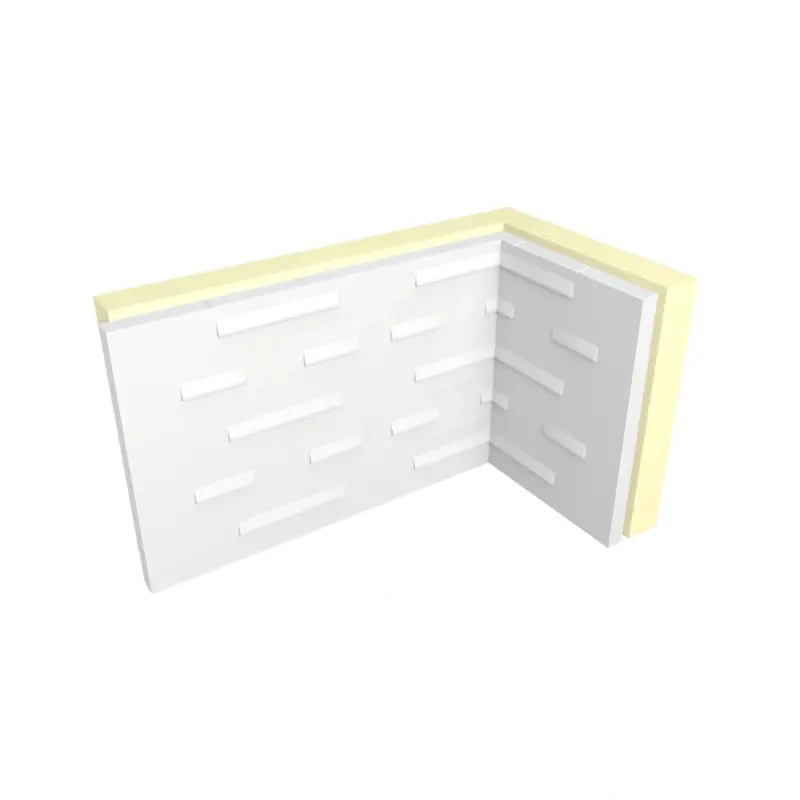
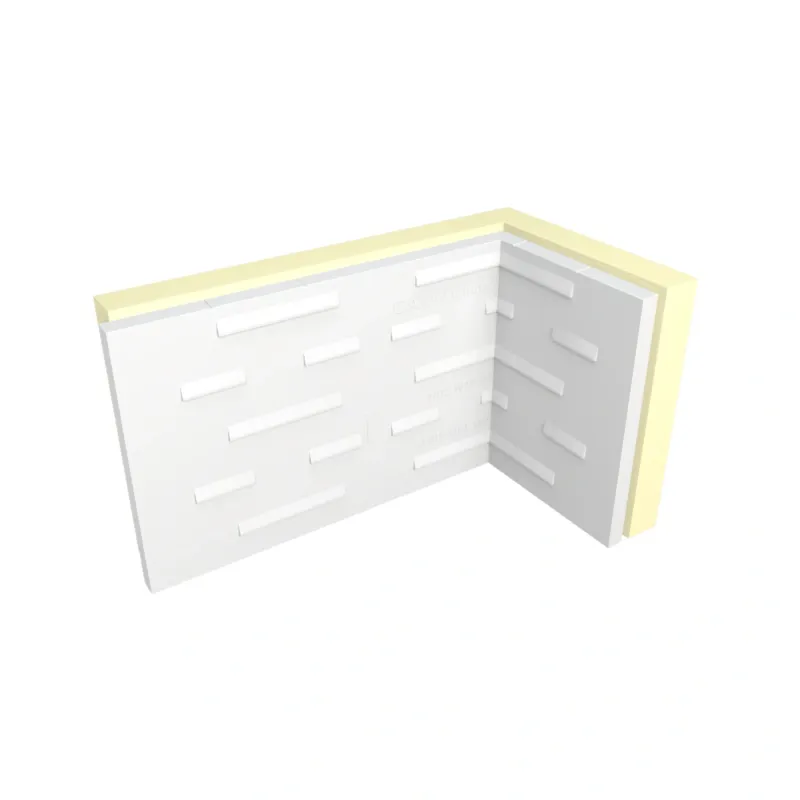
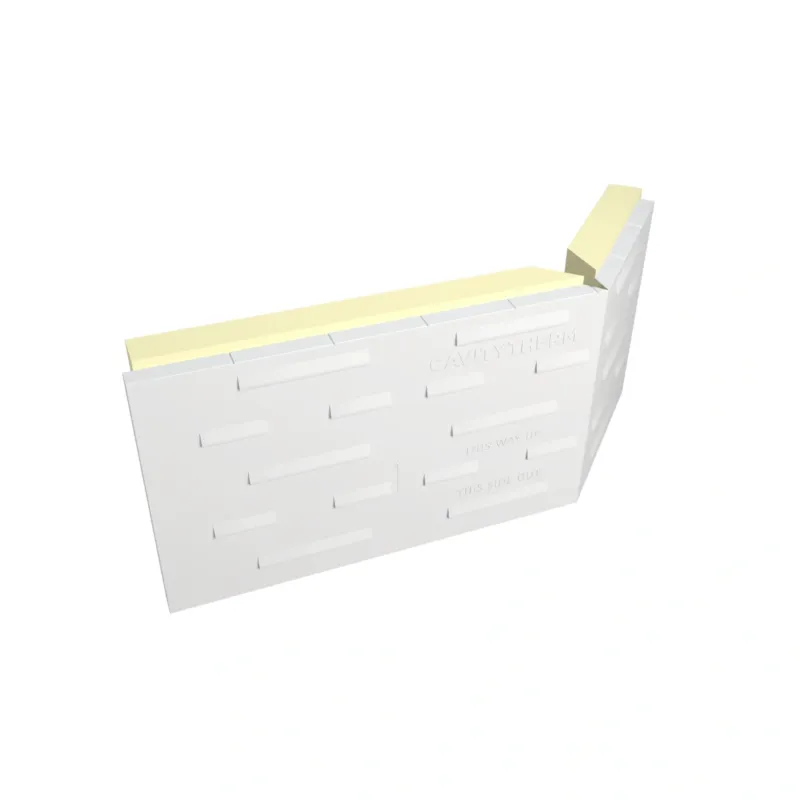
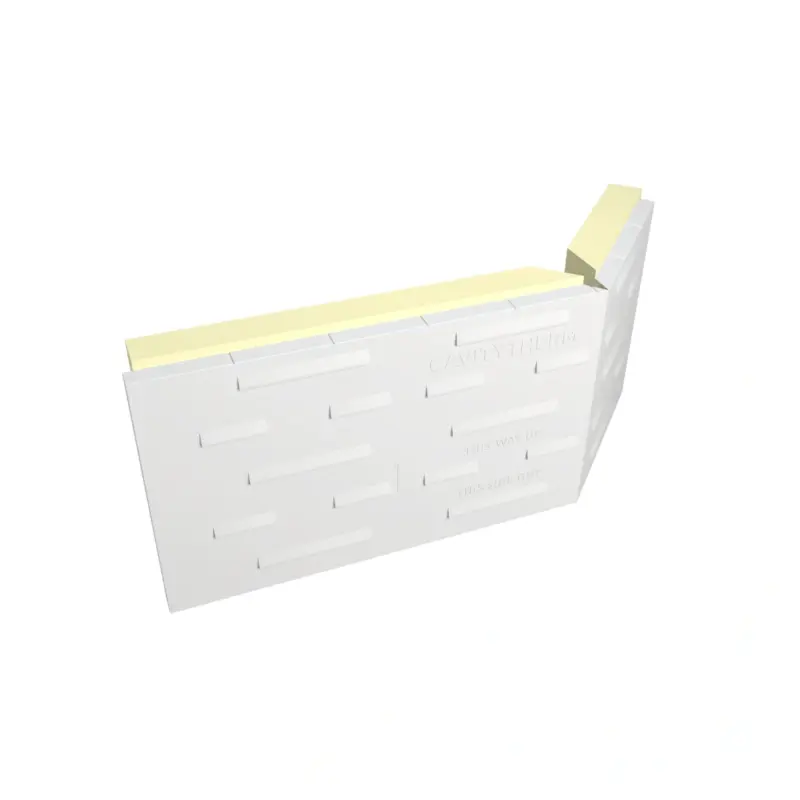
Products such as Unilin CavityTherm Internal Corner PIR Insulation are designed to address appropriate corner details within the system.
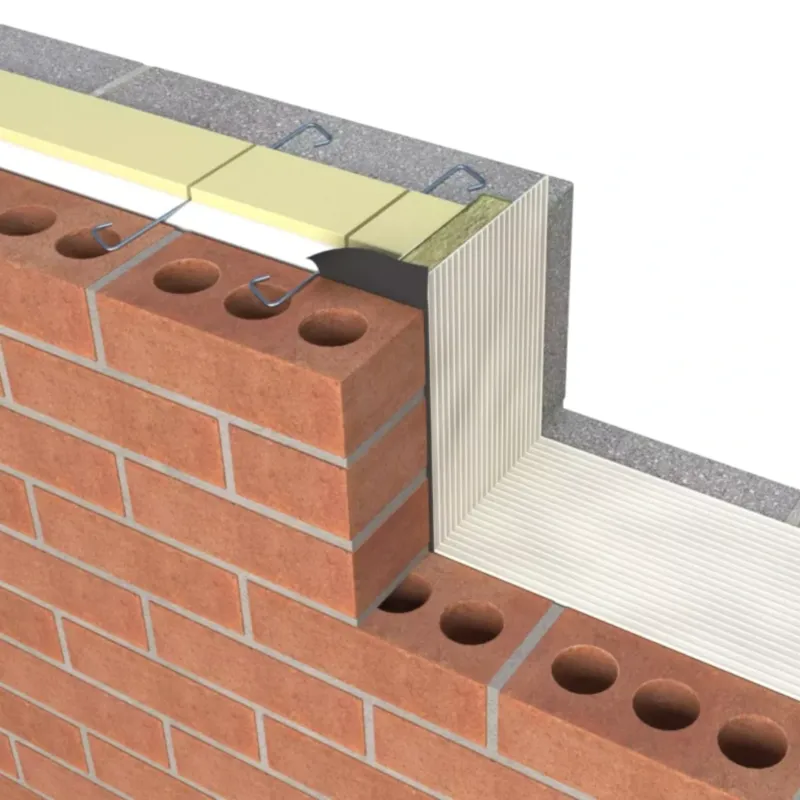
Similarly, Unilin Close-R Insulated Cavity Closer can be used as part of suitable detailing around cavity openings.
These components may look like minor accessories compared with full insulation boards, but good detailing is essential.
Thermal performance depends on continuity, not simply on the insulation value of the main wall area.
Floor insulation
Floor insulation often becomes practical when an existing floor is being replaced or when a new floor is being constructed as part of an extension.
Unilin Thin-R XT/PR_UF Floor Insulation Boards 2.88m² provide rigid PIR insulation for suitable floor applications.
Adding insulation beneath a floor can be an effective way to improve thermal performance, but it is usually much more disruptive than adding loft insulation.
Floor levels, damp protection, structural build-up, door thresholds, services and finished floor height may all need to be considered.
That is why floor insulation is often most practical when substantial floor work is already planned.
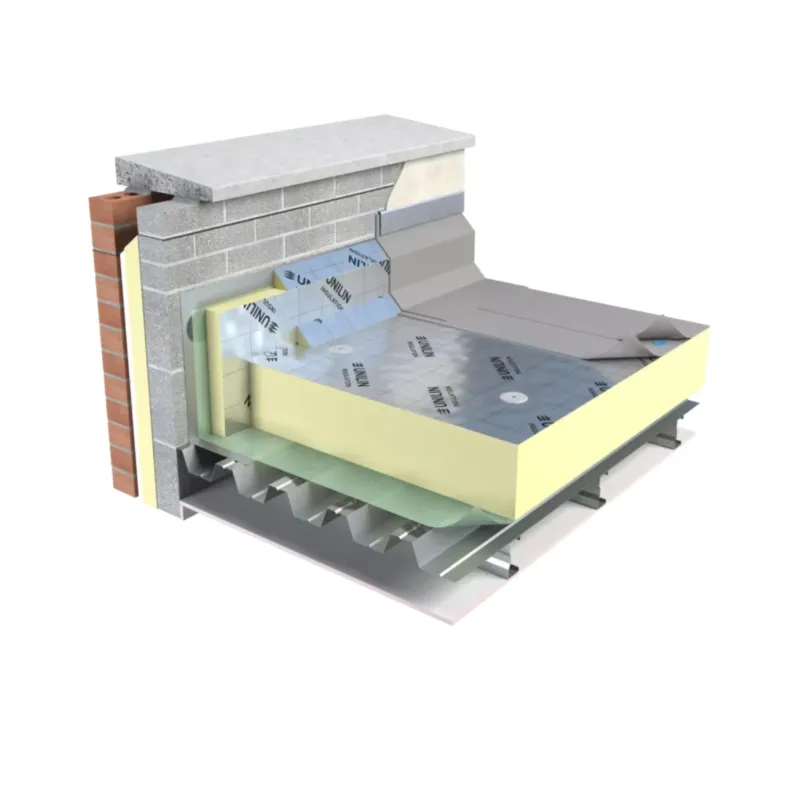
Flat roof insulation
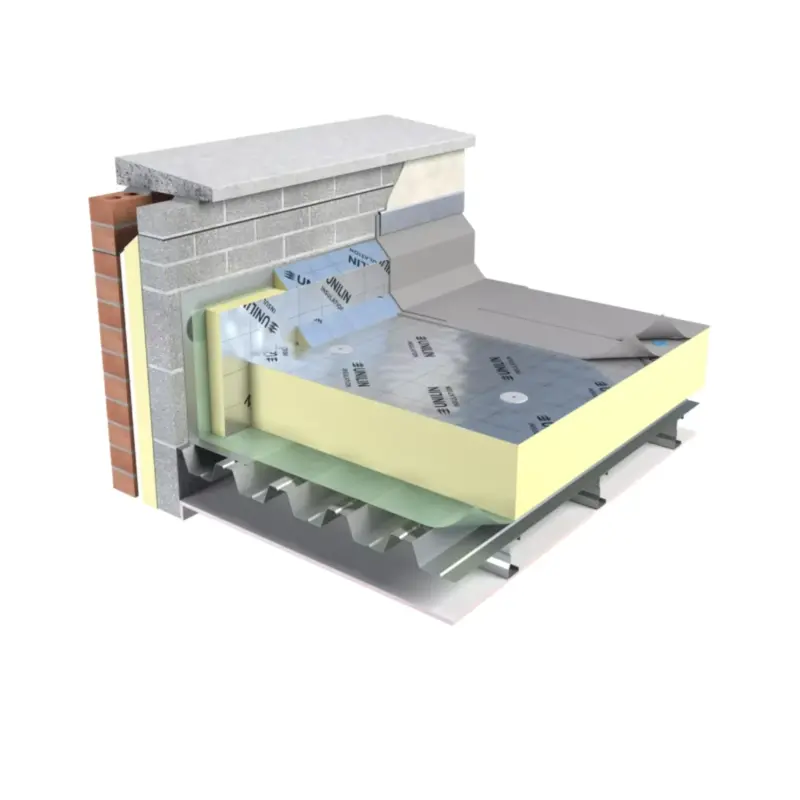
Insulating a flat roof is usually part of a more substantial roofing project, such as replacing the roof covering, rebuilding the roof build-up or carrying out a major refurbishment.
Unilin Thin-R FR/ALU PIR Flat Roof Insulation Boards are designed for use within suitable flat roof constructions, where the insulation is installed as part of the complete roof system.
Unlike loft insulation, flat roof insulation is not normally something that can simply be added without disturbing the existing construction.
The position of the insulation, roof deck, vapour control layer and waterproofing all need to work together correctly to help manage heat loss and reduce the risk of condensation or moisture problems.
For that reason, flat roof insulation is generally best considered when the roof is already being opened, replaced or substantially upgraded, with the final build-up based on the project design and manufacturer’s installation guidance.
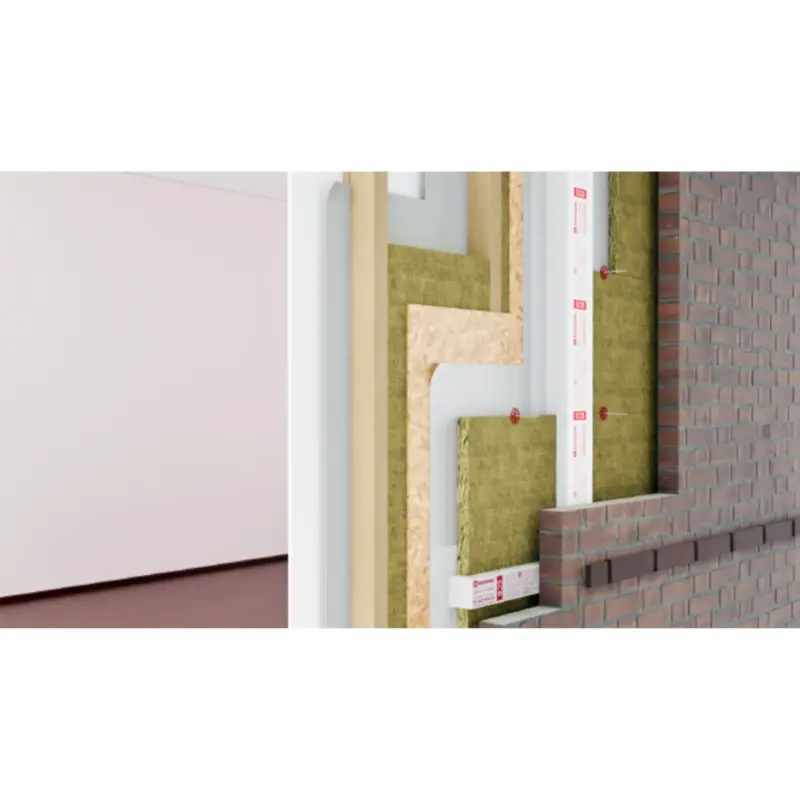
Cavity fire barriers
Insulation and fire safety must also be considered together.
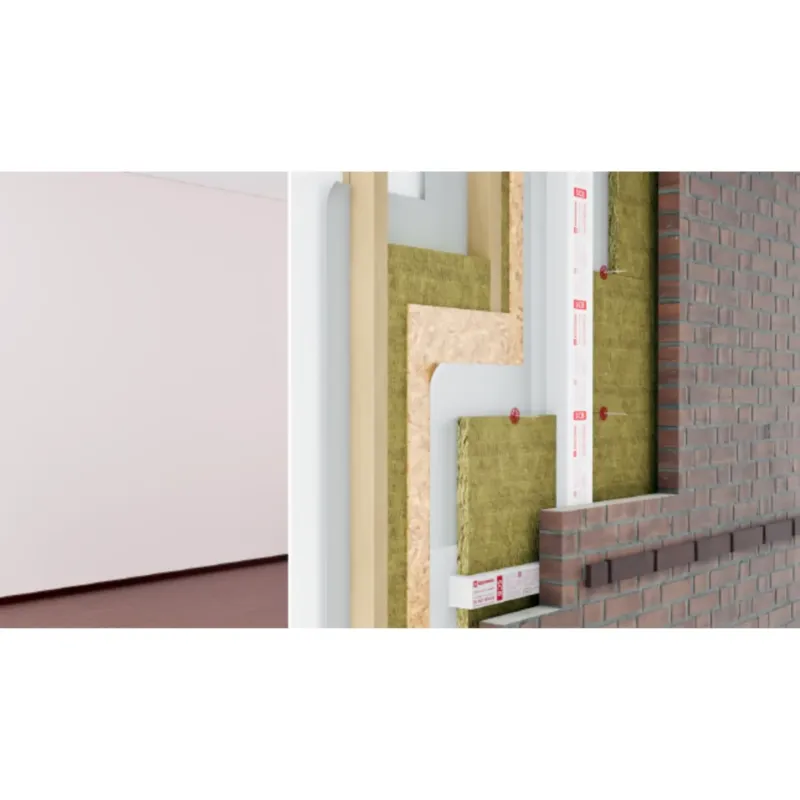
Rockwool SCB Sleeved Cavity Fire Barrier is a specialist cavity fire barrier product rather than a general-purpose insulation roll.
Fire barriers perform a specific function within the construction and must be positioned and installed according to the relevant design and installation requirements.
They should never be treated as interchangeable with ordinary cavity insulation.
Specialist detailing and insulation accessories
Even during larger projects, some insulation problems come down to small gaps and awkward interfaces.
Unilin Thin-R PIR Insulation Strip XT/STR can be used for appropriate specialist insulation detailing where strips of rigid insulation are required.
Expansion Foam Roll can also be useful within suitable construction details, depending on the application.
The important point is that these materials are part of a wider insulation strategy.
Good performance depends on maintaining a continuous thermal layer and carefully detailing airtightness throughout the construction.
Small accessories and infill products can help resolve specific junctions and gaps, but they should support the overall design rather than compensate for poor detailing elsewhere.
Which level does your project fall into?
A useful starting point is to ask how much of the building is already being opened.
If you are simply accessing the attic and adding insulation between joists, the work may be relatively straightforward.
If plasterboard, ceilings or internal walls are being removed, you may have the opportunity to improve insulation and acoustic performance while those areas are exposed.
If external walls are being rebuilt, an extension is being constructed, floors are being replaced or the roof structure is being substantially altered, then you are moving into major renovation or structural work.
This is usually the point where insulation should be treated as part of the complete construction specification rather than as a standalone product purchase.
Is thicker insulation always better?
Not necessarily.
Thickness is important, but it is only one factor.
Different insulation materials provide different levels of thermal resistance for a given thickness. The construction itself also matters.
A thinner PIR board may provide different thermal performance from the same thickness of mineral wool, while reflective insulation products operate differently again.
More importantly, poorly installed insulation can perform significantly below expectations.
A continuous insulation layer with carefully treated joints, corners and junctions can be more effective than a theoretically higher-performing product installed with gaps.
Can different types of insulation be used together?
Yes, and many building designs use more than one insulation material.
For example, rigid boards may be used in one part of a construction while flexible mineral wool is used elsewhere.
The key is ensuring that the combined build-up works properly in terms of thermal performance, moisture movement, ventilation, airtightness and fire safety.
Products should therefore be chosen as part of the complete wall, roof or floor system rather than simply layered together because additional insulation appears beneficial.
Think about the project before choosing the product
The best insulation material is not simply the product with the highest specification or greatest thickness.
The right choice depends first on the type of intervention.
For a straightforward attic upgrade, products such as Rockwool Attic Insulation, Rockwool Thermal Loft Insulation or Knauf Earthwool Insulation Loftroll 44 may be appropriate.
Where internal spaces are already being opened during refurbishment, Rockwool Flexi Insulation (Acoustic & Thermal) Mineral Wool, Metac Isover Acoustic & Thermal Insulation Roll, Sheep Wool Insulation or specialist solutions such as Spaceloft Aerogel Strip Insulation for Posts, Windows & Doors may come into consideration.
For extensive work involving walls, structural floors or roofs, products such as Unilin CavityTherm PIR Cavity Wall Insulation, Unilin XT/CW Thin-R Cavity Wall Insulation, Unilin XtroWall Plus PIR Cavity Wall Insulation 110mm, Unilin Thin-R XT/PR_UF Floor Insulation Boards 2.88m² and Unilin Thin-R FR/ALU PIR Flat Roof Insulation Boards belong within a much more substantial construction project.
Understanding that difference can help prevent unsuitable product choices and make it easier to plan insulation as part of the overall renovation, extension or refurbishment.
Need help choosing the right insulation?
Our range includes insulation for projects at very different levels of complexity, from accessible attic upgrades to major refurbishment, extensions and structural construction.
The most important first question is not simply “Which insulation is best?”
It is:
What part of the building are you insulating, and how much of the existing structure will be opened or rebuilt to do it properly?
Once that is clear, it becomes much easier to choose the right insulation material, thickness and system for the job.
If you are unsure which insulation is suitable for your project, our expert team can help you identify the most appropriate options based on the area you are insulating, the type of work involved and the requirements of your build.
Always check the project specification, applicable building requirements and the manufacturer's installation guidance before selecting or installing insulation, particularly for cavity walls, roofs, floors, fire barriers and areas where condensation or moisture control may be a concern.