Why insulation alone isn’t enough
As energy costs remain a concern for many households across Ireland, improving insulation is often the first step homeowners consider.
Loft rolls are topped up, walls are lined, and floors are upgraded, all with the expectation of a warmer, more efficient home.
Yet, despite these improvements, many people still experience draughts, cold spots, and higher-than-expected heating bills.
The reason is simple.
Insulation alone cannot prevent heat from escaping through gaps, cracks, and junctions.
Even a small gap at a window or attic hatch can undo the benefits of a thick loft roll—so it pays to be thorough.
The hidden problem: heat loss through air leakage
Insulation works by slowing down the transfer of heat, but it does not stop warm air from escaping through gaps and cracks in the building fabric.
In many older homes, particularly across Ireland, these gaps are more common than people realise.
Around attic hatches, window reveals, service penetrations, and junctions between materials, warm air can escape freely, bypassing insulation entirely.
This is why a home can be well insulated on paper but still feel cold in practice.
Quite simply, you cannot insulate a draught.
Many homeowners worry that improving airtightness will make a home feel stuffy or prevent fresh air from entering the home.
As airtightness specialist Fergal Flatley of Ecological Building Systems explains, modern homes are designed differently.
Rather than relying on uncontrolled draughts around windows, doors and junctions, modern homes use controlled ventilation systems to provide a steady supply of fresh, filtered air while retaining heat within the building envelope.
In other words, airtightness is not about eliminating ventilation.
It is about eliminating unwanted air leakage.
When combined with appropriate ventilation, an airtight home can be warmer, more comfortable and healthier than a draughty one.
Airtightness in renovation projects
As discussed with airtightness specialist Fergal Flatley, airtightness is no longer viewed as a feature reserved for new builds.
Whether you're constructing a new home or upgrading an existing property, reducing uncontrolled air leakage has become a key part of achieving energy efficiency and comfort.
Airtightness is often associated with new builds, where it is designed and tested from the outset.
However, it is just as relevant in renovation projects, and in many cases, the benefits are even more noticeable.
Older homes typically suffer the most uncontrolled air leakage, which means retrofitting airtightness upgrades often delivers immediate comfort improvements.
In an existing home, the goal is not to create a completely sealed building, but to reduce uncontrolled air leakage in the areas that matter most.
This can be achieved with relatively straightforward upgrades, particularly in the attic and around openings.
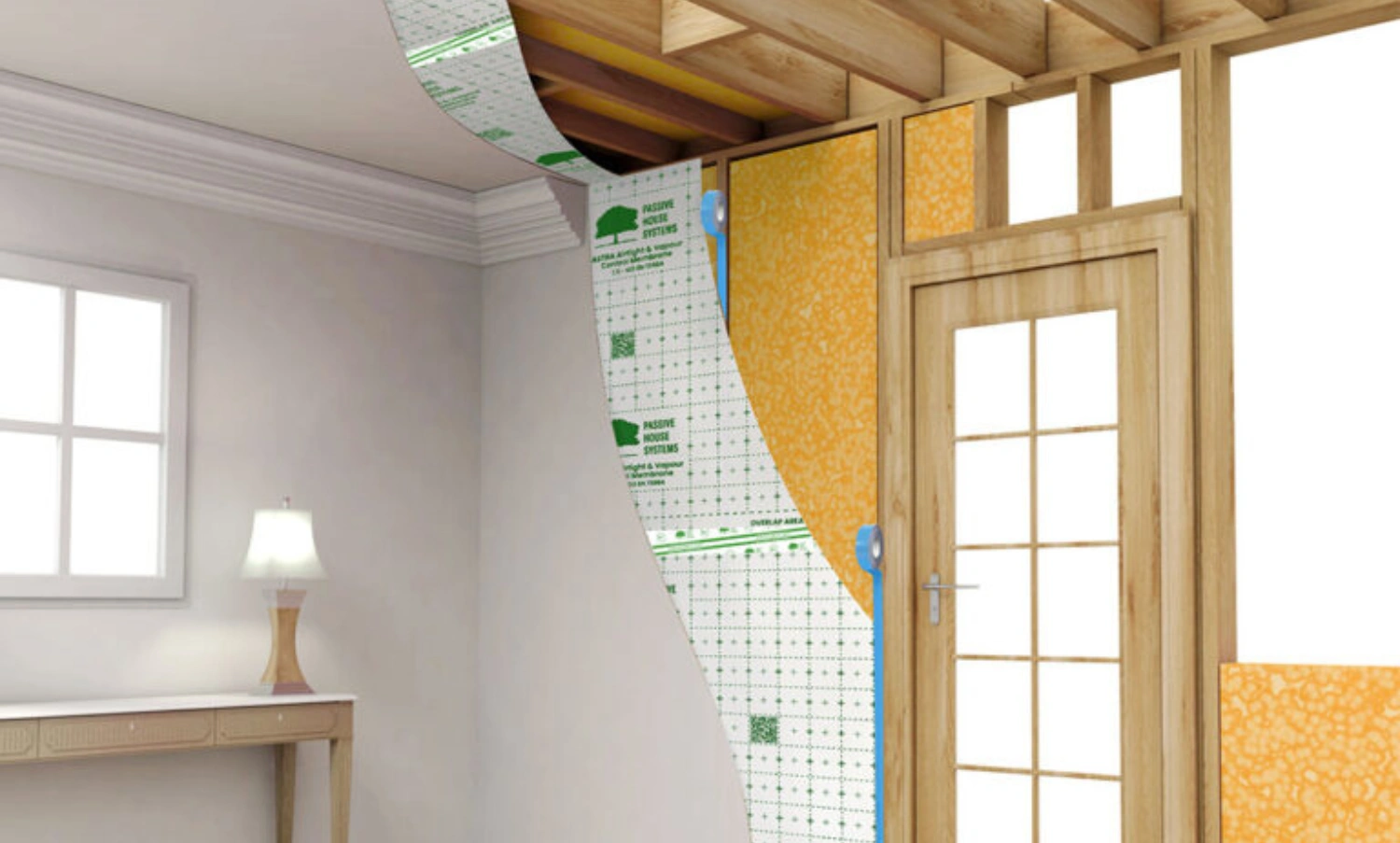
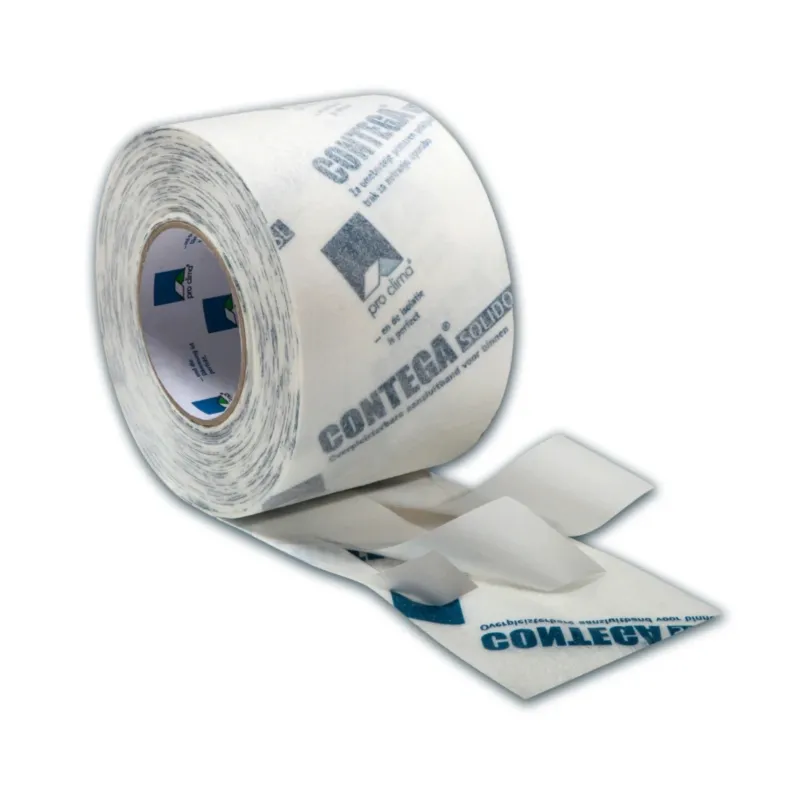
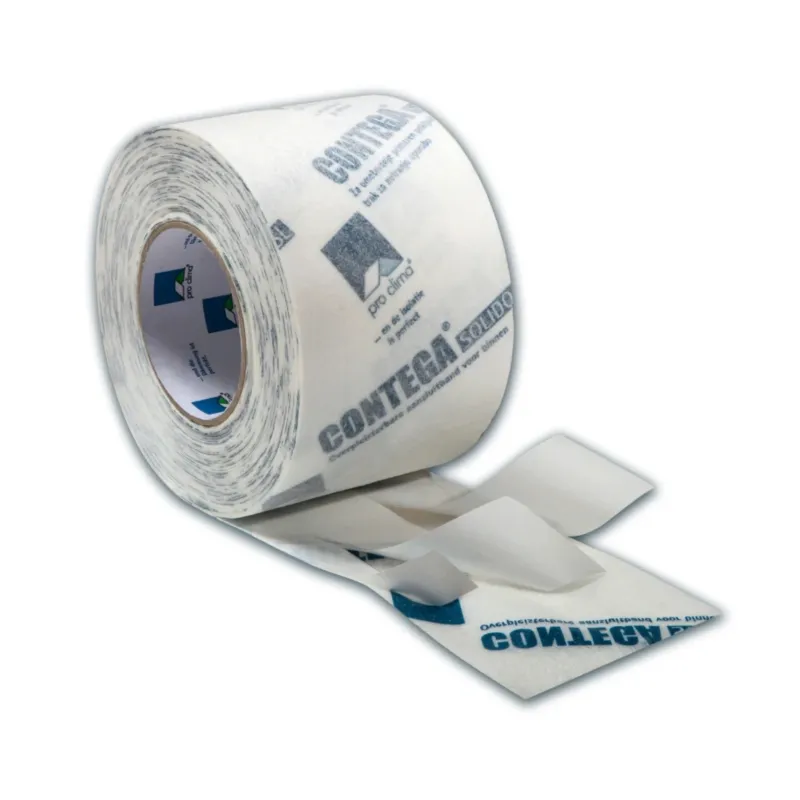
High-quality airtight membranes such as Air Tight Membrane - Gerband SD (75m²) or Air Tight Membrane - PHS Astra (75m²) can be used to create a continuous airtight layer in key areas of the building, while specialist sealing products like Air Tightness Tape for Doors & Windows Pro Clima Solido help close gaps around frames and junctions where draughts commonly occur.
Some advanced membranes are designed to act as intelligent vapour control layers, helping manage moisture movement within the building fabric.
Depending on seasonal conditions, these membranes can become more open or more resistant to vapour transfer, helping structures dry effectively while maintaining excellent airtightness performance.
This helps reduce the risk of interstitial condensation while improving overall building durability.
In tighter or more awkward spaces, where traditional insulation cannot be fitted effectively, materials such as Spaceloft Aerogel Strip Insulation for Posts, Windows & Doors offer a practical solution, delivering strong thermal performance without adding significant thickness.
One useful concept often used by airtightness professionals is the idea of maintaining a continuous airtight layer throughout the building.
This is sometimes described as the "red line rule"—if you could trace a single red line around the heated envelope of the home without lifting your pen, the airtight layer would remain continuous.
Every junction, penetration, service opening, attic hatch, window reveal and floor-to-wall connection should be considered as part of that continuous barrier.



How airtightness boosts insulation
One of the most important things to understand is that airtightness and insulation are not competing upgrades.
They work together.
Insulation slows heat loss, while airtightness prevents warm air from escaping in the first place.
When gaps are left untreated, heat simply moves around or through the insulation, reducing its effectiveness.
By addressing airtightness first, you allow insulation to perform as it should, improving both efficiency and comfort.
This is particularly important in attics, where a large proportion of heat loss occurs.
Even a well-insulated loft can underperform if there are gaps at the eaves, around pipework, or at the attic hatch.
Why insulation and airtightness must work together
During our discussion with airtightness expert Fergal Flatley, he used a simple analogy that perfectly illustrates the relationship between insulation and airtightness.
Imagine standing outside on a cold, windy day wearing only a thick woollen jumper.
While the jumper provides insulation, the wind still passes through it, making you feel cold.
Add a lightweight windproof jacket over the top, however, and the insulation suddenly performs far more effectively.
The same principle applies to a home.
Insulation slows heat transfer, while airtightness acts as the windproof layer that prevents warm air from escaping through gaps and cracks.
Without both elements working together, a significant portion of the benefit of insulation can be lost.
This is why many homeowners who increase insulation levels without addressing air leakage are often disappointed by the results.
The insulation is there, but uncontrolled air movement continues to undermine its performance.
Is professional installation required?
While professional installation can help achieve the best results, airtightness is one area of a project that many self-builders and competent DIYers successfully undertake themselves.
The materials are generally straightforward to install, and with careful planning, attention to detail and the correct tapes and sealing products, significant improvements can be achieved without specialist equipment.
The key is taking time to ensure continuity and properly sealing every overlap, junction and penetration.
This approach also mitigates the risk of condensation, which can occur if ventilation is neglected.
Properly applied, airtight membranes reduce moisture ingress, helping to prevent mould and damp issues rather than causing them.
Practical note: overlap membranes at junctions and seal with tape to maintain continuity—small errors here can lead to heat loss.
Tip: Airtightness is only as good as its weakest point.
Pay particular attention to membrane overlaps, service penetrations, attic hatches and window junctions, as even small gaps can compromise overall performance.
Upgrading insulation the right way
Once airtightness has been improved, insulation upgrades become far more effective.
In many homes, the attic remains the easiest and most impactful place to start.
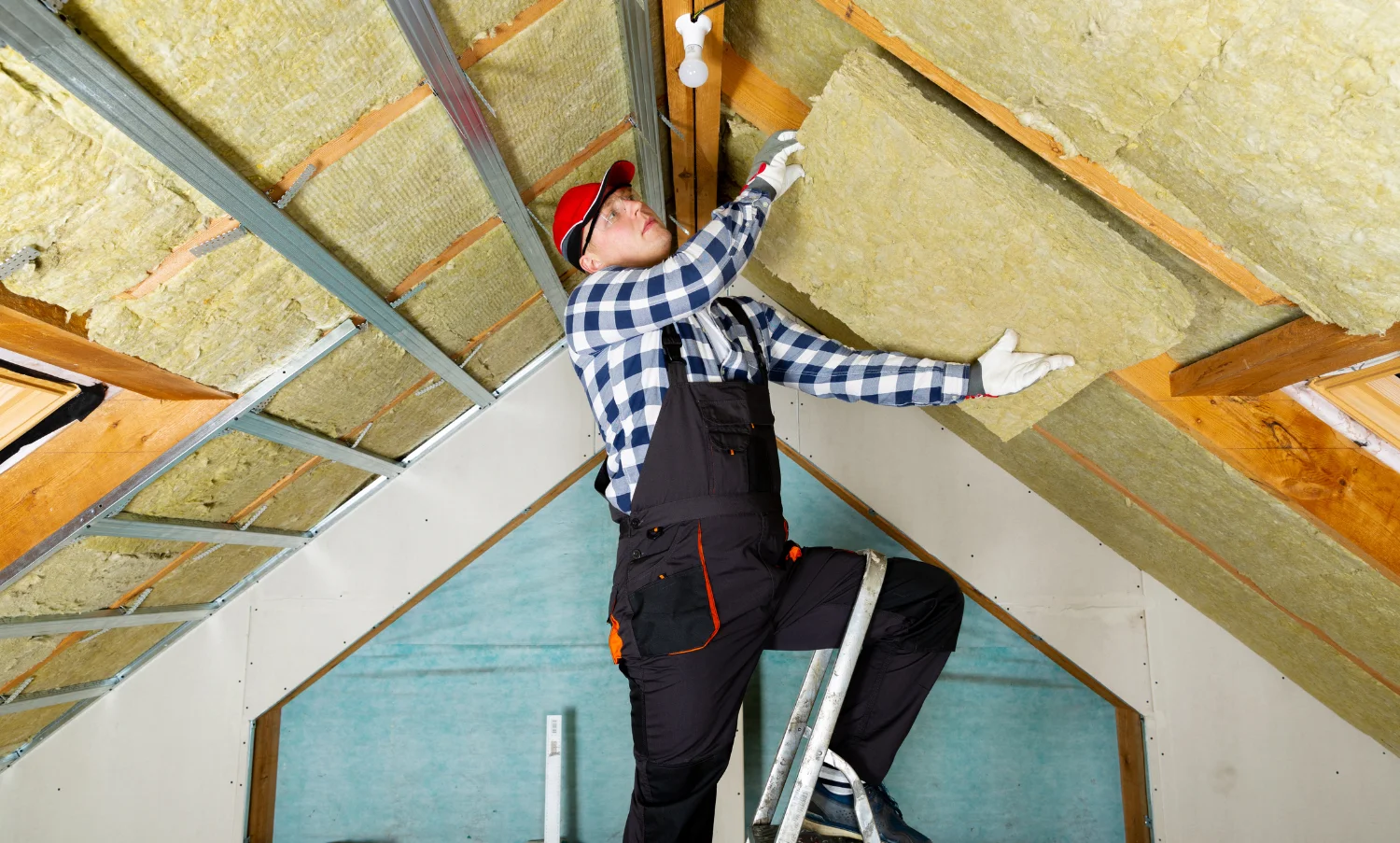
For attic insulation, products such as Knauf Earthwool Insulation Loftrolls are widely used to increase thermal performance at ceiling level.
These can be complemented by Loft Legs 12 Per Box 600mm Centres, which raise the storage platform above the insulation, preventing it from being compressed and maintaining its effectiveness over time.
For other areas of the home, materials like Metac Isover Acoustic & Thermal Insulation Roll and Rockwool Flexi Insulation (Acoustic & Thermal) Mineral Wool provide versatile solutions for walls, floors, and partitions, combining thermal and acoustic benefits.
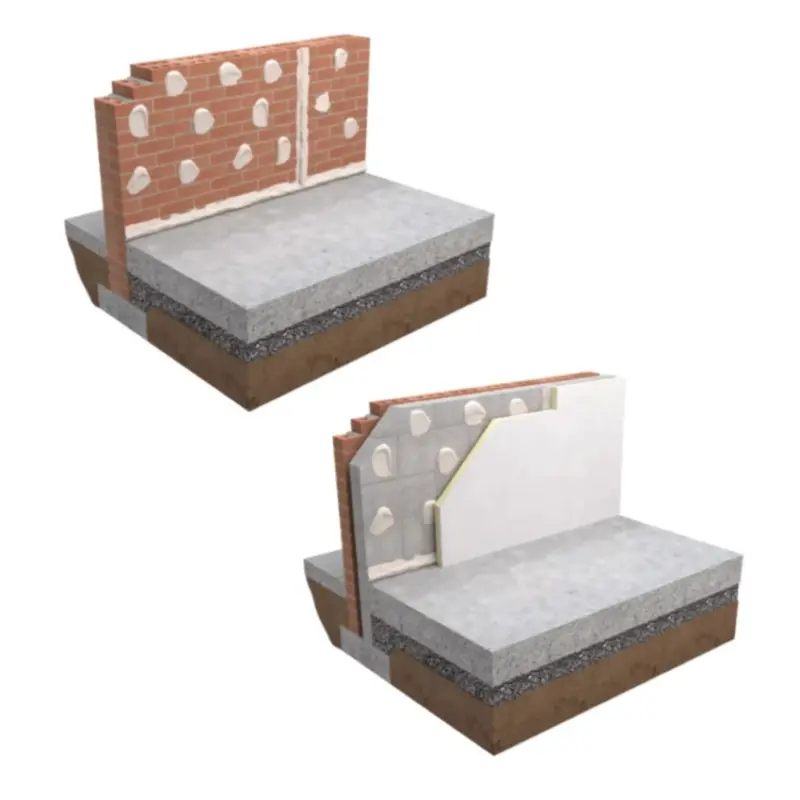
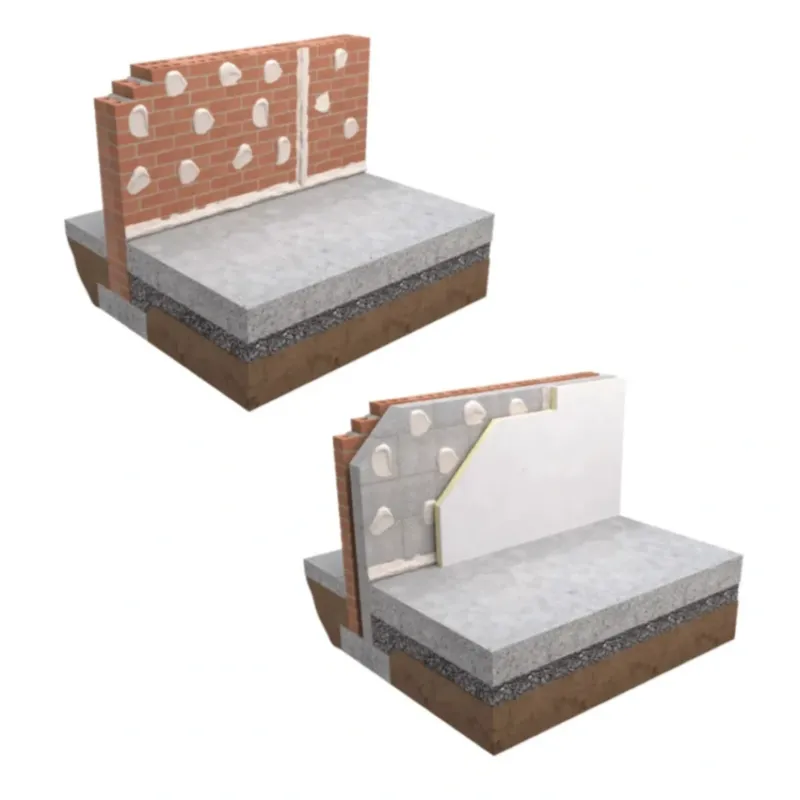
Where higher performance is required in a more controlled build-up, rigid options such as Unilin Floor Insulation Boards / Pitched Roof Insulation Boards 2.88m² or Insulated Plasterboard - Unilin PIR Thermal Liner Insulation can be introduced, helping to deliver strong insulation values without excessive thickness.
Tip: avoid compressing insulation under storage—this reduces its effectiveness by up to 30%.
In more challenging areas, where space is limited or detailing is complex, Spaceloft Aerogel Strip Insulation for Posts, Windows & Doors once again plays an important role, allowing these often-overlooked gaps to be properly addressed.
Tip: measure each gap carefully—Spaceloft works best when cut to fit snugly without compressing.


Making it practical and achievable
For those concerned about complexity, it is important to remember that you do not need to make your home completely airtight.
Targeting key areas such as attics, windows, doors, and service penetrations is usually sufficient.
Controlled ventilation should always be maintained to ensure a healthy indoor environment.
With careful planning and the right combination of materials the upgrade is practical, achievable, and delivers real results.
Why spring is the ideal time to upgrade
Spring offers a practical window for carrying out these improvements.
Conditions are generally more favourable, making attic work and sealing tasks easier to complete, and it allows homeowners to prepare well in advance of the colder months.
Tip: schedule attic work on dry days—moisture can compromise insulation installation.
As Fergal Flatley highlighted during our discussion, modern energy-efficient homes rely on a combination of insulation, airtightness and controlled ventilation working together as a complete system.
Focusing on just one element often limits the benefits of the others.
By addressing both airtightness and insulation now, homeowners can create a warmer, more comfortable and more energy-efficient home while reducing unnecessary heat loss.
Whether you're undertaking a major renovation or simply upgrading your attic insulation, paying attention to airtightness can make a significant difference to the final result.
Our expert team is on hand to provide advice, guidance and support on choosing the right membranes, tapes, insulation products and accessories for your project, helping you achieve lasting comfort and energy savings.
Watch the full video below to see Fergal Flatley walk through the full airtightness system in detail.