How to fix a waterlogged garden in Ireland
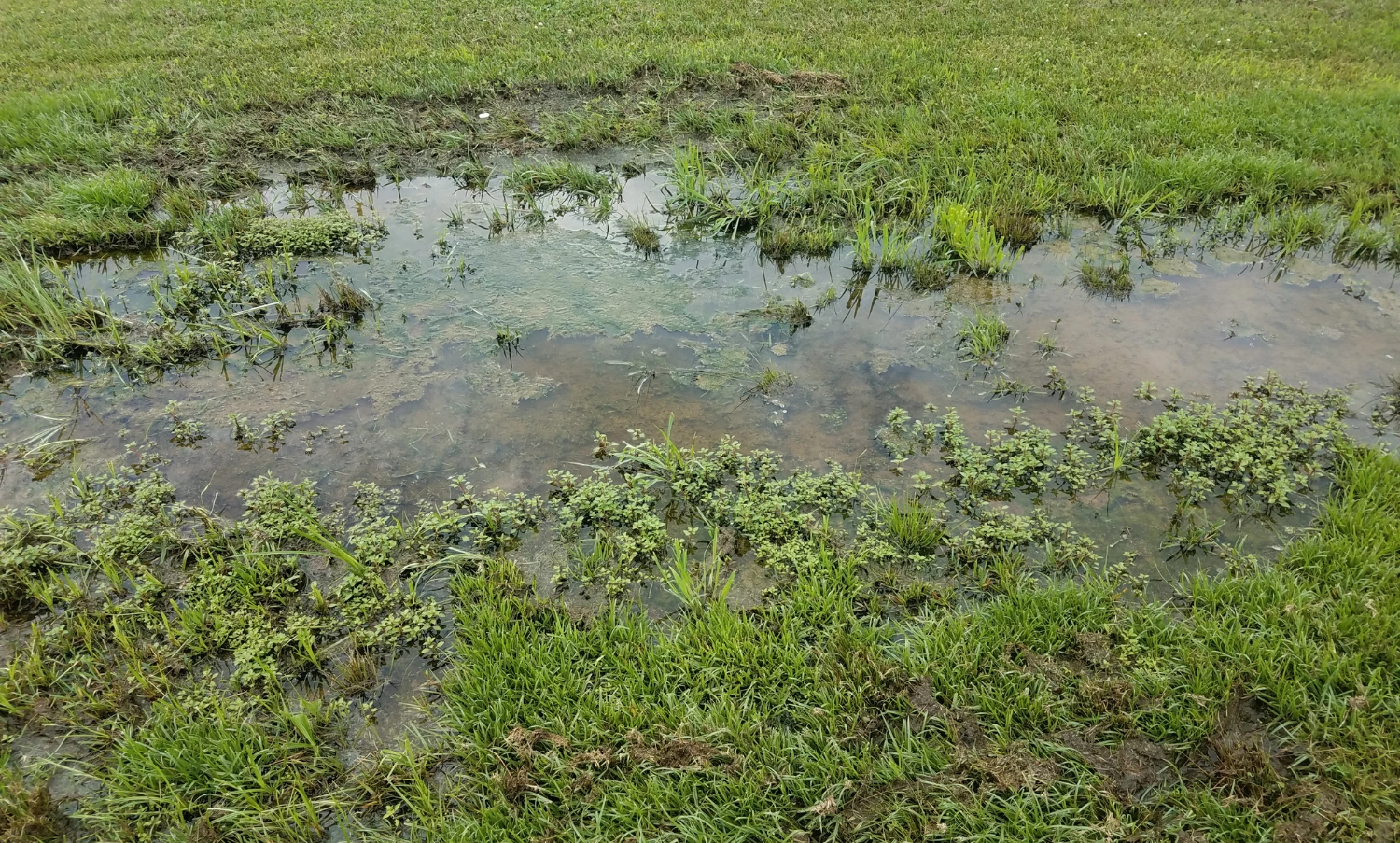
Waterlogged gardens are one of the most common outdoor problems faced by homeowners in Ireland.
After periods of heavy rain, lawns can become soft and muddy, patios begin to collect standing water, and gravel areas quickly lose stability.
While these issues can be frustrating, they rarely require a complete garden redesign.
In many cases, the right combination of ground preparation, surface drainage, and water management can transform a wet, unusable garden into a space that remains functional throughout the year.
Why Irish gardens struggle with drainage
Ireland's climate naturally creates drainage challenges.
Frequent rainfall means gardens often have little opportunity to dry out between wet spells, while heavy clay soils commonly found throughout the country tend to retain water rather than allowing it to drain freely.
Over time, regular foot traffic, gardening activity, and general use can also compact the soil, reducing its ability to absorb water.
Flat garden layouts and ageing drainage systems further contribute to the problem, allowing water to collect in low-lying areas instead of flowing away naturally.
When water has nowhere to go, the result is often muddy lawns, moss growth, sinking paving, unstable gravel surfaces, and damp areas that remain wet long after rainfall has stopped.
Improving drainage beneath the surface
Many drainage issues begin below ground level rather than on the surface itself.
Before installing channels or drainage systems, it is often worth examining the condition of the sub-base beneath patios, pathways, driveways, and other landscaped areas.
A well-prepared sub-base helps water disperse through the ground more effectively while providing long-term structural stability.
This reduces the likelihood of surface water build-up and helps prevent patios and pathways from sinking or becoming uneven over time.
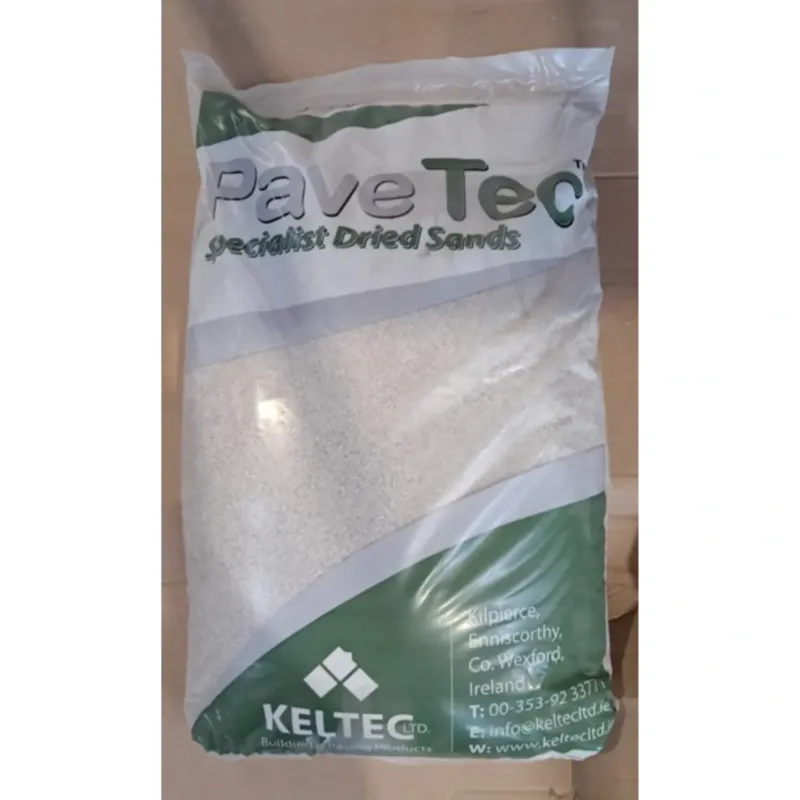
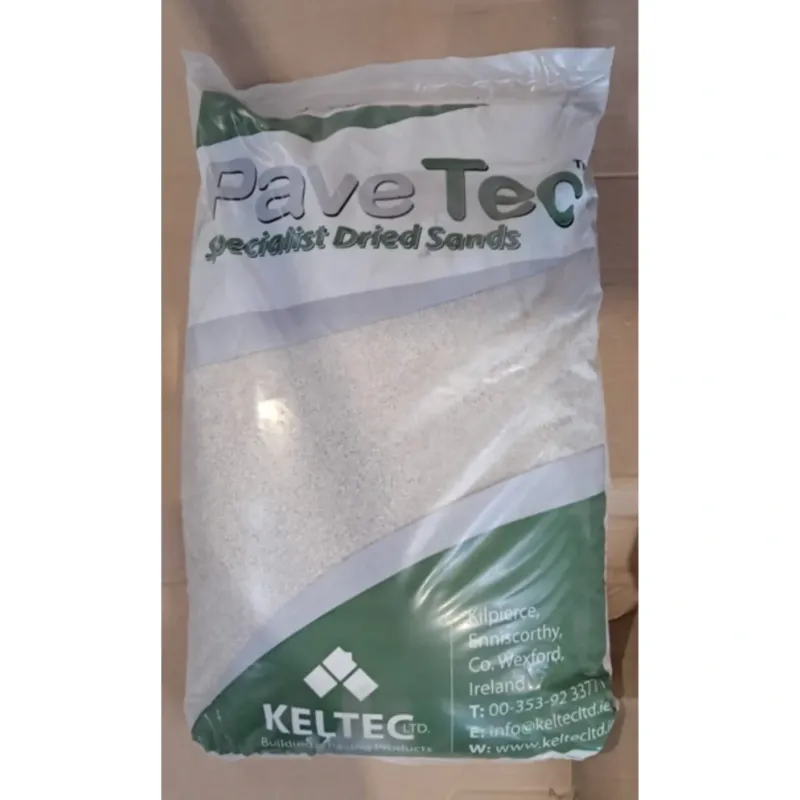
For most landscaping projects, 804 Stone provides a strong, compactable foundation that supports both stability and drainage.
Road Dust or Quarry Dust can then be used to level and bind the layers together, while a Gravel & Sand Mix offers a more permeable option for areas where faster drainage is required.
For bedding and precision levelling work, Silver Sand remains a useful finishing material.
Improving the ground beneath the surface is particularly effective where lawns remain waterlogged, gravel areas become muddy, or patios have started to settle unevenly.
In many cases, correcting these underlying conditions significantly reduces the need for more extensive drainage measures later.


Controlling surface water before it causes problems
When water begins pooling on patios, pathways, or driveways, surface drainage becomes essential.
Rather than allowing rainwater to collect and gradually saturate surrounding ground, drainage channels capture water at key locations and direct it safely away.
For most domestic applications, a Drainage Channel with Galvanised Grid provides a practical solution for patios and driveways.
Lighter pedestrian areas can often be served by an A15 Drainage Channel with Perforated Galvanised Grating, while driveways carrying vehicle traffic may benefit from a more robust Polymer Concrete B125 Drainage Channel.
Where appearance is a priority, products such as the DekDrain Slot Drain offer a more discreet finish, blending neatly into modern landscaping designs while still delivering effective drainage performance.
Drainage channels are particularly useful along patio edges, driveway entrances, sloping gardens, and low points where water naturally accumulates.
By intercepting water before it spreads, they help protect both the surface and the surrounding ground structure.
Alongside channels, drainage systems also rely on effective gully protection.
Gully grates allow water to enter the drainage system while preventing leaves, gravel, soil, and other debris from causing blockages further downstream.
Heavy-duty options such as the Ductile Iron Gully Grate 14" x 14" C250 are ideal for driveways and vehicle areas, while more compact versions can be used around residential drainage points where space is limited.
Together, channels and gully grates help maintain consistent water flow and reduce the risk of standing water, overflow, and future maintenance issues.


Managing roof water and directing it away
One of the most overlooked causes of garden flooding is water discharged from roofs.
When guttering systems overflow or downpipes release large volumes of water close to the property, surrounding ground quickly becomes saturated, creating problems that can spread throughout the garden.
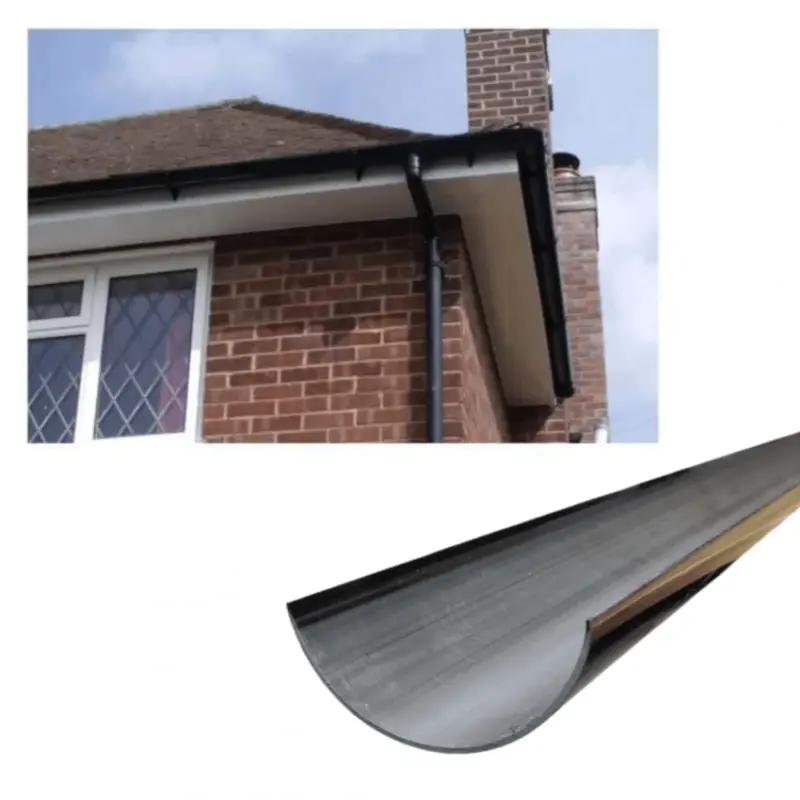
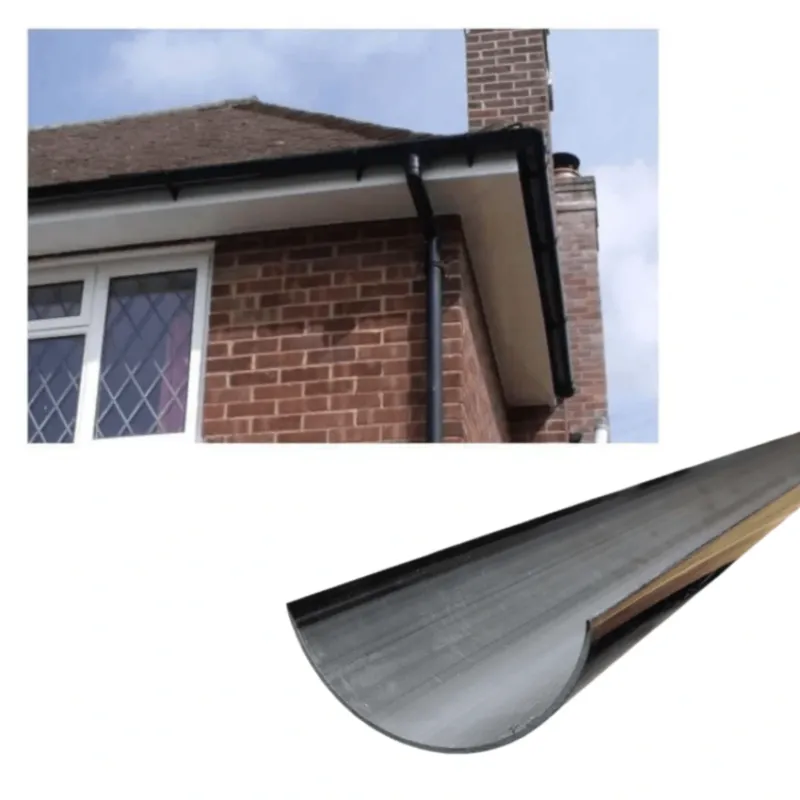
An effective guttering system helps manage water at its source.
Products such as Half Round Guttering and Krown Ogee Gutter Systems collect rainwater from roof surfaces and direct it towards downpipes, while Round or Square Downpipes carry that water safely to ground level.
Accessories such as Gutter Brushes can help reduce blockages caused by leaves and debris, ensuring reliable flow during periods of heavy rainfall.
Just as important as collecting water is ensuring it continues moving in the right direction.
Connectors, brackets, bends, and outlets all play a role in maintaining a secure and efficient drainage route.
Components such as Downpipe Connectors, Connector Sockets, Downpipe Brackets, and both 45° and 90° Bends allow water to be directed around obstacles and safely away from vulnerable areas.
Without proper water management, drainage problems are often simply moved from one location to another.
A well-designed system ensures roof water is collected, controlled, and discharged away from foundations, patios, lawns, and planting areas.



Using permeable landscaping to improve drainage
Not every drainage issue requires channels or underground systems.
In some parts of the garden, simply changing the surface material can make a noticeable difference.
Permeable landscaping materials allow rainwater to pass naturally through the surface instead of collecting on top.
Gravel surfaces are among the simplest and most effective solutions, helping to improve natural runoff while reducing standing water.
Decorative materials such as White Marble Decorative Chips offer similar drainage benefits while enhancing the overall appearance of borders, pathways, and planting areas.
These solutions work particularly well in lightly trafficked areas, narrow side passages, decorative borders, and low-lying sections of garden where occasional water build-up occurs.

Restoring the garden after drainage improvements
Once drainage issues have been addressed, some restoration work is often required to return the garden to its best condition.
Waterlogging can leave surfaces uneven, encourage algae growth, and cause lawn edges to lose definition.
Simple maintenance tools can help complete the project.
A Patio Wire Brush and Scraper is useful for removing algae, dirt, and residue from hard surfaces, while a Wire Rake helps level loose materials and tidy affected areas.
A Lawn Edger can also be used to redefine lawn boundaries and restore a cleaner, more structured appearance.
Although often overlooked, this final stage helps ensure that drainage improvements are reflected not only in performance but also in the overall appearance of the garden.


How to choose the right drainage solution
Choosing the right drainage solution depends entirely on the specific issue you are trying to solve, as different problems require different levels of intervention.
In many gardens, the issue is not caused by a single factor, but a combination of surface water, poor ground conditions, and ineffective runoff management.
Understanding where the water is coming from—and how it behaves once it reaches your garden—is the key to selecting the most effective solution.
Matching the problem to the solution
- Muddy lawn → In most cases, this points to poor ground structure and drainage at soil level. Improving the sub-base with materials such as 804 stone or a gravel mix can help stabilise the ground and allow better water dispersal.
- Puddling patio → Surface water is not being captured effectively. Installing drainage channels is usually the most efficient way to intercept and redirect water before it collects.
- Overflowing gutters → Roof water is being discharged too close to the property or not being managed effectively. Upgrading guttering and downpipe systems helps control the initial source of excess water.
- General wet garden → This typically requires a combined approach, using both surface drainage solutions and improved ground preparation to manage water at multiple levels.
- Driveway flooding → Heavier-duty systems are required here, with polymer or ductile iron drainage solutions designed to handle higher water volumes and vehicle loads.
Taking a combined approach
In most cases, the most effective long-term results come from combining several methods rather than relying on a single fix.
A well-designed system typically includes:
- controlled surface water capture
- improved ground preparation beneath key areas
- and a reliable method of directing water safely away from the property
By addressing all three layers together, you reduce the risk of recurring problems and create a more resilient drainage setup that performs consistently throughout the year.
Bringing your garden back into shape
Waterlogged gardens are rarely caused by a single issue.
More often, they result from a combination of poor runoff, compacted ground, inadequate drainage infrastructure, and surface water build-up over time.
By improving the sub-base beneath key areas, installing effective drainage channels, managing roof runoff, and using permeable landscaping materials where appropriate, it is possible to significantly reduce standing water and create a garden that remains usable throughout the year.
If you are unsure which solution is most suitable for your situation, our team is happy to help you select the right products and build a practical drainage system tailored to your garden's needs.