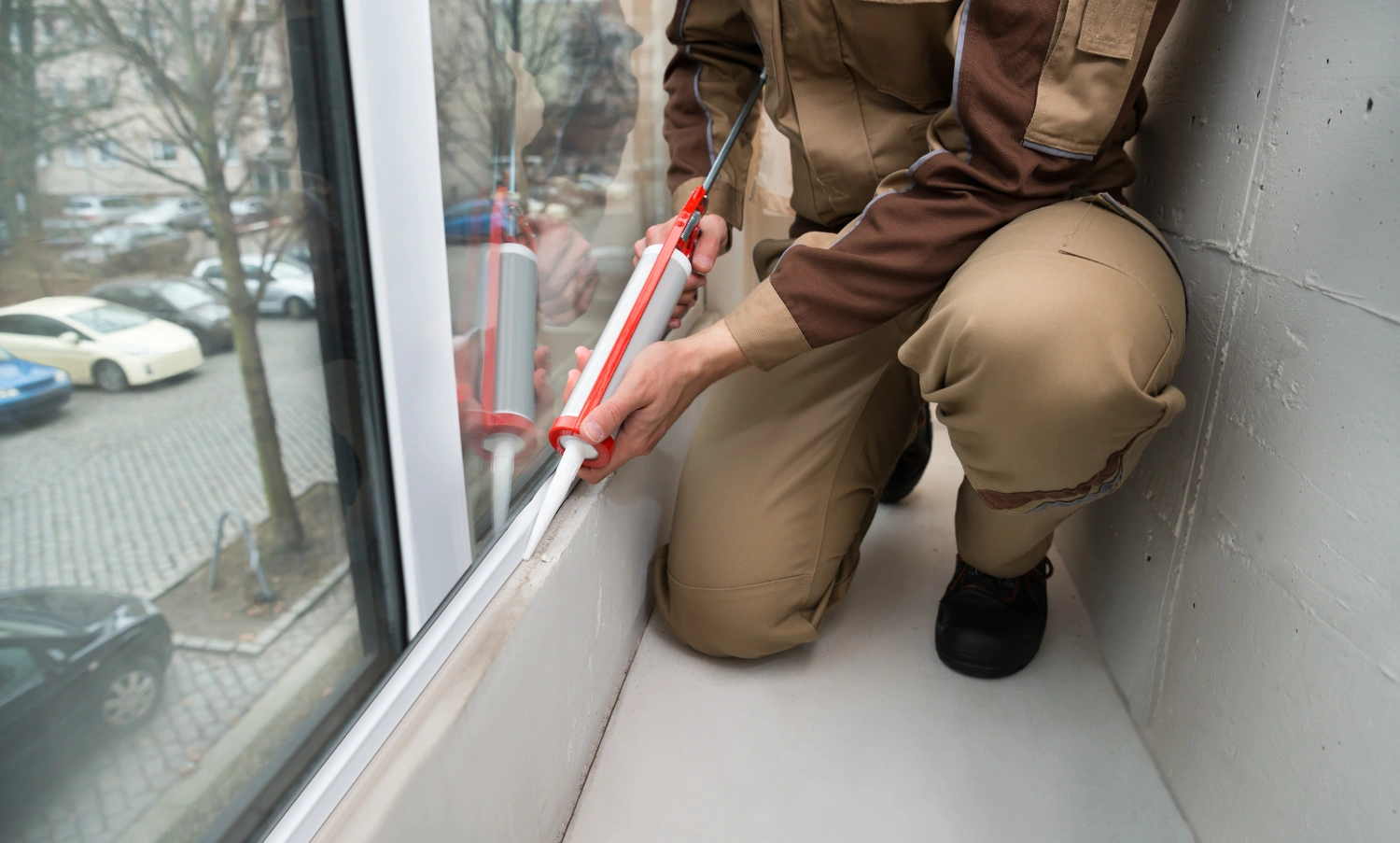
How to choose the right sealant for every DIY project (Ireland guide)
Whether you’re resealing a shower, repairing a leaking gutter, weatherproofing windows or carrying out general home maintenance, choosing the right sealant can make a significant difference to the durability of the repair.
While many products can look similar, using the wrong type can lead to leaks, cracking or joints that fail over time.
The good news is that it doesn’t need to be complicated.
Once you understand the main types of sealants and what each is designed to do, it becomes much easier to select the right product for the job.
In this guide, we’ll explain the key differences between traditional and hybrid sealants, before exploring the most suitable options for common DIY and home improvement tasks both inside and outside the home, helping you achieve a reliable, professional finish.
Sealants: Keeping out water and air
A sealant is designed to fill gaps and form a protective barrier against water, air, dust and moisture.
Unlike rigid adhesives, sealants remain flexible after curing, allowing them to move with natural expansion and contraction in building materials caused by temperature changes, humidity and everyday use.
This flexibility makes sealants ideal for areas where movement is expected, such as around baths, showers, sinks, windows and doors.
They are also essential outdoors, where they must cope with constant exposure to changing weather conditions.
Sealants are commonly used to:
• Prevent water ingress in bathrooms and kitchens
• Seal gaps around windows and doors for improved weatherproofing
• Fill expansion joints in masonry and concrete
• Protect exterior joints from rain, wind and UV exposure
• Provide neat, professional finishes around fixtures and fittings
If the main goal is to stop water, draughts or moisture while still allowing movement, a sealant is usually the most suitable choice.
Adhesives: A brief overview
Adhesives, by contrast, are designed to permanently bond materials together.
They are used where strength is the priority, such as fixing timber, panels, skirting boards and other construction or assembly tasks.
Some modern hybrid products combine sealing and bonding properties, offering both a strong hold and a degree of flexibility where needed.
If you’re focusing specifically on bonding applications, see our companion guide, How to choose the right adhesive for every DIY project (Ireland guide), where we cover the best options for wood, furniture, construction and decorative work.
Hybrid sealants: Combining sealing and bonding
Hybrid polymer sealants combine the key benefits of traditional sealants and adhesives in one product, delivering both strong bonding power and a flexible, waterproof seal.
This makes them a highly versatile option for both DIY and professional use.
Compared to standard silicones, hybrids typically offer strong adhesion to a wide range of materials without primers.
Many can be applied to slightly damp surfaces, used both indoors and outdoors, and are paintable once cured, making finishing work easier and more flexible.
Because they reduce the need for separate sealing and bonding products, hybrids are increasingly used for everyday construction and home repair tasks, including:
• Installing and sealing window and door frames
• Bonding and weatherproofing exterior trims
• Fixing bathroom and kitchen fittings
• Sealing joints exposed to rain and temperature changes
• General repairs requiring both strength and flexibility
While highly versatile, hybrid sealants are not always the best choice for every job.
In some cases, a specialist sealant or dedicated adhesive will still deliver better performance, so matching the product to the application remains essential.
Choosing the right sealant for different materials
One of the biggest causes of sealant failure isn't poor application, it's choosing a product that isn't compatible with the material being sealed.
While many sealants appear similar, different materials expand, contract and react differently over time.
Using the correct sealant helps ensure long-lasting adhesion, prevents staining or damage, and reduces the likelihood of premature failure.
The table below provides a quick guide to some of the most common materials found around the home.
|
Material |
Best Product(s) |
Typical Use |
|
uPVC windows and doors |
Excellent flexibility and weather resistance for exterior movement joints. |
|
|
Acrylic baths and shower trays |
Silirub LMN Silicone Sealant, Forever Anti Bacterial Sealant |
Flexible, waterproof and suitable for sensitive acrylic surfaces. |
|
Polycarbonate roofing sheets |
Low modulus neutral cure formulation allows movement without damaging the sheets. |
|
|
Glass |
Clear Fix Silicone, Tec7 XealPro Multi-Purpose Silicone Sealant |
Creates neat, transparent, waterproof joints with excellent adhesion. |
|
Aluminium frames |
Silirub LMN Silicone Sealant, CT1 TRIBRID® Sealant & Construction Adhesive |
Excellent adhesion with long-term weather resistance. |
|
Concrete and masonry |
Flexible enough to accommodate slight movement while preventing water ingress. |
|
|
Roof flashing |
CT1 TRIBRID® Sealant & Construction Adhesive, Tec 7 Adhesive |
Strong adhesion to multiple construction materials in exposed conditions. |
|
Kitchens and bathrooms |
Forever Anti Bacterial Sealant, Tec7 XealPro Multi-Purpose Silicone Sealant |
Waterproof, flexible and resistant to mould growth. |
|
High-temperature areas |
Designed specifically for elevated operating temperatures. |
Although one sealant may work on several different materials, selecting a product that's designed for the specific substrate generally produces the best long-term results.





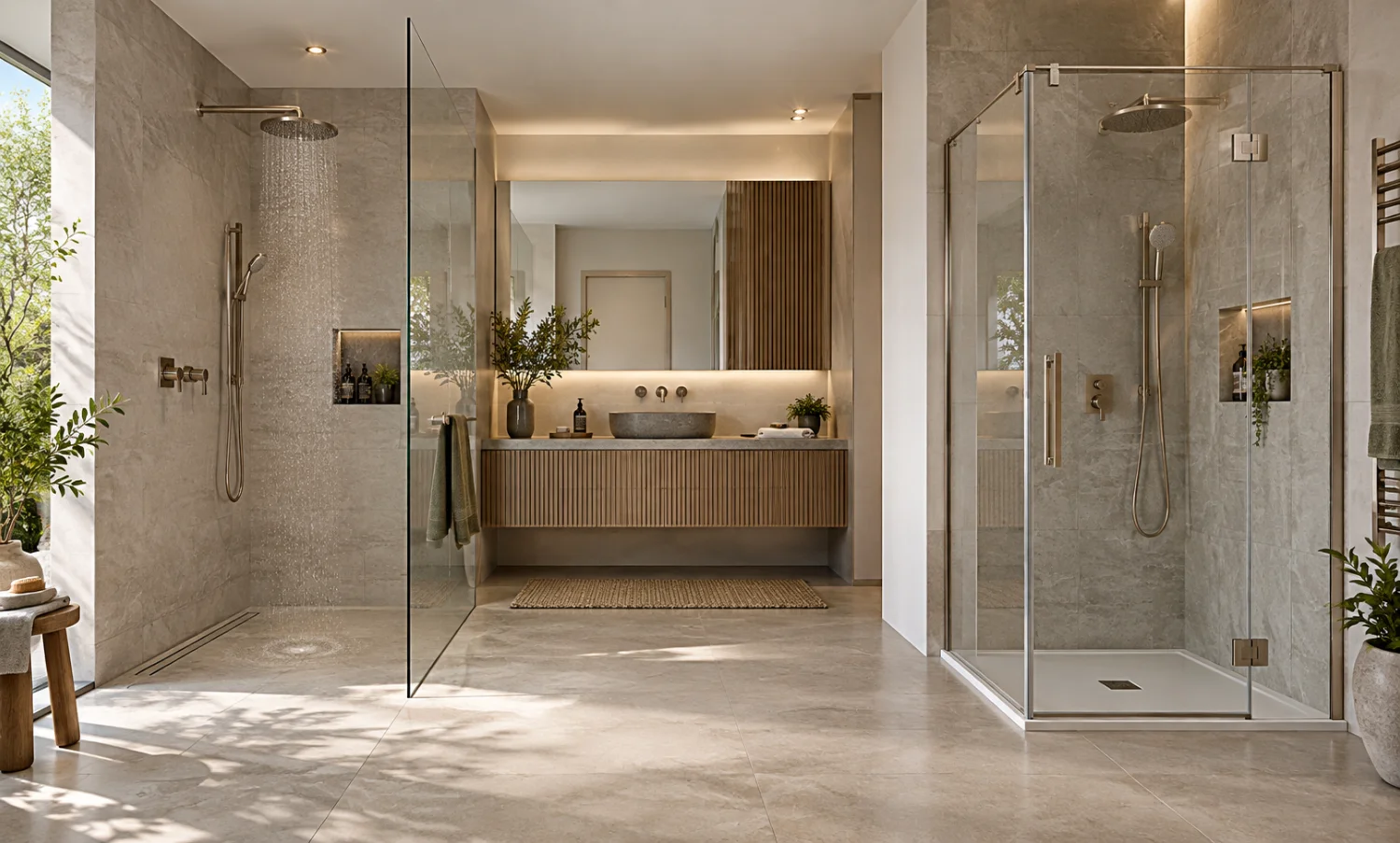
Which sealant should you use? Bathrooms and showers
Bathrooms are one of the most demanding environments for sealants due to constant exposure to water, steam and temperature changes.
The right product needs to stay waterproof, flexible and resistant to mould over time.
Mould resistance
One of the most common issues in bathrooms is black mould forming along silicone joints.
While no sealant is completely maintenance-free, anti-fungal formulations help slow mould growth and make cleaning easier, keeping joints looking fresher for longer.
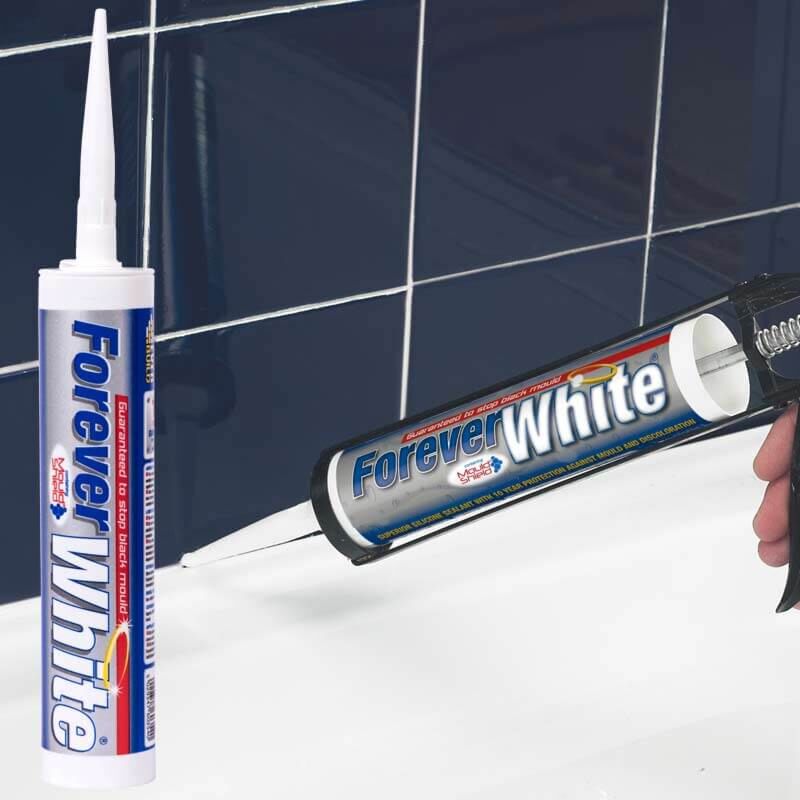
For high-moisture areas such as showers, baths and basins, Forever Anti Bacterial Sealant is a strong choice.
Its anti-bacterial and anti-fungal properties help reduce staining and mould build-up, making it particularly suitable for family bathrooms where hygiene is important.
Good ventilation also plays a key role.
Using an extractor fan, opening windows where possible and wiping away excess water after use will all help reduce moisture and extend the life of the seal.
Flexibility
Bathrooms are constantly moving environments.
Baths flex when filled, shower trays expand and contract with temperature changes, and buildings naturally shift over time.
A rigid sealant will eventually crack or lift under these conditions.
A flexible silicone sealant helps maintain a continuous waterproof seal despite this movement.
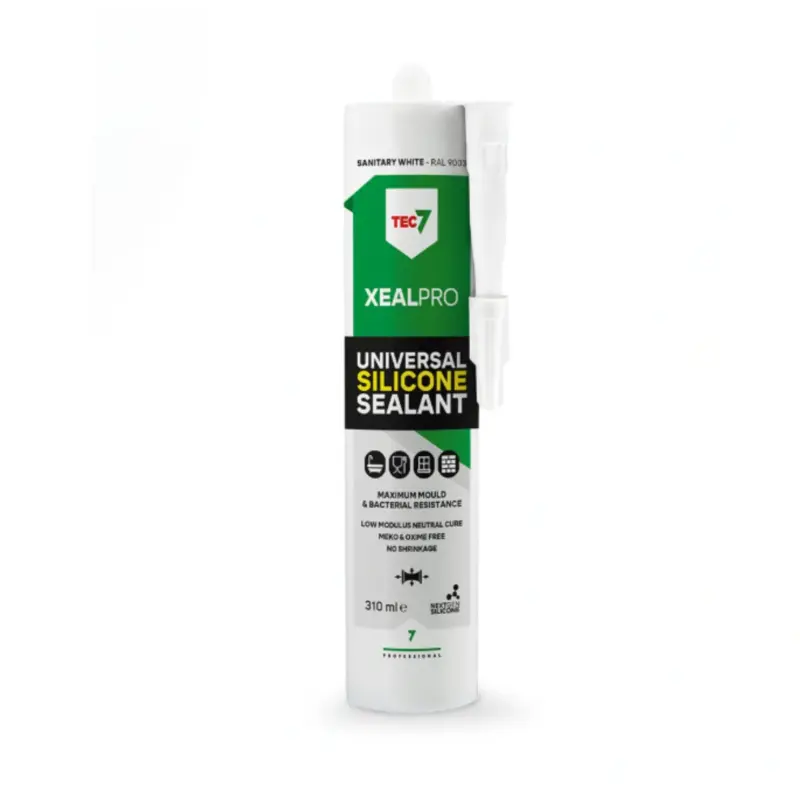
Tec7 XealPro Multi-Purpose Silicone Sealant performs well in these situations, offering long-term flexibility and reliable adhesion around sanitary fittings.
Silirub LMN Silicone Sealant is another dependable option, providing excellent elasticity for sealing baths, showers, sinks and tiled areas, while also delivering a neat, smooth finish.
Waterproofing
The main purpose of any bathroom sealant is to prevent water from penetrating behind tiles, sanitary ware and fittings.
Even small gaps can allow moisture to cause hidden damage over time.
Proper preparation is essential for long-lasting results.
Old sealant should be fully removed, surfaces cleaned thoroughly and allowed to dry before application.
This ensures maximum adhesion and a durable waterproof seal.
When correctly applied, Forever Anti Bacterial Sealant, Tec7 XealPro Multi-Purpose Silicone Sealant and Silirub LMN Silicone Sealant all provide strong waterproof protection while maintaining the flexibility needed for everyday bathroom movement.
How often should bathroom sealant be replaced?
There is no fixed replacement timeframe, as the lifespan of bathroom sealant depends on factors such as product quality, ventilation, cleaning routine and how heavily the bathroom is used.
In many homes, a professionally applied, high-quality silicone sealant can last anywhere from five to ten years.
However, age alone isn’t the best indicator.
Sealant should be inspected regularly and replaced as soon as signs of deterioration appear, such as cracking, gaps, peeling, loss of adhesion or mould that cannot be removed through normal cleaning.
Replacing it promptly helps prevent water ingress, damage to underlying surfaces and ongoing hygiene issues.
Kitchens
Kitchens place constant demands on sealants due to regular exposure to water, heat, food preparation and cleaning products.
Whether sealing around sinks, finishing worktops or installing splashbacks, the right sealant helps prevent water damage while maintaining a clean, professional appearance.
Unlike bathrooms, appearance is often just as important as performance.
Many kitchen applications require a neat, discreet finish that blends in with materials such as stainless steel, glass, quartz, granite and laminate.
Sealing around sinks
The joint between the sink and worktop is a critical area.
If it fails, water can seep underneath, leading to swelling, staining or damage to cabinetry below.
A flexible sealant is essential here to accommodate movement between materials.
Tec7 XealPro Multi-Purpose Silicone Sealant provides a durable, waterproof seal while maintaining the flexibility needed for everyday use.
Where a discreet finish is preferred, Clear Fix Silicone is ideal thanks to its transparent appearance, making it well suited to stainless steel sinks, glass elements and lighter worktops.
Sealing worktops
Worktop joints are exposed to spills, steam and daily wear, so they must be properly sealed to protect the substrate.
Flexibility is also important to prevent cracking or separation over time.
Where both bonding and sealing are required, Fix All Crystal Sealant Adhesive offers a practical all-in-one solution.
Its clear finish makes it ideal for modern kitchens where visible seal lines are undesirable, while still providing strong adhesion and waterproof protection.
Splashbacks and decorative features
Glass, acrylic and tiled splashbacks require a neat, unobtrusive finish that doesn’t detract from the design.
Transparent sealants are often preferred for this reason.
Both Fix All Crystal Sealant Adhesive and Clear Fix Silicone create clean, discreet seals that work well with glass and smooth surfaces.
For areas where flexibility is more important, Tec7 XealPro Multi-Purpose Silicone Sealant provides reliable long-term performance around kitchen junctions and fittings.
As with bathrooms, kitchen sealants should be checked regularly rather than replaced on a fixed schedule.
Any signs of gaps, peeling, cracking or moisture ingress should be addressed promptly to prevent more serious damage and maintain a clean, hygienic kitchen environment.

Windows and doors
Windows and doors are constantly exposed to the elements, so effective sealing is essential for protecting your home from Ireland’s changing and often unpredictable weather.
A good exterior sealant helps prevent water ingress, reduces draughts and supports overall energy efficiency, while also protecting the junction between frames and surrounding masonry from long-term wear.
Unlike interior applications, exterior sealants must perform year-round in challenging conditions, including heavy rain, temperature fluctuations and prolonged UV exposure, without losing adhesion or flexibility.
Weatherproofing
The main role of sealing around windows and doors is to create a durable weatherproof barrier.
Even small gaps can allow rain and cold air to enter, leading to damp issues, heat loss and potential damage to plaster, timber or internal finishes.
Weathermate Sealant is designed specifically for exterior use, offering strong adhesion and long-lasting resistance to wind and rain.
It forms a flexible seal that helps protect around window and door frames while maintaining performance in harsh weather conditions.
Allowing for natural movement
Buildings are constantly moving at a microscopic level.
Materials such as uPVC, aluminium, timber and masonry expand and contract with temperature changes throughout the year.
If a sealant cannot accommodate this movement, it may crack or detach, allowing water to penetrate.
Silirub LMN Silicone Sealant is well suited to these conditions, offering reliable flexibility and adhesion that helps maintain a continuous seal around windows, doors and other external joints where movement is expected.
Why low modulus neutral cure silicone matters
Not all silicone sealants cure in the same way.
One specification that's often overlooked is whether the silicone is low modulus neutral cure.
A low modulus silicone remains highly flexible after curing, allowing it to stretch and compress as building materials naturally expand and contract.
This makes it particularly suitable for joints around windows, doors, conservatories and other exterior applications where movement is expected.
A neutral cure silicone hardens without releasing acetic acid (the vinegar smell associated with many general-purpose silicones).
This makes it far more suitable for sensitive building materials that can sometimes be affected by traditional acetoxy cure silicones.
Low modulus neutral cure silicones are particularly recommended for:
- uPVC window and door frames
- Polycarbonate roofing sheets
- Acrylic baths and shower trays
- Aluminium frames
- Painted metals
- Exterior glazing
- Expansion joints
For these applications, Silirub LMN Silicone Sealant is specifically formulated as a low modulus neutral cure silicone, making it an excellent choice where long-term flexibility and material compatibility are important.
By comparison, general-purpose acetoxy silicones can sometimes be unsuitable for certain plastics, coated metals and specialist glazing systems.
Using the correct type of silicone helps avoid adhesion problems, premature failure and, in some cases, damage or discolouration to the surface being sealed.
Resistance to UV exposure
Exterior sealants are exposed not only to rain but also to prolonged sunlight and UV radiation, which can cause inferior products to harden, discolour or fail over time.
Choosing a UV-resistant sealant helps ensure long-term durability and a consistent finish.
Both Weathermate Sealant and Silirub LMN Silicone Sealant are formulated for demanding outdoor environments, providing weather-resistant performance that holds up well against seasonal changes and continuous exposure.
Even though exterior sealants are designed for long service life, they should still be checked as part of routine maintenance.
Any signs of cracking, shrinkage, gaps or detachment from the frame or wall should be addressed promptly to prevent water ingress.
A quick inspection after winter is often enough to catch early issues and help extend the life of windows, doors and surrounding structures.
Exterior repairs
Exterior repairs must withstand Ireland’s demanding climate, where constant rain, frost, wind and temperature changes place ongoing stress on joints and building materials.
Choosing the right sealant or adhesive is essential for achieving a durable, long-lasting repair.
Unlike interior applications, exterior products need both strong adhesion and long-term flexibility.
This allows them to move with natural expansion and contraction in building materials, helping to maintain a weather-resistant seal that prevents water ingress, damp and frost damage.
Gutters
Leaking gutters are common, particularly in older properties or after heavy rainfall.
Even small failures can lead to water running down external walls, causing staining, damp and potential structural damage over time.
Effective gutter repairs require a sealant that combines strong adhesion with flexibility, ensuring the joint remains watertight despite ongoing movement and temperature changes.
CT1 TRIBRID® Sealant & Construction Adhesive is well suited to this type of repair, delivering a strong, weatherproof bond that remains flexible in demanding outdoor conditions.
Sikaflex All in One Sealing & Bonding also provides reliable adhesion and long-term resistance to moisture and weather exposure.
Flashing
Roof flashing directs water away from vulnerable areas such as chimneys, roof junctions, skylights and wall connections.
Over time, movement in the roof structure and exposure to weather can cause joints to fail, allowing water to penetrate.
Repairs in these areas require products that bond securely to multiple building materials while maintaining flexibility to accommodate seasonal movement.
Both Tec 7 Adhesive and CT1 TRIBRID® Sealant & Construction Adhesive provide strong, weather-resistant adhesion, making them suitable for sealing and bonding flashing in exposed locations.
Concrete and masonry
Cracks in concrete and masonry may appear minor, but they can allow water ingress that leads to frost damage and progressive deterioration.
For sealing joints or carrying out small repairs, it is important to use products that combine strength with flexibility, preventing water entry while allowing slight structural movement.
Sikaflex All in One Sealing & Bonding is well suited to these applications, offering durable performance across a wide range of exterior surfaces.
Tec 7 Adhesive also provides a versatile option for general outdoor repairs where both bonding and sealing are required.
Expansion Joints
Expansion joints are designed to absorb movement in buildings, paths and concrete structures caused by temperature changes.
Because of this, they require permanently flexible sealants that will not crack or lose adhesion over time.
Rigid products are unsuitable, as they are likely to fail under movement and allow water ingress.
Weathermate Sealant is ideal for weatherproofing these joints, while CT1 TRIBRID® Sealant & Construction Adhesive offers a dual-purpose solution that combines strong bonding with flexible sealing performance.
As with all exterior repairs, proper preparation is essential.
Surfaces should be clean, stable and free from loose material before application, and regular inspections, especially after severe weather, can help identify issues early.
Roof repairs
A leaking roof should always be addressed quickly, as even minor water ingress can lead to damp, mould, insulation damage and costly structural issues.
Roof repairs may require either temporary or permanent solutions depending on conditions.
Temporary fixes are used to stop active leaks during wet weather, while permanent repairs restore long-term waterproof protection once conditions allow.
Understanding the difference between these approaches helps ensure the correct product is used, reducing the risk of recurring problems.
Temporary repairs
Emergency roof repairs are often needed when weather conditions prevent a permanent fix or when immediate action is required to stop water entering the property.
The goal is to quickly create a reliable waterproof barrier that protects the area until proper repairs can be carried out.
Temporary repair products should be fast to apply and effective in wet or difficult outdoor conditions.
Panabond Water Stop is designed for situations where stopping active leaks is the priority, providing a quick and effective seal against rainwater.
Roof Flashing Tape is another practical option for sealing damaged flashing, small splits and leaking joints, particularly around roof penetrations and vulnerable areas.
While highly effective in the short term, these solutions should be treated as temporary measures and followed up with proper roof repairs where needed.
Permanent waterproof repairs
Once conditions allow, more durable repairs should be carried out to restore long-term waterproof protection.
This may involve sealing cracks, repairing damaged details or reinforcing weak areas to prevent future leaks.
Liquid waterproofing systems are especially effective for creating seamless, flexible membranes over complex or uneven surfaces.
Once cured, they form a continuous waterproof barrier that resists ongoing exposure to rain and weathering.
Griffon Liquid Rubber HBS-200 is well suited to permanent roof repairs, forming a flexible waterproof coating across a wide range of roofing details.
For added strength, Griffon HBS-200 Tape can be used to bridge joints and reinforce vulnerable areas before applying the liquid system.
- Panabond Water Stop€8.95
-
-


Heat resistant jobs
Not all sealants are designed for high temperatures, and using standard silicone or construction products around heat sources can lead to failure, cracking or loss of adhesion.
In critical areas, this can affect both performance and safety.
Jobs involving stove flues, fireplaces and boiler systems often require specialist heat-resistant or fire-rated products.
It’s important to note that heat resistance (coping with high temperatures) is not the same as fire resistance (helping maintain fire integrity during exposure).
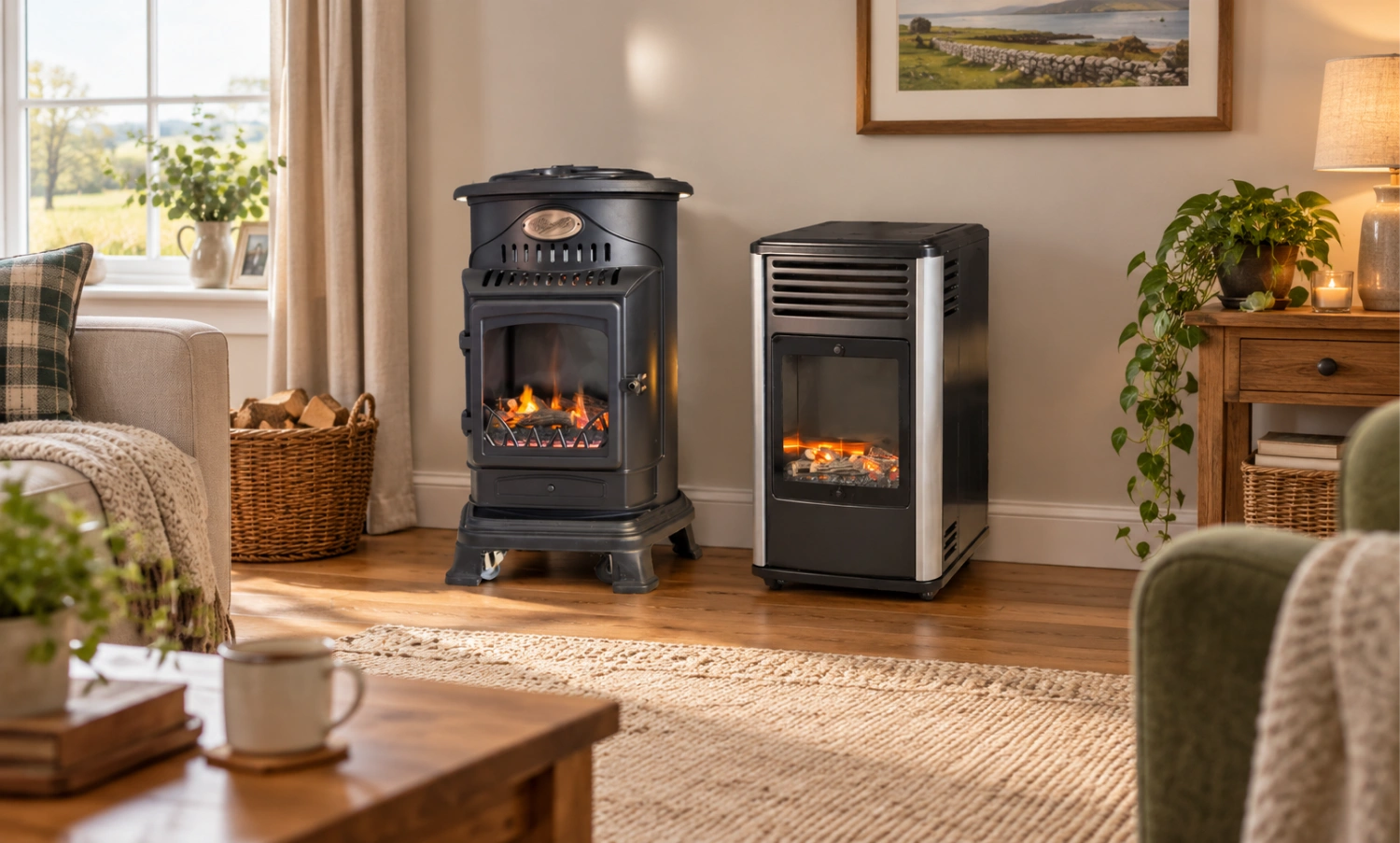
Stove Flues and Fireplaces
Wood-burning stoves, multi-fuel stoves, open fires and inset fireplaces all generate intense heat, particularly around flue pipes, joints and surrounding connections.
Any sealant used in these areas must be specifically formulated to withstand sustained high temperatures, as standard silicones can harden, crack or lose adhesion over time.
Arc Heat Resistant Silicone Black is designed for these demanding conditions, providing a durable, heat-resistant seal where conventional sealants would fail.
For flue pipe joints and heating system connections, Flue Sealant offers a specialist solution developed specifically for high-temperature applications.
Both products are suitable for sealing around stove flues and fireplaces, helping to maintain a reliable seal despite repeated heating and cooling cycles.
As with any heating appliance, always follow the manufacturer's installation instructions and ensure the chosen product is suitable for the intended application.
Boilers and fire-rated sealing
Boiler installations may involve both heat-exposed joints and fire-rated construction penetrations.
These require different solutions depending on the function of the seal.
Heat-resistant sealants are used where elevated temperatures are present, while fire-rated products are designed to maintain the fire integrity of walls and floors for a specified period.
Firemate Sealant is intended for fire-rated sealing around service penetrations, pipework and construction joints, rather than high-temperature areas such as flues or stove connections.
Choosing the correct product is essential for safety and compliance.
Always refer to manufacturer instructions and relevant building regulations if there is any uncertainty.

Common mistakes people make
Even the best sealant or adhesive can fail if it is used incorrectly.
Avoiding these common mistakes will help ensure a stronger, longer-lasting repair.
- Using bathroom silicone outdoors: Interior sealants are not designed to withstand prolonged exposure to rain, UV rays and changing temperatures. Always choose a product intended for exterior use.
- Applying sealant to dirty or damp surfaces: Most sealants and adhesives perform best on clean, dry surfaces. Dirt, grease and moisture can significantly reduce adhesion.
- Using a rigid adhesive where movement is expected: Areas such as expansion joints, windows and doors require products that remain flexible after curing.
- Ignoring curing times: Exposing a sealant or adhesive to water or heavy loads before it has fully cured can compromise its performance.
- Applying too much sealant: A neat, continuous bead is usually more effective than excessive application, while also producing a cleaner finish.
- Sealing over old silicone: New sealant will not bond properly to existing silicone. Removing all old material before resealing will result in a more durable, watertight finish.
- Using the same sealant on every material: Different materials require different sealant formulations. A product that performs well on ceramic tiles may not be the best choice for acrylic, polycarbonate or uPVC. Always check that the sealant is suitable for the material you're sealing.
- Choosing the wrong type of silicone: General-purpose silicone isn't always appropriate for exterior glazing, plastic materials or expansion joints. Where flexibility and compatibility are important, a low modulus neutral cure silicone is often the better option.
Sealant Quick Reference Guide
|
Job |
Recommended Product Type |
Recommended Products |
|
Bathroom & Shower |
Anti-mould silicone |
Forever Anti Bacterial Sealant, Tec7 XealPro Multi-Purpose Silicone Sealant, Silirub LMN Silicone Sealant |
|
Kitchen |
Flexible waterproof sealant |
Tec7 XealPro Multi-Purpose Silicone Sealant, Clear Fix Silicone, Fix All Crystal Sealant Adhesive |
|
Windows & Doors |
Weatherproof exterior sealant |
|
|
Roof Repairs |
Waterproof repair products |
Panabond Water Stop, Roof Flashing Tape, Griffon Liquid Rubber HBS-200, Griffon HBS-200 Tape |
|
Gutters |
Hybrid sealant |
CT1 TRIBRID® Sealant & Construction Adhesive, Sikaflex All in One Sealing & Bonding, Tec 7 Adhesive |
|
Expansion Joints |
Flexible exterior sealant |
Weathermate Sealant, CT1 TRIBRID® Sealant & Construction Adhesive |
|
Stove Flues |
Heat-resistant sealant |
|
|
Fire-Rated Joints |
Fire-rated sealant |
-
-
-
-
-
-
-
-
-
- Panabond Water Stop€8.95
Choosing the right product with confidence
There is no single sealant that is the right choice for every project.
The best option depends on the materials you're sealing, the conditions they'll be exposed to and whether waterproofing, flexibility or weather resistance is your priority.
By selecting the correct sealant and applying it properly, you can achieve longer-lasting repairs, protect your home from moisture and avoid unnecessary maintenance in the future.
If you're unsure which sealant is best for your project, our experienced team is always happy to help.
We can recommend the most suitable product for your application and answer any questions you may have, helping you complete your project with confidence.
-

-
 March 07, 2023
 -