How to renovate a traditional Irish cottage without losing its charm
There’s something undeniably magical about a traditional Irish cottage — thick stone walls, a low thatched roof, and the sense of history in every uneven floorboard.
These homes speak of another time, when buildings were made with local materials and built to last, full of character and warmth.
For many, owning one is not just a project — it’s a dream.
But turning that dream into a comfortable, energy-efficient home comes with its share of challenges.
These buildings weren’t designed with modern insulation, plumbing, or electrics in mind.
Moisture problems, cramped layouts, and planning constraints can quickly make renovation feel overwhelming.
And perhaps the biggest fear of all? Stripping away the very charm that made the cottage special in the first place.
This guide is here to help you strike the right balance — keeping the soul of your cottage intact while making it truly liveable for 21st-century life.
Whether you’re restoring a thatched roof, upgrading insulation without causing damp, or choosing finishes that suit the home’s heritage, you’ll find practical advice and product recommendations to guide your journey.
Because with care and the right approach, it is possible to modernise — without losing what matters most.
In this edition, we help you bring traditional Irish cottages up to modern standards — without compromising their character:
- Understand the structure — and its story
- Thatched roofs — restore or replace with respect
- Windows & doors — keep the character, improve the performance
- Flooring — keep the rustic charm or start fresh
- Heating for heritage homes
- Kitchens & bathrooms that fit the style
Why breathable materials and traditional methods matter when working with stone walls and lime mortar.
Preserve this iconic feature or choose sympathetic alternatives that honour your cottage’s heritage.
How to retain charm while sealing out draughts and discreetly upgrading comfort.
Maintain flagstone and timber where you can or choose materials that blend tradition with modern durability.
From solid fuel stoves to backup generators, find heating solutions that suit older buildings.
Design classic spaces that reflect period charm — without sacrificing function or comfort.
Each section includes real-world tips, product suggestions, and expert insights — all designed to help you modernise thoughtfully, and beautifully.
Let’s dive in:
-
Understand the structure — and its story
Before any meaningful renovation can begin, it’s essential to understand what makes a traditional Irish cottage so unique — and why modern approaches don’t always work in your favour.
Most cottages of this kind were built using solid stone walls with lime-based mortar.
These structures were designed to breathe — allowing moisture to pass through rather than becoming trapped.
Applying modern cement-based renders or acrylic paints might seem like a good upgrade, but they can seal in damp, leading to peeling finishes, internal mould, or even long-term structural issues.
Instead, use breathable materials that are sympathetic to the building’s original construction.
When repointing or rendering, choosing a natural hydraulic lime render helps maintain breathability and prevents moisture issues — a quality you’ll find in products like St Astier NHL 3.5.
It supports moisture movement and maintains the integrity of the stonework.
Where minor repairs are needed, Toupret masonry filler offers a smooth, breathable solution, and products like Monster Mesh reinforcement can help prevent cracking within lime-based systems.
-
Thatched roof – restore or replace with respect
Few features define a traditional Irish cottage quite like its roof — especially if it’s thatched.
Where the original material remains, even partially, restoration by a skilled thatcher can preserve the home’s rustic charm and historical value.
A well-maintained thatched roof insulates naturally and breathes with the building, making it worth saving where possible.
But in many rural cottages, the thatch may be too degraded or long gone.
In these cases, replacing it with care is key.
By using breathable felt, heritage-appropriate slate, and traditional fixings ensures your cottage roof performs well — and looks like it belongs:
Cedral Endurance Slate in Blue Black (also available in the same finish as Berona Extra Blue/Black) offers a sympathetic fibre cement alternative — lightweight, durable, and visually in keeping with Irish heritage homes.
For a more traditional slate option, Berona Slate – Extra Blue/Black and Berona Slate – Structured Graphite replicate the natural texture and colour variation typical of older cottages.
Beneath your new covering, a breathable underlay is essential. Fakro Eurotop N35 Breather Felt protects against wind-driven rain while allowing internal moisture to escape — ideal for solid-walled cottages that depend on breathability.
For higher performance, alternatives like Tyvek Supro Felt or Solitex Plus offer enhanced durability and moisture control — ideal where maximum breathability or weather resistance is required.
When installing into stonework, concrete screws provide a strong, long-lasting fix — offering improved grip and durability, especially in weathered or uneven masonry.
For prepping anchor points in aged stone or render, masonry drill bits ensure clean, controlled results and help preserve the integrity of the surface.
Important: Thatched roofs are not a DIY job. Always consult a conservation specialist or heritage roofer before removing or modifying thatch, especially on listed buildings.
In addition, obtaining the necessary permissions or licences from your local authority is essential before any work begins, as many traditional cottages fall under protected status or conservation regulations.
-
Windows and doors — keep the character, improve the performance
Original windows and doors are often key to a cottage’s unique charm — from deep-set sills and irregular openings to hand-forged iron latches or timber frames with centuries of wear.
But they’re also among the most common sources of draughts, damp, and energy loss.
The challenge is to retain character without compromising comfort.
That doesn’t mean replacing everything with modern uPVC.
In fact, where old timber frames are sound, they can often be repaired, re-sealed, and repainted using breathable paints like Frenchic Al Fresco Indoor or Outdoor Furniture Paint and quality wood fillers such as Multi Purpose Wood Filler or Wood Filler White 250g Douglas.
These allow the wood to breathe and expand naturally, helping prevent moisture build-up and rot while preserving the historic look.
To improve airtightness without harming the character, seal gaps carefully using breathable sealants or draught excluders — products like Orcon F Air Tight Sealant and Air Tightness Tape for Doors & Windows Pro Clima Solido are ideal.
They provide a strong but flexible barrier that reduces drafts and heat loss but still lets the building “breathe,” preventing trapped moisture.
If replacement is unavoidable, consider timber or timber-look alternatives that replicate traditional proportions — especially in protected areas.
Casement windows with slim glazing bars, cottage-style stable doors, and hardware in black wrought iron or aged brass can all honour the building’s original details while improving energy performance.
Secondary glazing can also be installed discreetly to boost insulation without altering the external appearance.
Simple upgrades like fitting draught excluders, applying perimeter seals, or adding secondary glazing can make a huge difference in winter comfort without disturbing the structure or appearance.
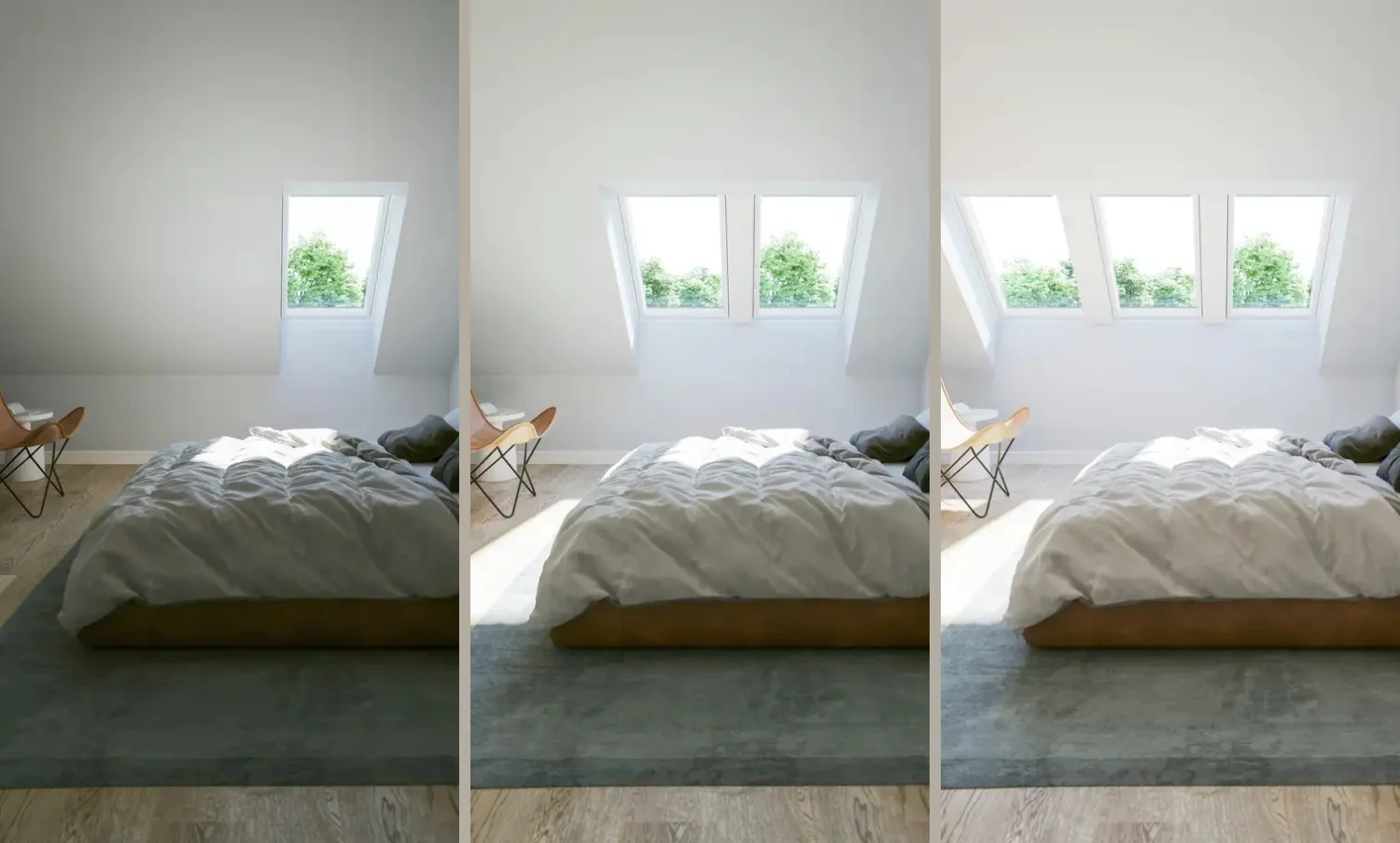
If additional daylight or ventilation is needed, consider sympathetic options like the VELUX GGL Centre Pivot Roof Windows — especially in modest sizes such as the 55x78cm (GGL CK02 2070) or 78x98cm (GGL MK04 2070) — which sit flush with slate roofing and blend well with traditional cottage aesthetics.
For slate installations, use VELUX EDL or EKL flashing kits to ensure a clean, weatherproof, heritage-appropriate finish.
Where adding roof windows isn’t suitable, VELUX Flexible Sun Tunnels for slate (e.g. TLF OK14 2010) offer a discreet way to introduce natural light into darker spaces — ideal for preserving original rooflines while improving interior comfort.
And remember: modern building materials aren’t off-limits — it’s about using them thoughtfully.
A heritage cottage doesn’t need to feel like a museum.
With care and the right products, its doors and windows can be both beautiful and practical, maintaining charm while improving comfort and energy efficiency.
-
Flooring: keep the rustic charm or start fresh?
When it comes to cottage flooring, preserving original materials like flagstone or timber helps maintain the home’s authentic character.
To protect stone floors, applying a stone sealer is essential — it guards against moisture and stains while allowing the surface to breathe naturally.
For outdoor areas such as patios or garden paths, Tobermore offers a stunning range of paving options that blend traditional style with durability.
Choose from Mayfair, Beaufort, Riven, or Historic Paving Flags for authentic textures, and finish edges or steps with Tobermore Secura Grand Coping Stones for a clean, well-integrated look.
Tip: If your cottage is a protected structure or in an Architectural Conservation Area (ACA), check with your local planning authority before laying new paving.
Certain materials, drainage impacts, or visible alterations may require approval — particularly in front gardens or sensitive settings.
If your original timber floors need repair, quality wood fillers can seamlessly fill cracks and gaps.
Follow up with protective coatings such as Sadolin Polyurethane Floor Varnish or Sadolin Extra Durable Polyurethane Varnish to refresh worn timber and enhance its longevity without compromising breathability.
For a fresh start, timber-effect tiles and engineered wood flooring offer the warmth and charm of natural timber but with enhanced performance and durability.
Installing these requires good-quality flooring adhesives, while underlay like Silent Plus Acoustic Underlay or Heatmaster 2mm Underlay provides additional warmth and sound insulation, improving overall comfort.
Finally, finishing touches: Ogee MDF Skirting & Architrave complement traditional interiors beautifully, giving your floors a polished, cohesive look.
-
Heating for heritage homes
Upgrading a cottage’s heating system means balancing traditional aesthetics with modern efficiency.
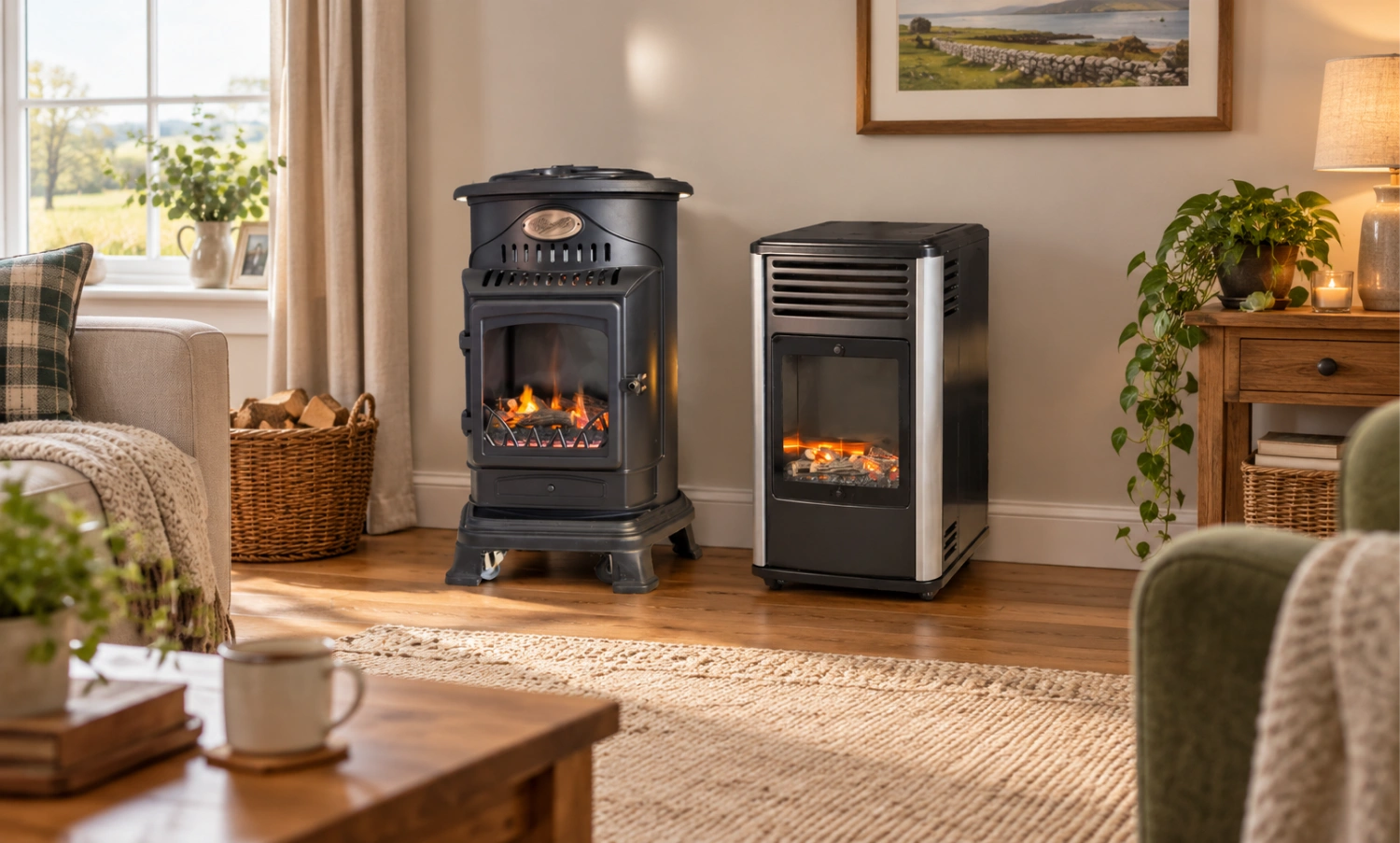
Solid fuel stoves remain a favourite — not just for their cosy radiant heat, but for how naturally they suit period interiors.
Models like the Henley Aran 5kW Eco Multi Fuel Stove, Stanley Oisin 6.4kW Eco Stove, or the larger Henley Sherwood 12kW Boiler Stove combine charm with reliable performance and clean-burn technology.
Oil boilers are often the most practical solution in rural or off-grid areas.
Low-profile units like the Grant Euroflame Boiler House Oil Boiler (15–26kW) and the Grant Vortex Utility Condensing Indoor Oil Boiler (15–36kW) offer discreet, high-efficiency options.
For outdoor installations, the Grant Vortex External Oil Boiler range and Grant Vortex Combi Oil Boilers (Indoor or Outdoor) deliver both space-saving and robust heat output.
These are ideal for retrofits where space inside is tight, or where flue positioning needs flexibility.
If you’re planning a deep retrofit with high levels of insulation and airtightness, it may also be worth exploring heat pumps — particularly with support available via SEAI grants.
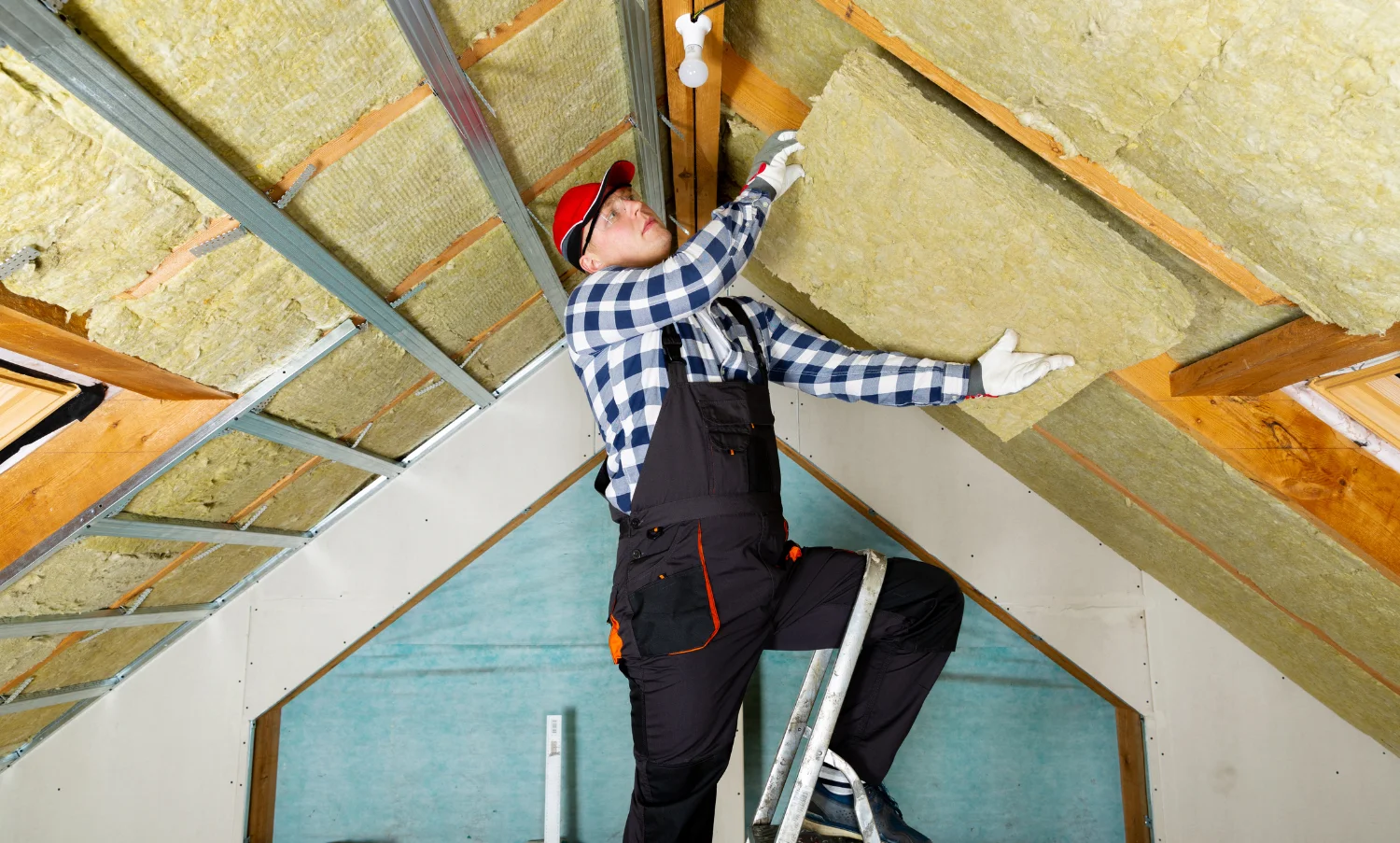
Just as important is choosing the right insulation: natural materials like SheepWool insulation offer excellent thermal performance while supporting breathability — a key requirement in traditional stone-walled buildings.
However, careful assessment is needed in older stone buildings, where breathability and moisture management take priority.
And finally, don’t forget the details.
Safe, efficient operation depends on the right supporting components — from multi-fuel flue liners and oil boiler flue kits to black granite hearths — all of which help ensure your heating setup is both functional and in keeping with the home’s character.
-
Kitchens & bathrooms that fit the style
When restoring or updating heritage homes, kitchens and bathrooms should reflect the timeless charm of the property.
Stick to natural textures and classic designs: shaker cabinetry, ceramic sinks, and freestanding baths are perfect for maintaining that authentic, cottage feel.
For kitchens, consider the elegant Jefferson Mussel solid ash door range.
Its natural wood finish and wide selection of accessories give you freedom to create a kitchen with real character, blending traditional style with your personal touch.
Alternatively, the Kensington Ivory kitchen offers a contemporary take on shaker, with a subtle sloped internal door profile and a durable PVC exterior that mimics natural woodgrain — a smart choice for both style and practicality.
Choosing the right finishes is equally important.
Choose finishes like brushed brass, matte black, or antique bronze for taps and fittings — the San Marco Florence Antique Bronze Kitchen Tap adds a touch of vintage elegance that complements heritage interiors beautifully.
Sinks play a central role both in style and function.
Classic ceramic options like the Sanindusa Lusitano Ceramic Sink or the traditional Belfast Sink Double Bowl combine durability with timeless style.
For a sleek alternative, the Pyramis Alazia Composite Granite Sink offers natural stone appearance with practical benefits like stain and scratch resistance.
Tip: To make the process seamless, we offer a full service from measuring your space to designing with our in-house Articad system.
We’ll work closely with you, making adjustments until your kitchen design feels just right.
Our expert fitters then bring your vision to life, typically completing installation within five days, and usually within 3 to 4 weeks from ordering.
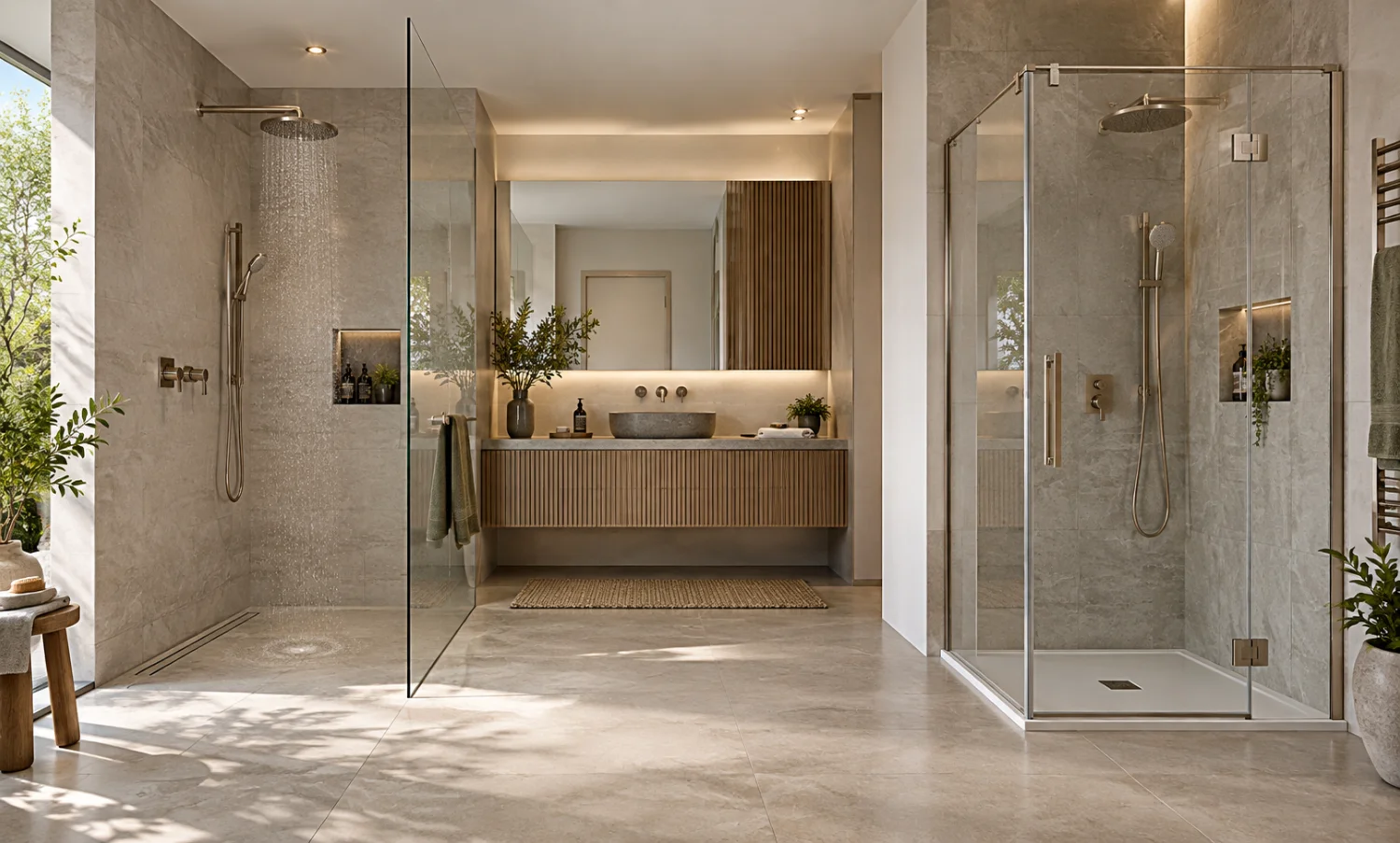
Now, turning to bathrooms, it’s important to avoid ultra-modern chrome fixtures that can clash with period aesthetics.
Freestanding baths create a stunning focal point in any bathroom renovation.
The Viceroy Traditional Free Standing Bath and Duchess Traditional Free Standing Bath echo classic Victorian shapes, offering comfort with period authenticity.
Finishing touches matter too: traditional toilet models such as the Cashel Low Level Toilet or Cashel Close Coupled Toilet, paired with soft-close seats like the Bemis 9300 Pine or Antique Pine Toilet Seat, maintain the heritage look while adding modern convenience.
By carefully selecting materials and finishes that complement heritage homes, you ensure that kitchens and bathrooms feel cohesive and respectful of the building’s history, while meeting today’s standards of comfort and functionality.
A timeless journey complete
Restoring or updating a heritage home is a rewarding journey that balances respect for tradition with modern comfort.
By choosing materials, products, and designs that honour the original character — whether in flooring, heating, kitchens, or bathrooms — you create a space that feels authentic, warm, and inviting for years to come.
At MyBuildingSupplies.ie, we understand the unique challenges and joys of working with heritage properties.
That’s why we offer expert advice, quality products, and kitchen full-service support to help you bring your vision to life effortlessly.
Whether you’re preserving original features or thoughtfully introducing new elements, our carefully curated range and experienced team are here to guide you every step of the way.
If you’re ready to start your heritage home renovation journey or simply want expert advice, get in touch with us today.
Your heritage home deserves nothing less than timeless style with lasting comfort.