
How to prepare your garden for spring in Ireland
After a long Irish winter, many gardens can appear tired, damp and visually stressed, even when there is no obvious structural damage.
Lawns may feel compacted underfoot, moss may begin to establish in moisture-rich areas, and planting beds can appear depleted of natural structure and nutrients.
Spring is the most important recovery period for your garden.
Early preparation helps restore soil health, improve drainage and encourage strong root development before the main growing season begins.
Rather than rushing into planting or feeding immediately, taking a structured approach to garden maintenance in March gives grass, plants and soil the best possible chance to recover naturally.
This guide explains the practical steps needed to repair winter damage, refresh your lawn and prepare your garden for healthier growth throughout the year.
Step 1: Clear, cut back and reset the garden properly
Before you begin feeding, planting or repairing any part of your garden, it is important to first reset the space and create a clean, healthy starting point.
Over the winter months, fallen leaves and natural debris tend to trap moisture on the surface, reducing airflow and encouraging the development of moss and disease.
In shaded or damp areas, this problem can become more pronounced as dead plant material accumulates and blocks much-needed light.
At the same time, a layer of lawn thatch often builds up between the soil and grass blades.
This spongy layer restricts water penetration, limits nutrient absorption and weakens overall grass health.
Winter rain and foot traffic can also compress the soil, reducing oxygen flow to roots and making it harder for new growth to establish itself.
Skipping this preparation stage and moving straight into feeding or seeding usually leads to disappointing results.
Without first clearing debris, improving airflow and relieving compaction, nutrients cannot reach the roots effectively and new grass seed struggles to germinate successfully.
Taking the time to reset the garden now will make every subsequent step far more effective.
What to do
1. Remove surface debris
Start by clearing leaves, twigs and windblown rubbish from lawns and borders.
This simple task improves airflow, allows more light to reach the soil surface and reduces the risk of damp-related disease developing during early spring.
A lightweight cordless leaf blower is extremely useful for larger gardens as it speeds up clearing without disturbing soil structure.
For smaller areas or tighter spaces, tools such as a patio wire brush and scraper help lift compacted dirt and surface grime from hard landscaping.
2. Cut back dead perennial growth
Winter often leaves borders looking untidy with old stems and spent growth still in place.
Using sharp specialty garden hand tools is important here because clean cuts help plants recover faster and reduce the risk of disease entering damaged stems.
Pruning should focus on cutting back to healthy growth points rather than removing too much living material.
Tools such as bypass secateurs, loppers and hedge shears are ideal for this work.
3. Rake out lawn thatch
Lawn thatch is the layer of dead grass, moss and organic material that sits between the soil and living grass blades.
If it becomes too thick, water and nutrients struggle to reach the root zone, which weakens overall lawn health.
A firm but careful raking helps break up this layer and restore airflow to the soil surface.
A wire rake, bow rake or similar metal-tined rake is particularly effective for lifting moss and thatch without damaging healthy grass roots.
In areas where the soil has become compacted, using a digging fork, manure fork or hay fork can help gently loosen the surface structure and improve drainage.
Work slowly and avoid aggressive digging — the aim is to open the soil rather than turn it over completely.
4. Edge and define lawn borders
Clean edges make a garden look instantly more cared for.
Using a lawn edger, draw straight, controlled lines along paths, beds and driveways to stop grass creeping into planting areas.
This also makes future mowing and maintenance much easier.
5. Don’t rush the first mow — do it properly
If your lawn is beginning to show signs of active growth, the first cut of the season should be approached with care rather than rushed.
Always choose a dry day when the ground is firm enough to walk on without leaving deep impressions, as mowing on wet or soft soil can compact the ground and damage emerging grass shoots.
Set your mower blades to a higher cutting position and only remove the top third of the grass height during this initial cut.
Early-season grass is still recovering from winter stress, and cutting too low, often referred to as scalping, can weaken the lawn, expose soil to weeds and slow healthy regrowth.
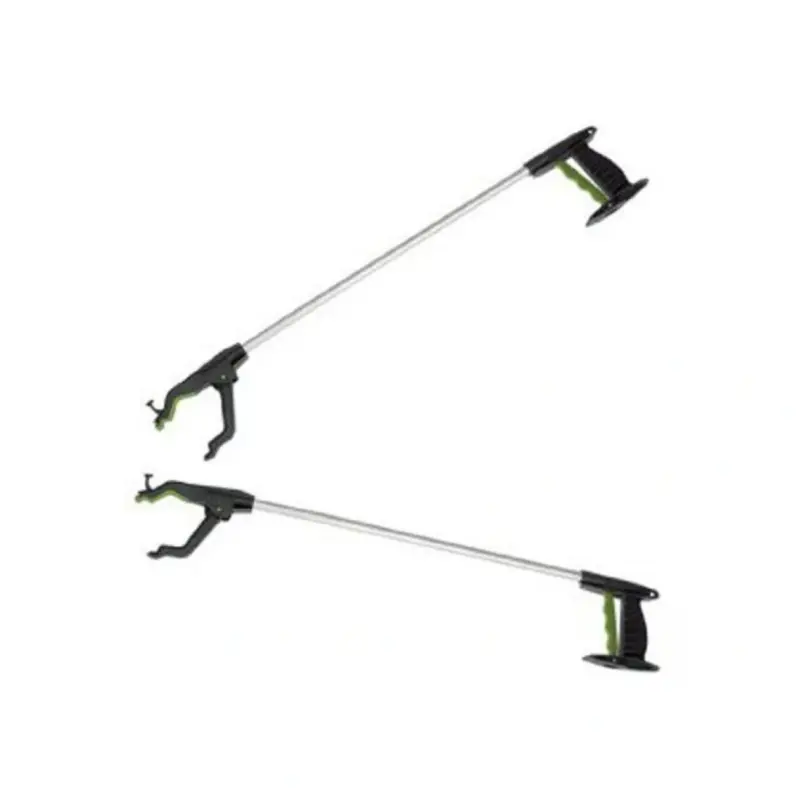
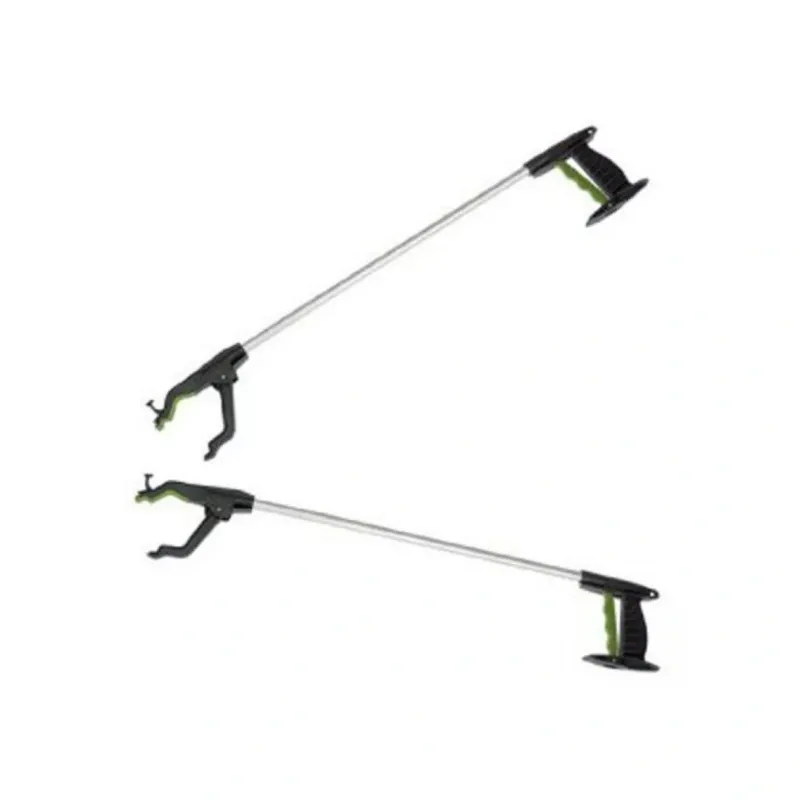
Using reliable garden tools can make this stage much easier.
Quality digging tools and edging tools help keep borders neat and reduce unnecessary strain on soil structure and root systems, allowing the lawn to recover smoothly as the growing season progresses.




Step 2: Diagnose and repair winter lawn damage
Irish lawns are particularly vulnerable to winter weather conditions, and by early spring many gardens show signs of stress caused by prolonged dampness and reduced sunlight.
Common issues include moss invasion, which thrives in moist environments, bare patches caused by frost damage or heavy foot traffic, soil compaction from persistent rain, and general nutrient depletion after months of limited growth.
Before applying new grass seed or fertiliser, it is important to take time to assess the condition of the lawn and identify the underlying problems rather than rushing straight into treatment.
Treat moss and lawn weeds correctly
Moss tends to develop in areas where growing conditions favour moisture retention rather than healthy grass growth.
It is most commonly found in soil that is naturally acidic, heavily shaded, compacted by rain or foot traffic, or suffering from poor drainage.
Applying a suitable grass and weed treatment designed specifically for lawn use can help control moss without damaging the surrounding grass.
These products work by weakening moss growth while allowing existing grass to remain healthy.
Once treatment has been applied, it is important to wait until the moss turns black before attempting to remove it.
Raking moss too early can spread spores across the lawn, which may lead to further infestation.
When the moss has fully weakened, use a rake to remove it thoroughly.
After moss removal, many gardeners notice that the grass appears thinner than expected.
This is normal because moss often hides the true condition of the lawn surface.
At this stage, reseeding is usually necessary to restore density and improve overall lawn health for the coming season.
Relieve compaction before seeding
Prolonged rainfall is a common feature of the Irish climate, and heavy winter rain can compress soil particles over time, squeezing out the oxygen that grass roots need to grow properly.
When soil becomes compacted, root development slows, water drainage is reduced and new grass seed struggles to establish itself.
To improve soil structure, use a garden fork to aerate the lawn by pushing the tines approximately 8–10cm into the ground.
Gently wiggle the fork once inserted to create small air channels without turning the soil over completely.
Pay particular attention to high-traffic areas such as paths, play zones or frequently walked sections of the garden.
Aeration helps improve drainage, restores oxygen flow to the root zone and supports better nutrient absorption as the growing season begins.
Skipping this step is one of the most common mistakes when repairing winter-damaged lawns because compacted soil can prevent even the best grass seed from germinating successfully.
Reseed bare and thin areas properly
Simply scattering grass seed across the lawn surface is rarely effective and often leads to patchy or uneven growth.
Successful reseeding requires a little preparation to ensure the seed makes proper contact with the soil.
Begin by gently loosening the top layer of soil in bare or thin areas using a rake or suitable hand tool.
Then apply a thin layer of compost or lawn dressing to improve nutrient availability and create a supportive growing environment for the new seed.
Spread grass seed evenly across the prepared area.
For larger lawns, using a lawn spreader helps achieve consistent coverage and reduces the risk of over-seeding, which can lead to overcrowded growth and weak root development.
After seeding, lightly rake the surface to cover the seed and firm the soil gently with your foot or the back of a rake to ensure good soil-to-seed contact.
Finally, keep the reseeded areas consistently moist by watering lightly and regularly.
The soil should remain damp but not waterlogged, as excess water can wash seeds away or promote fungal growth.
With proper care, new grass shoots should begin appearing within a few weeks depending on temperature and weather conditions.
Apply fertiliser at the right time
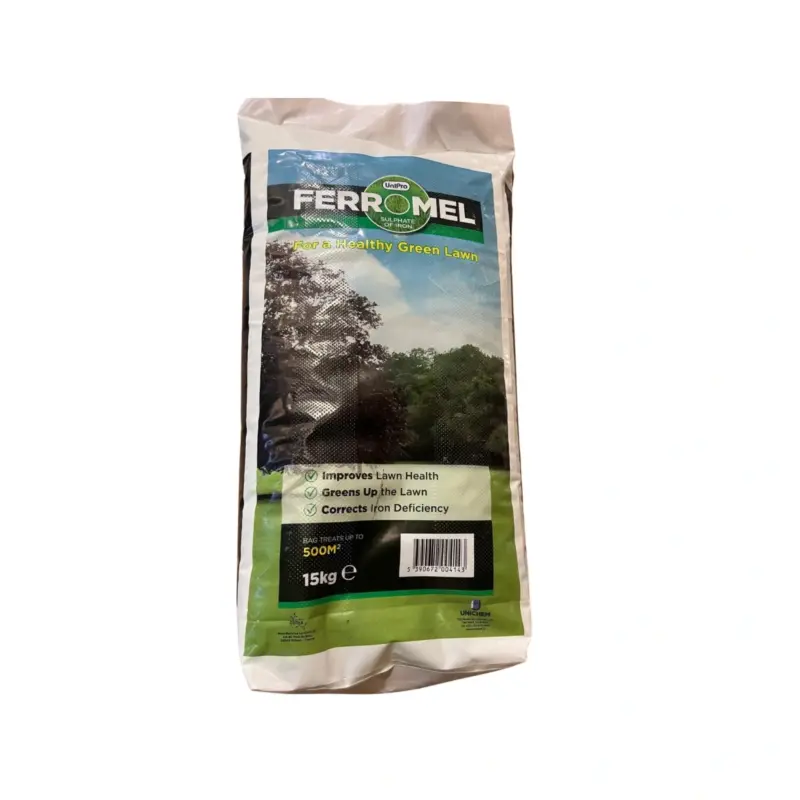
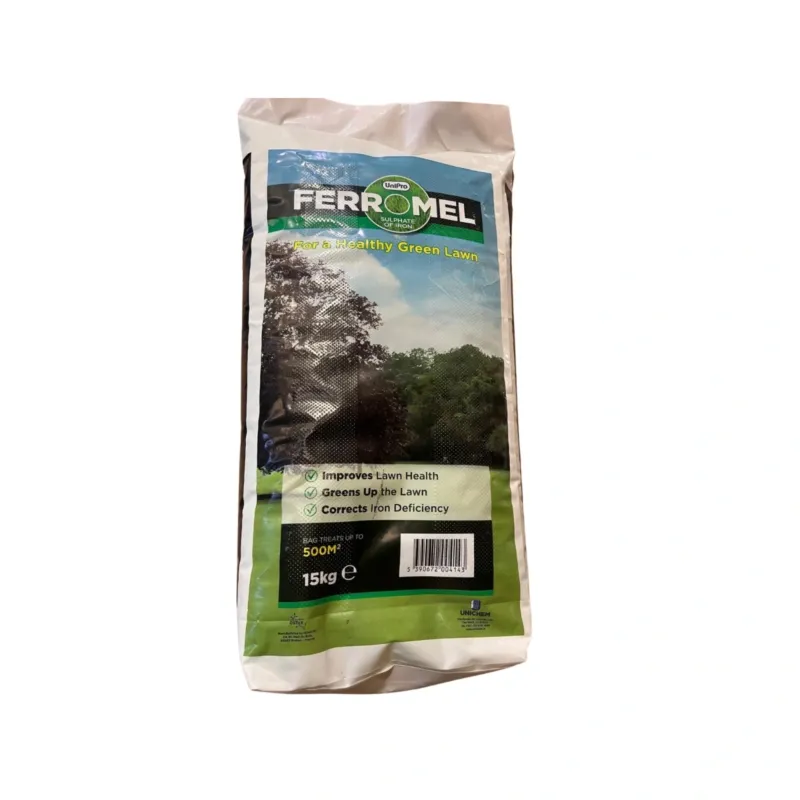
Applying a fertiliser helps the lawn recover by encouraging healthy green colour, improving turf density and supporting stronger root development as the growing season begins.
In Ireland, the fertiliser is usually best applied once soil temperatures have started to rise consistently, which is typically from March into April depending on local weather conditions.
Applying fertiliser too early, when the soil is still cold, may reduce its effectiveness because grass roots are not yet actively absorbing nutrients.
When applying fertiliser, even distribution is very important.
Uneven spreading can lead to striping, where some parts of the lawn grow faster and greener than others.
Using a fertiliser spreader helps ensure accuracy and prevents patches of overfeeding or underfeeding.
It is also important to avoid applying too much fertiliser.
Excess nitrogen can cause grass to grow too quickly, producing soft, weak growth that requires more frequent mowing and can make the lawn more vulnerable to stress and disease.






Step 3: Prepare tools and equipment
March is also maintenance month, when it is sensible to review the condition of the tools and equipment that will be used throughout the coming gardening season.
Well-maintained tools make outdoor work easier, more efficient and safer, while also helping to protect the health of your lawn and plants.
Check:
• Mower blades (sharpen if blunt)
Blunt mower blades tear grass rather than cut it, leaving the tips brown and exposed to disease.
Maintaining garden tools in good condition protects your lawn, improves the quality of work carried out and helps save effort in the long term by reducing the need to correct problems later.
Common spring gardening mistakes in Ireland
- Mowing lawns too early when soil is still wet
- Applying fertiliser before soil temperatures begin to rise
- Ignoring moss treatment before reseeding
- Overwatering newly sown grass seed
- Digging beds when soil is waterlogged
Avoiding these mistakes will help maintain stronger soil structure and healthier plant growth.
Final Thoughts
Preparing your garden properly in early spring is one of the most effective ways to protect its long-term health.
Irish weather conditions place particular pressure on soil structure, drainage and lawn quality, so restoring balance after winter should always be the priority.
By removing debris, controlling moss, relieving compaction, reseeding damaged areas, feeding intelligently and maintaining your tools, you create the foundation for stronger roots, healthier grass and more resilient plants.
Taking time to prepare now means less maintenance pressure later in the year and a garden that is better equipped to handle the full Irish growing season.
A well-managed lawn and healthy soil structure will repay the effort with stronger colour, improved density and easier overall garden care as the season progresses.
Frequently Asked Questions:
What is the best month to start spring garden preparation in Ireland?
Early spring preparation usually begins from March as soil temperatures start to rise and growth activity gradually resumes after winter.
Should I remove moss before reseeding my lawn?
Yes. Treat moss first, wait until it turns black, then rake it out before applying grass seed. This helps prevent moss spores from spreading and improves seed-to-soil contact.
How do I know if my soil is too compacted?
If water pools on the surface, grass growth is weak, or the soil feels hard when walked on, compaction is likely present and aeration may be needed.
How often should I water newly seeded grass?
New grass seed should be kept lightly and consistently moist. Avoid heavy watering, as this can wash seeds away or encourage fungal growth.
Is fertiliser necessary in early spring?
Spring fertiliser helps support recovery after winter, but it should be applied only when soil temperatures are rising and distributed evenly to avoid patchy growth.