Cordless or corded power tools?
Choosing power tools today isn’t as straightforward as it once was.
It’s no longer just about picking something with enough power to get the job done — it’s about how you work, where you work, and how often you’ll be using it.
For many people, the decision now comes down to a simple question: do you go cordless for convenience, or corded for consistent power?
Cordless tools have transformed the way both tradespeople and DIYers work.
But at the same time, corded tools still dominate in workshops and heavy-duty environments where uninterrupted performance matters.
Understanding the strengths of each will help you build a setup that actually works for your projects — rather than fighting against them.
1. The rise of cordless – Convenience without compromise?
Cordless tools have completely reshaped how both tradespeople and DIYers approach a job.
What used to be a trade-off between power and convenience has, in many cases, disappeared.
The biggest change is simple but significant: freedom of movement.
There’s no longer the frustration of dragging extension leads across a room, hunting for a spare socket, or spending the first ten minutes of a job just getting set up.
With cordless tools, you pick them up, switch them on, and get straight to work.
That difference might sound small, but on a busy site or during a quick home project, it makes a noticeable impact.
This flexibility becomes especially valuable in real working conditions.
In gardens, for example, you’re rarely close to a power source.
On roofs or ladders, cables are not just inconvenient but unsafe.
Even indoors, particularly in occupied homes or finished spaces, cordless tools make it far easier to work cleanly and efficiently without disrupting everything around you.
They really come into their own for quick repairs and day-to-day tasks where speed matters more than sustained heavy load work.
Likewise, if you’re moving between multiple locations in a day, cordless tools remove the need to reset and reconfigure your setup each time.
You simply pack up and go.
What’s changed in recent years is that cordless tools are no longer seen as “light duty” alternatives.
Modern battery technology has pushed performance to a point where many cordless tools now match corded equivalents in everyday use.
The idea that you’re sacrificing power for portability is, in most cases, outdated.
Take the Worx cordless range as an example.
Tools such as the Worx Cordless Angle Grinder 20V 115mm (WX800), the Worx Jigsaw WX543.9, and the Worx Cordless Brushless Circular Saw WX520.9 are designed to handle real working conditions while remaining compact and easy to control.
They’re particularly useful when working overhead or in confined spaces where manoeuvrability matters just as much as cutting or grinding power.
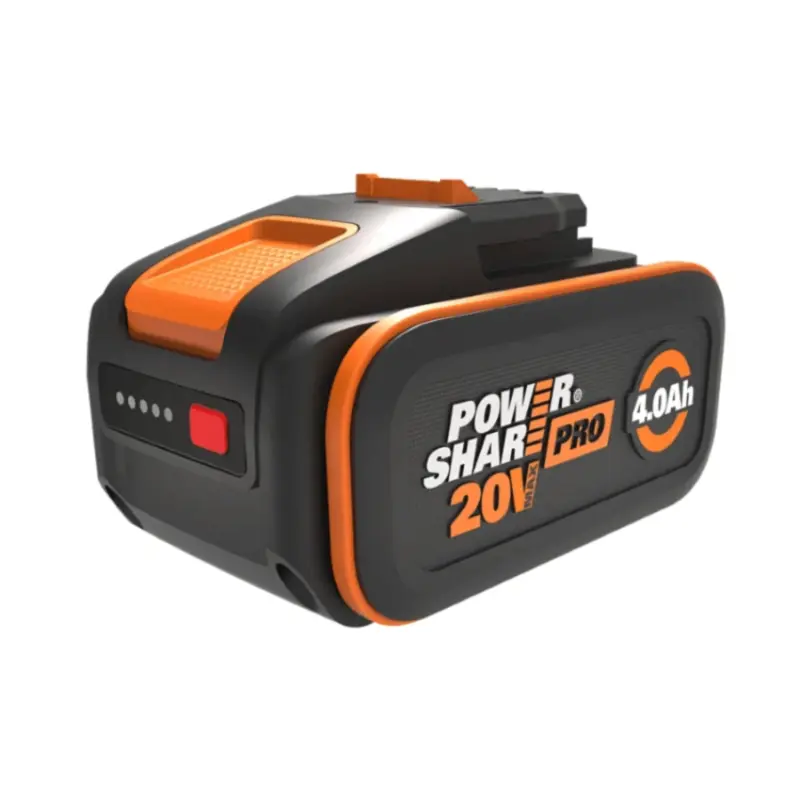
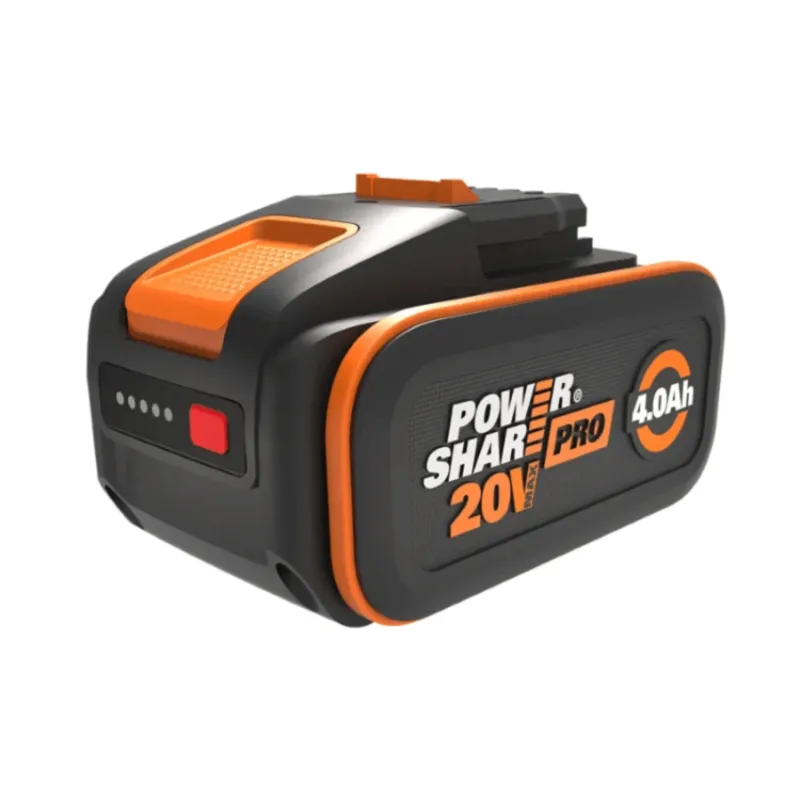
When you combine those tools with the Worx PowerShare PRO 20V 4.0Ah Battery, you start to see the real advantage of cordless systems.
One battery platform can power multiple tools, meaning you’re not constantly switching between different chargers or investing in separate batteries for every tool you own.
It creates a more streamlined setup that grows with your needs.
The same principle applies across other leading brands.
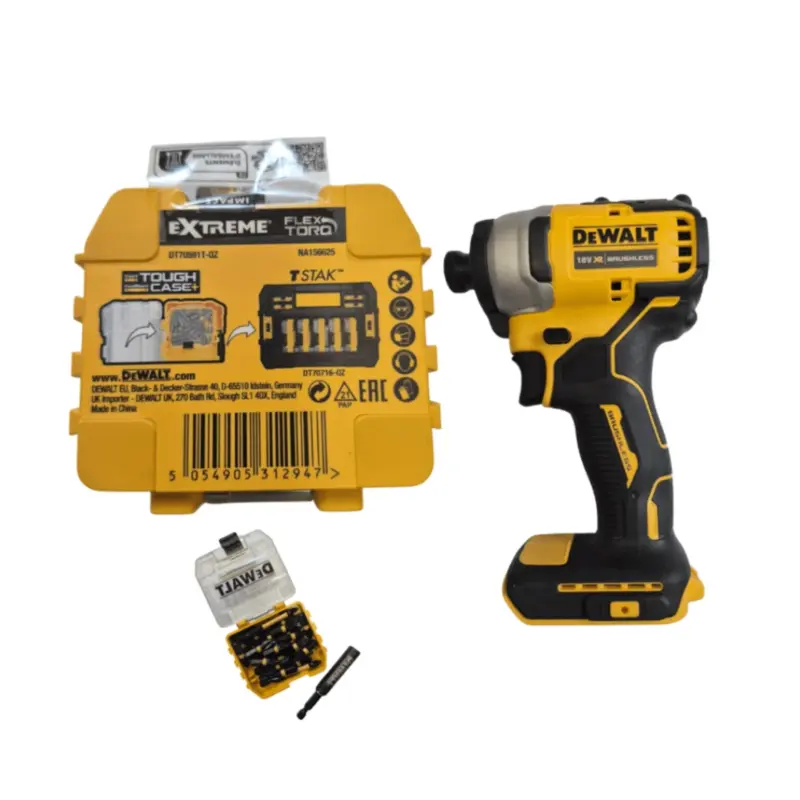
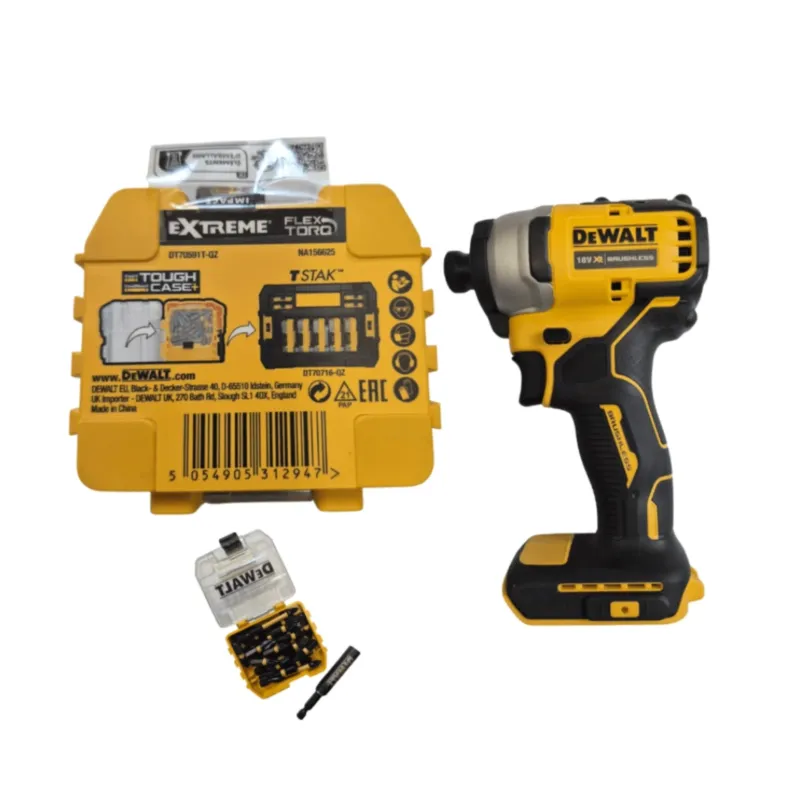
Tools like the DeWalt DCF809N XR Brushless Impact Driver and the DeWalt DCF887D2 18V XR Impact Driver have become firm favourites on site because they deliver high torque in a compact body, making them ideal for fixing, fastening, and repetitive assembly work without fatigue.
They’re built to be used all day, not just occasionally.
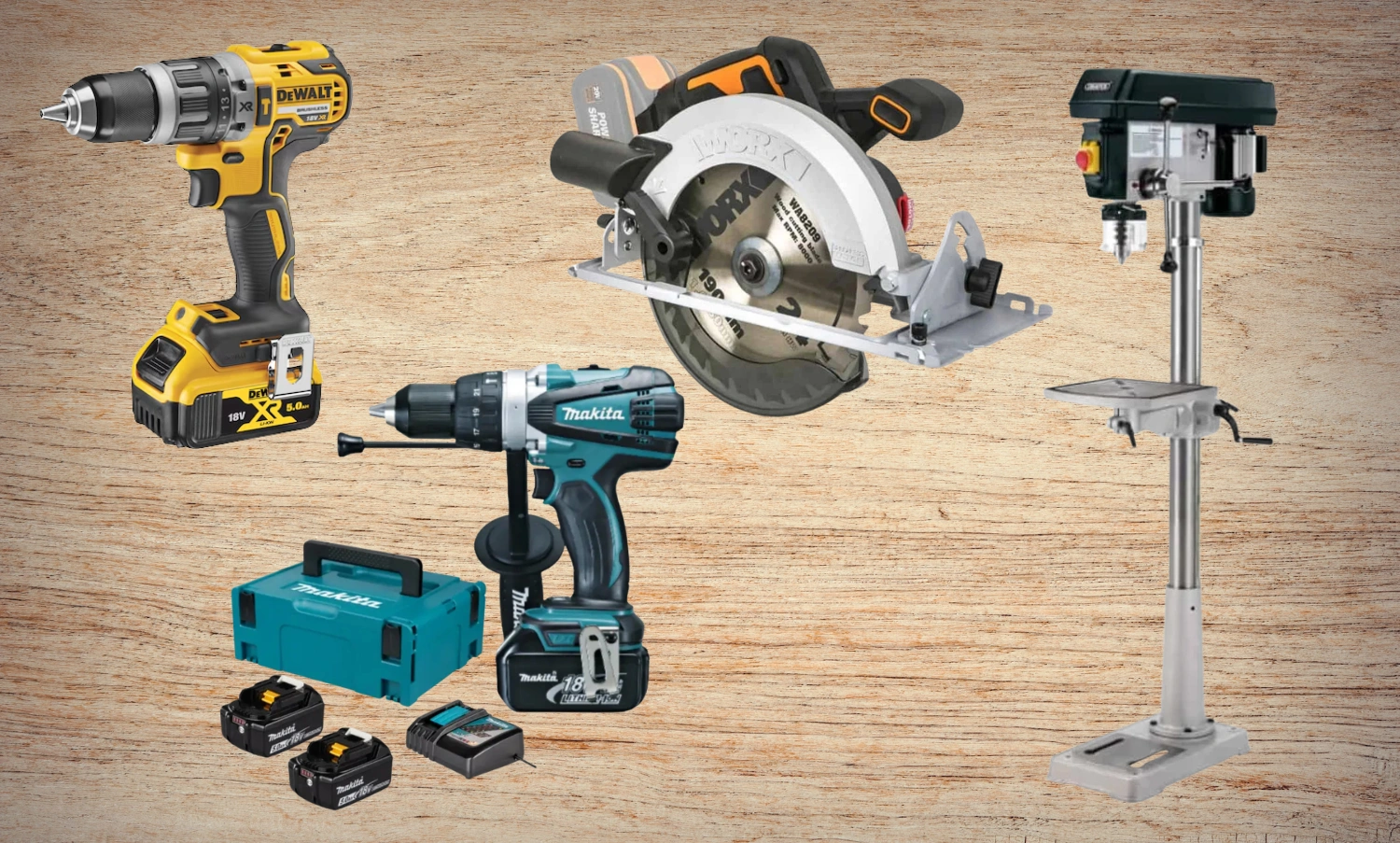
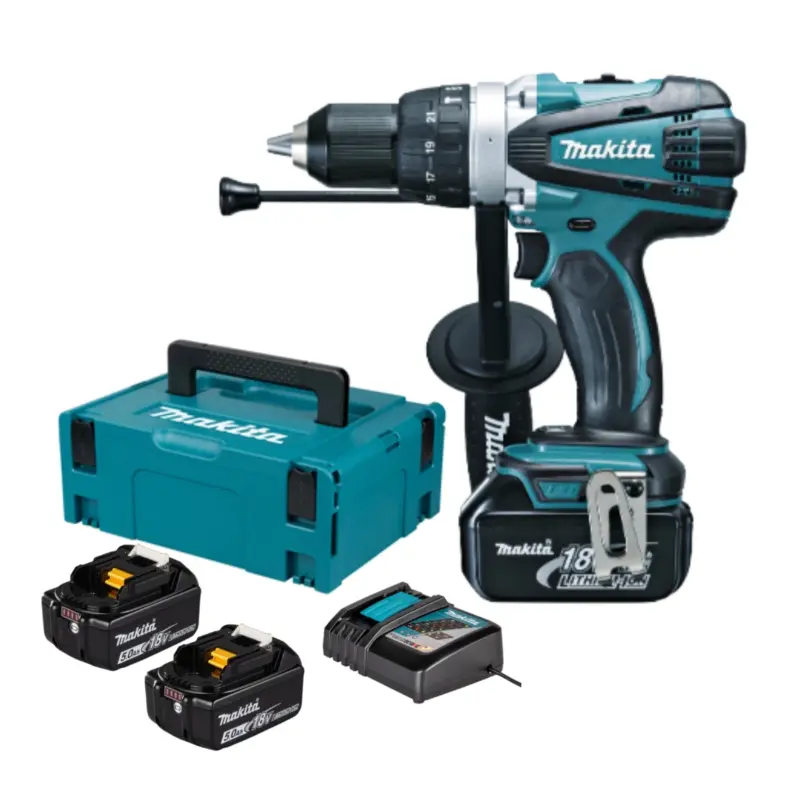
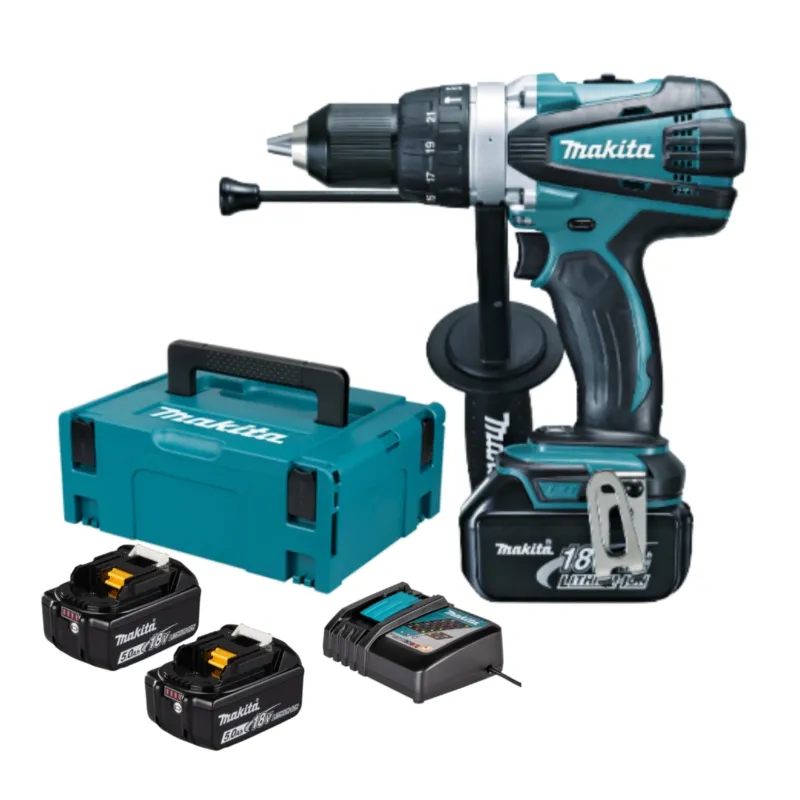
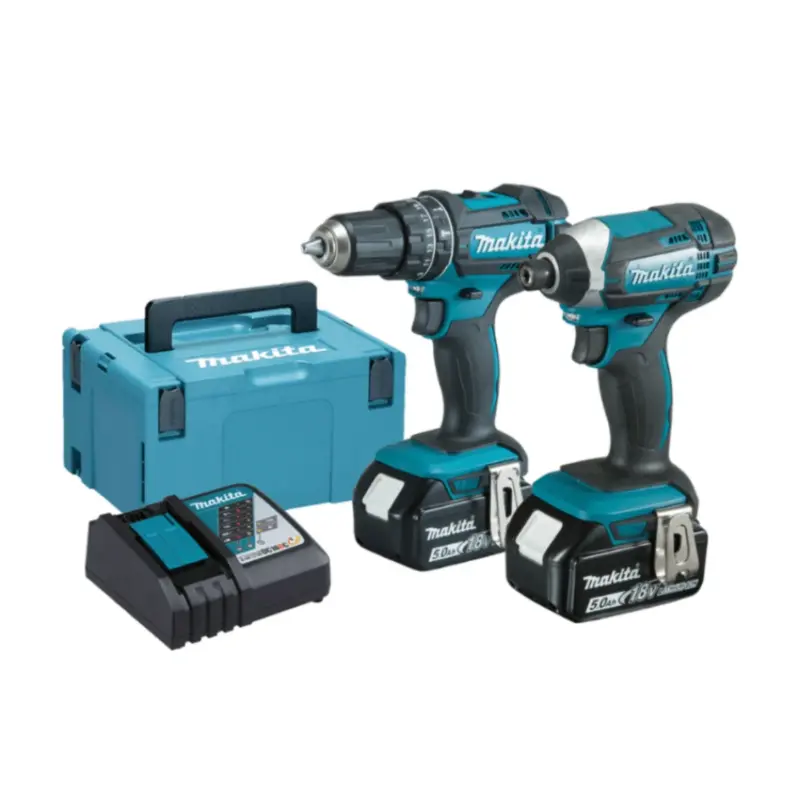
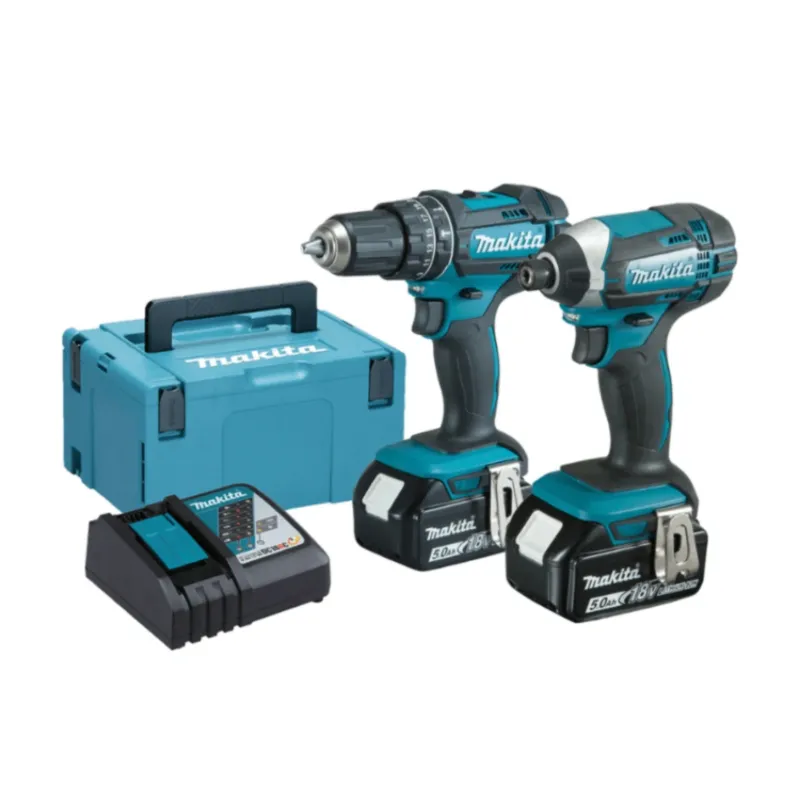
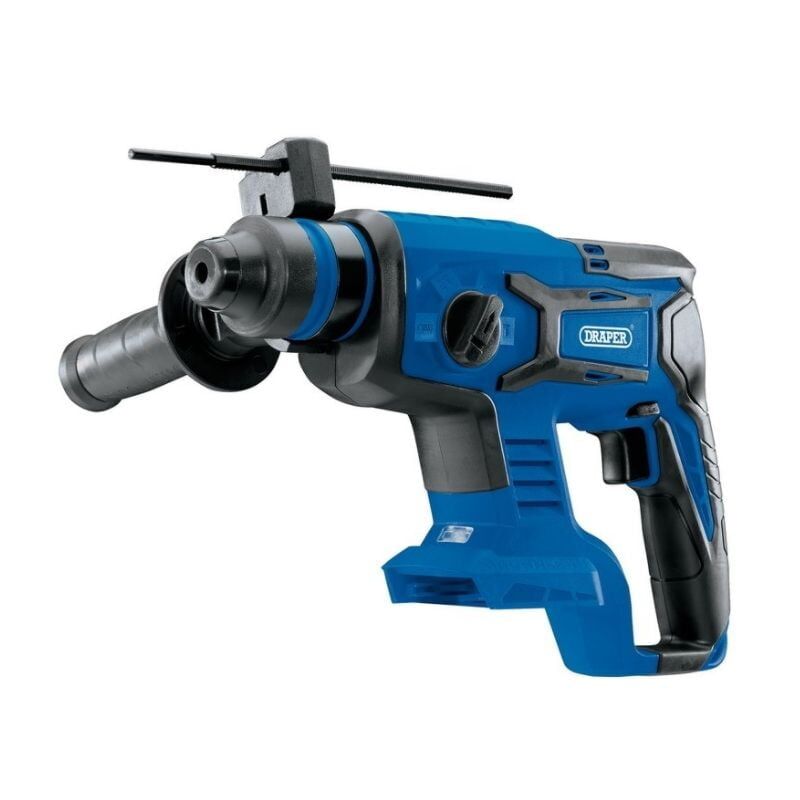
On the Makita side, tools such as the Makita DHP458RTJ LXT Combi Drill, the Makita LXT SDS-PLUS Rotary Hammer, and kits like the Makita 18V LXT 2 Piece Combo Kit (DHP482 & DTD152) show just how far cordless systems have evolved.
The LXT platform in particular is widely respected for its balance of power, durability, and compatibility across a huge range of tools.
What ties all of this together is the battery ecosystem.
Once you commit to a platform, the benefits build over time.
The Worx PowerShare system allows multiple tools to run from the same battery family, the Makita LXT system offers one of the most extensive cordless tool ranges available, and the DeWalt XR platform is designed specifically with trade-level performance in mind, delivering consistent output under load.
Once you’re invested in a system, expansion becomes simple.
You’re not restarting from scratch every time you add a new tool — you’re building on what you already have.
In short, cordless tools solve two of the biggest challenges on any job: mobility and speed.


2. When corded still wins – Raw power & consistency
Despite the huge rise in cordless technology, corded tools are very much still part of everyday trade and workshop life.
In fact, in the right situations, they’re not just relevant — they’re the better option.
The main reason is straightforward: uninterrupted power.
With a corded tool, there’s no concern about battery levels dropping mid-job, no waiting around for a recharge, and no gradual reduction in performance as a battery drains.
You get a constant, consistent output from start to finish, which is exactly what you need when the work is demanding or repetitive.
This makes corded tools particularly well suited to tasks that involve sustained use.
If you’re cutting, grinding, sanding, or planing for long periods, consistency becomes more important than portability.
The tool doesn’t slow down, it doesn’t fade under pressure, and it doesn’t force you to stop halfway through a job to swap power sources.
It’s in these environments that corded tools really justify their place.
Take Makita Angle Grinders such as the Makita Angle Grinder GA9020 230mm 110V or the Makita 9557NBR 115mm Grinder.
These are designed for serious, continuous work on metal, masonry, and construction materials.
They don’t rely on battery capacity to maintain performance, which means they can keep delivering the same level of power even during prolonged, heavy grinding tasks.
The same applies to larger cutting and shaping tools.
A sliding compound mitre saw such as a Sliding Compound Mitre Saw (230V) or a Makita Circular Saw HS7601J provides the kind of consistent cutting power that becomes essential when working through large volumes of timber or sheet material.
The motor runs at full capacity for as long as you need it, without hesitation or drop-off.
Tools like belt sanders, planers, and orbital sanders also tend to perform at their best when corded.
The steady power delivery ensures a more even finish, particularly when working on longer surfaces where consistency matters more than speed bursts.
Corded tools are also still the go-to choice for many preparation and mixing tasks.
A machine like the Jefferson Plaster Mixer is a good example of where torque and sustained load handling are critical.
When mixing plaster, adhesives, or compounds, the tool needs to maintain force throughout the entire process.
Corded power ensures the mix stays consistent from start to finish, without the risk of the motor struggling as resistance increases.
In workshop settings, corded tools often become the backbone of daily operations.
They’re left set up, ready to go, and used repeatedly without concern for charging cycles or battery rotation.
That reliability is a big reason why they continue to be preferred in more controlled environments where mobility isn’t a priority.
In short, corded tools solve a very specific but important problem: endurance under load with no compromise in power.


3. Workshop machinery – A different league altogether
Beyond handheld power tools sits a completely different category altogether: stationary workshop machinery.
These are not tools you pick up and move from job to job.
Instead, they form the foundation of a proper workshop setup where consistency, precision, and output matter more than portability.
The key difference here is that these machines are built for control and repeatability, not flexibility.
Once set up correctly, they allow you to perform the same operation again and again with a level of accuracy that handheld tools simply can’t match over long runs.
That’s why they’re so widely used in joinery shops, fabrication workshops, and serious home setups.
In many ways, this is where tools stop being “handheld solutions” and become part of a production process.
Machines such as a Draper 305mm Bandsaw 750W or a larger Draper 340mm Bandsaw 1100W are perfect examples of this shift.
Rather than forcing material into a portable saw, the bandsaw allows controlled cutting of curves, resawing timber, and repeatable shaping with far greater stability.
The result is cleaner cuts and far less material waste.
Drilling accuracy is another area where workshop machinery stands apart.
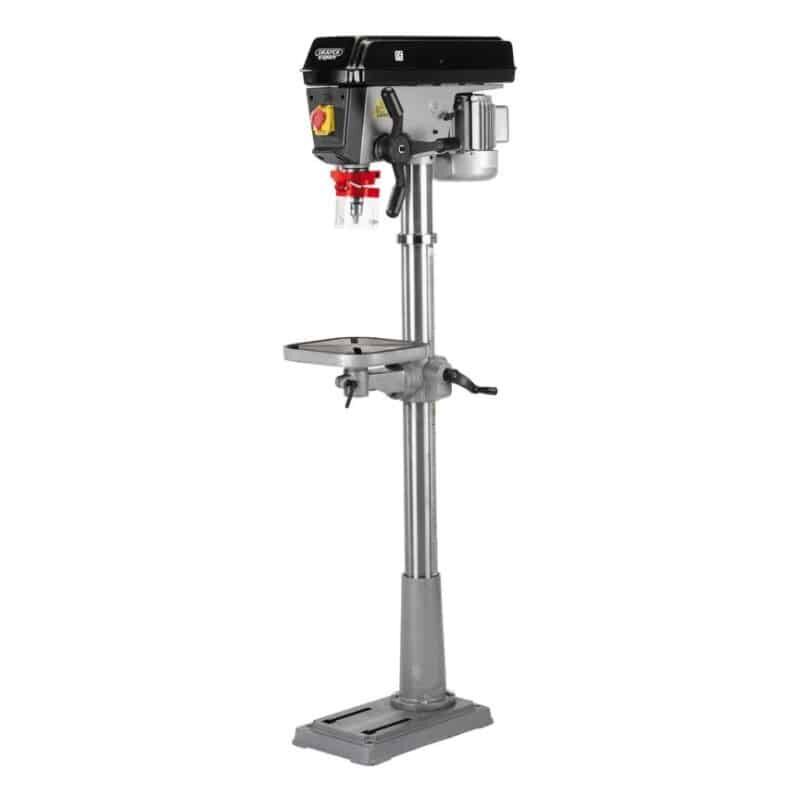
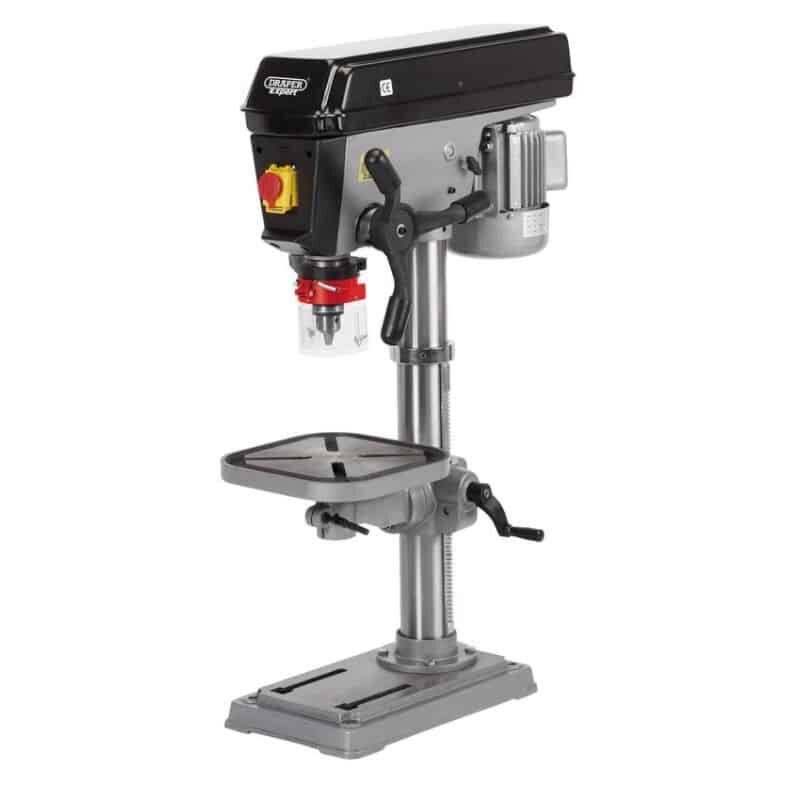
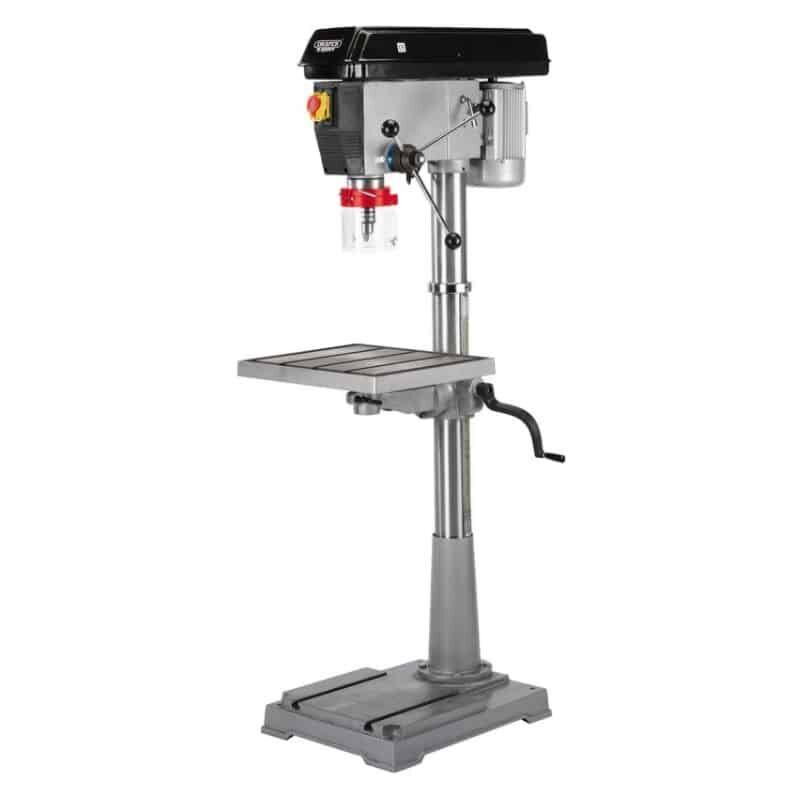
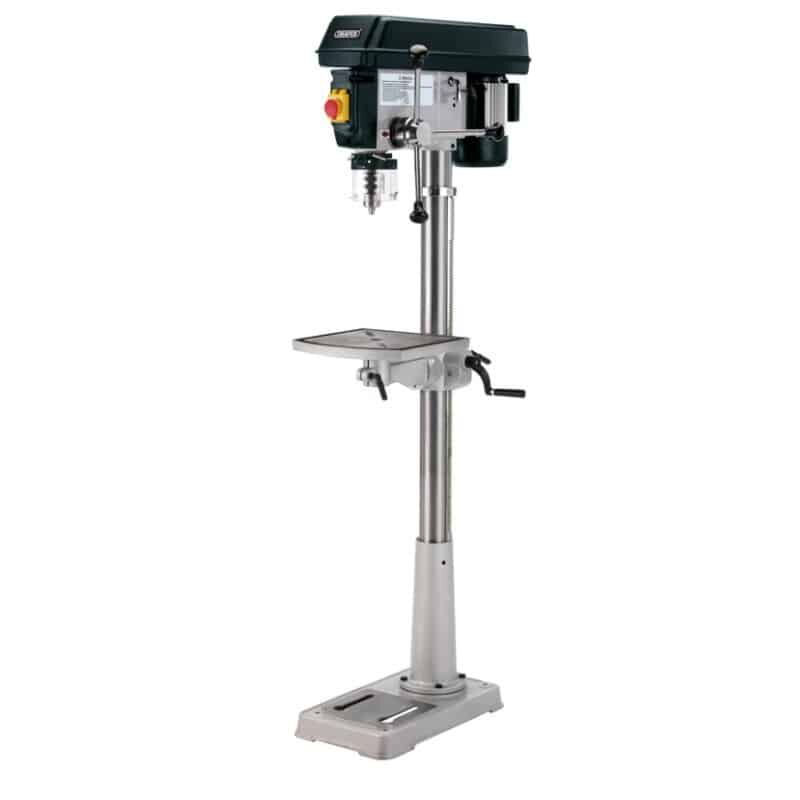
A Drill Press or a dedicated model like the Draper Expert 650W 16 Speed Bench Drill gives you perfectly vertical, repeatable holes every time.
Once the depth and alignment are set, you can work through batch after batch of components without variation — something that’s difficult to achieve consistently with a handheld drill alone.
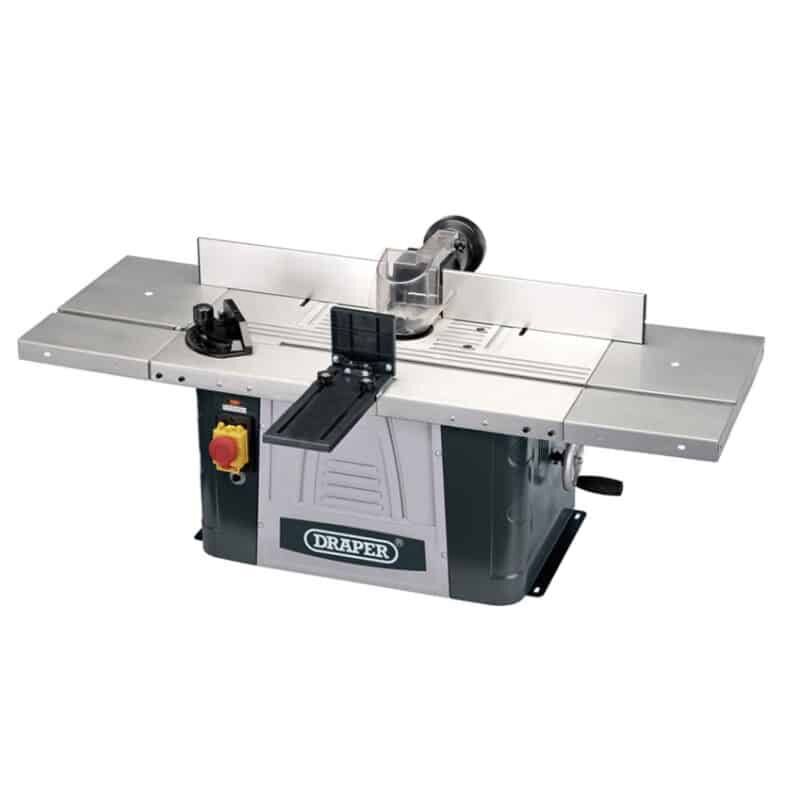
For shaping and timber work, machines like a Draper Bench Mounted Spindle Moulder or a Draper Wood Lathe 43" open up a level of precision that simply isn’t possible with portable tools.
Whether you’re turning spindles, shaping edges, or producing decorative joinery, the machine takes over the control so you can focus on consistency and finish.
Cutting larger materials also becomes far more efficient with fixed machinery.
A Draper 315mm Contractors Saw or a sliding compound saw setup allows sheet goods and timber to be broken down accurately and repeatedly, which is essential in both production and workshop environments where every millimetre matters.
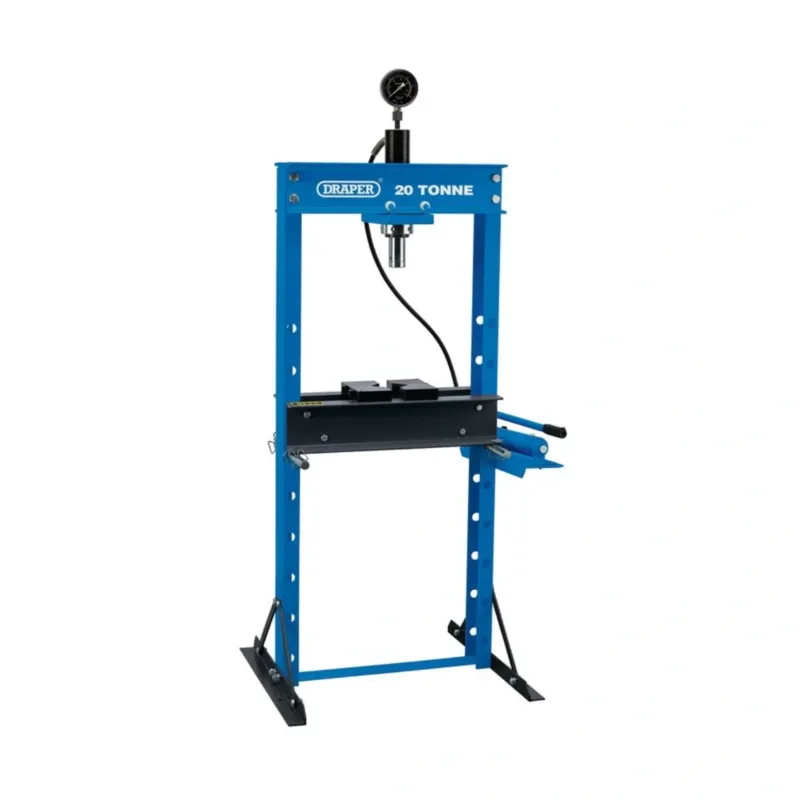
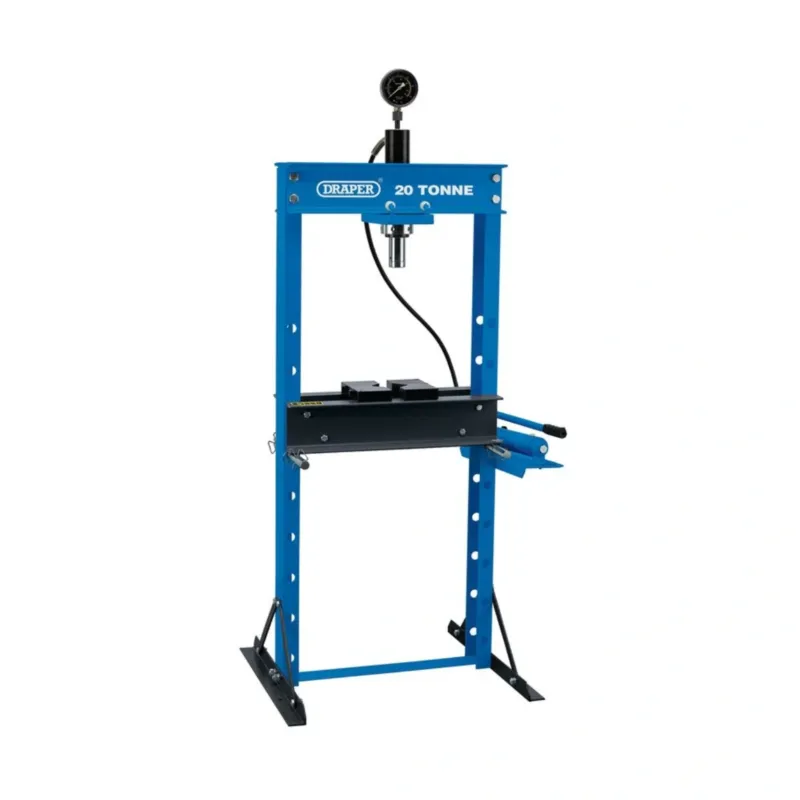
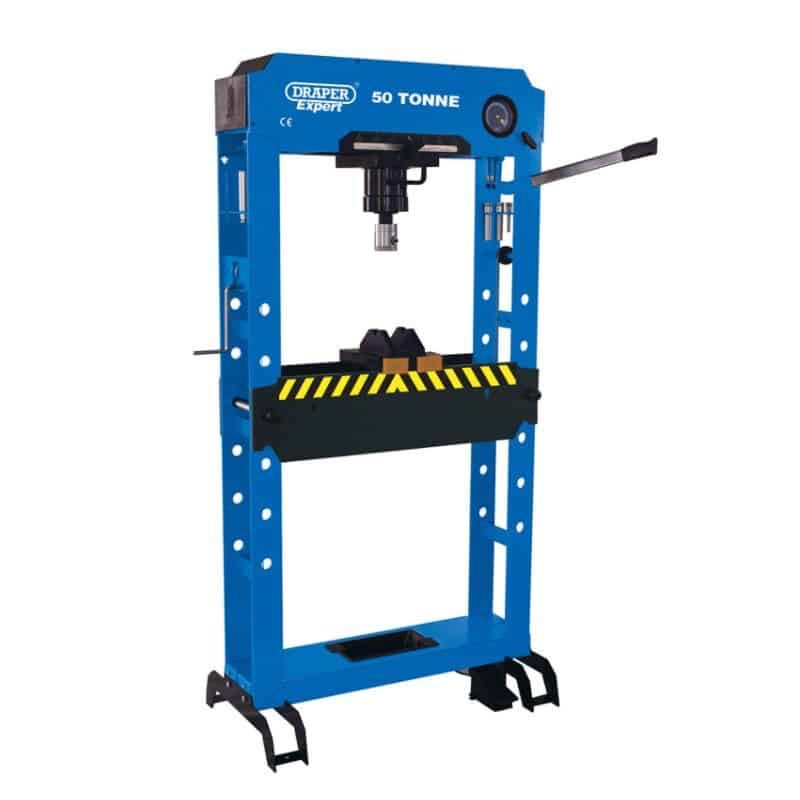
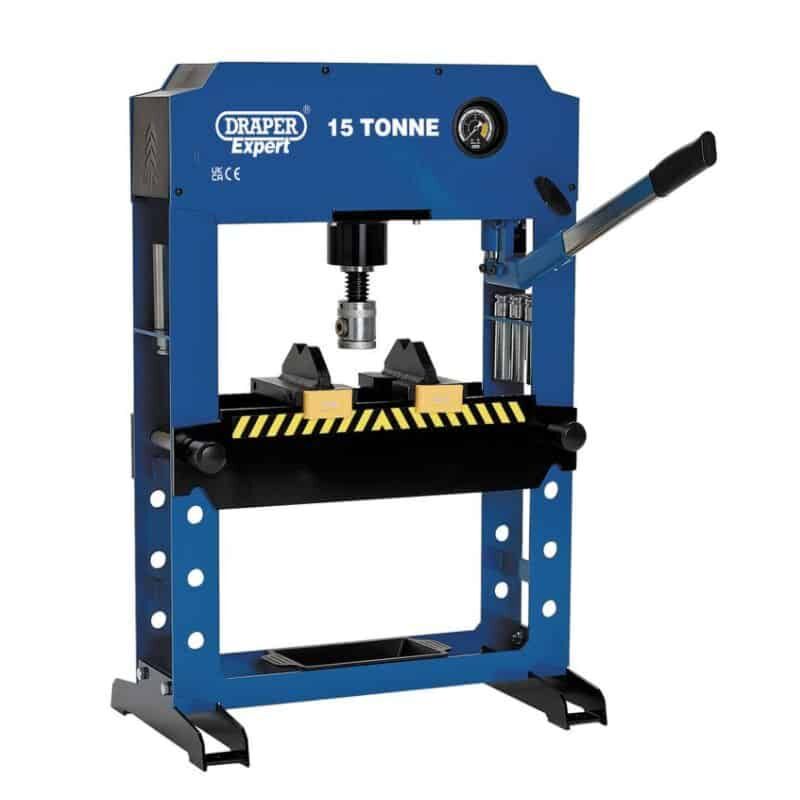
At the heavier end of the scale, equipment such as a Draper Hydraulic Floor Press or a Draper Expert Hydraulic Press introduces controlled force into fabrication and repair work.
These machines are used for pressing, bending, assembling, and extracting components where steady, controlled pressure is required rather than handheld force.
What ties all of this together is the way it changes your working method entirely.
Workshop machinery isn’t about moving around a job — it’s about building a space where the work comes to you.
Instead of adapting the tool to the task, you adapt the task to the machine, which results in far greater efficiency and accuracy.
This is why these machines are typically used by joiners, cabinet makers, metalworkers, and serious workshop enthusiasts who need consistent output rather than occasional flexibility.
In short, workshop machinery operates in a different category altogether: precision, repeatability, and capacity over mobility.








4. Batteries, chargers & compatibility – What people overlook
One of the most common mistakes when buying cordless tools is treating each purchase as an isolated decision.
It’s easy to focus on the tool itself — its size, its power, or its price — and overlook what actually holds the whole system together: the battery platform.
In reality, the battery system is just as important as the tool.
In many cases, it’s the difference between a toolkit that grows with you and one that becomes fragmented, expensive, and awkward to manage over time.
When you stick to a single battery platform, everything becomes more streamlined.
You’re not juggling multiple chargers, different battery types, or incompatible tools.
Instead, you’re building a system where every new addition fits into what you already own.
That brings a number of practical advantages on site and in the workshop.
It reduces long-term costs because you’re not repeatedly buying batteries and chargers for each individual tool.
It simplifies storage, since everything shares the same charging setup.
It also improves efficiency, because you can swap batteries between tools instantly without downtime.
And importantly, it helps prevent interruptions in work caused by running out of charged batteries at the wrong moment.
This is where modern cordless ecosystems really show their value.
The Worx PowerShare system, for example, is designed so that one battery platform can power a wide range of tools.
Whether you’re using a Worx Cordless Angle Grinder WX800, a Worx Jigsaw WX543.9, or a Worx Cordless Circular Saw WX520.9, the same Worx PowerShare PRO 20V battery can be moved between them seamlessly.
That flexibility makes it particularly useful for homeowners and tradespeople who want versatility without complexity.
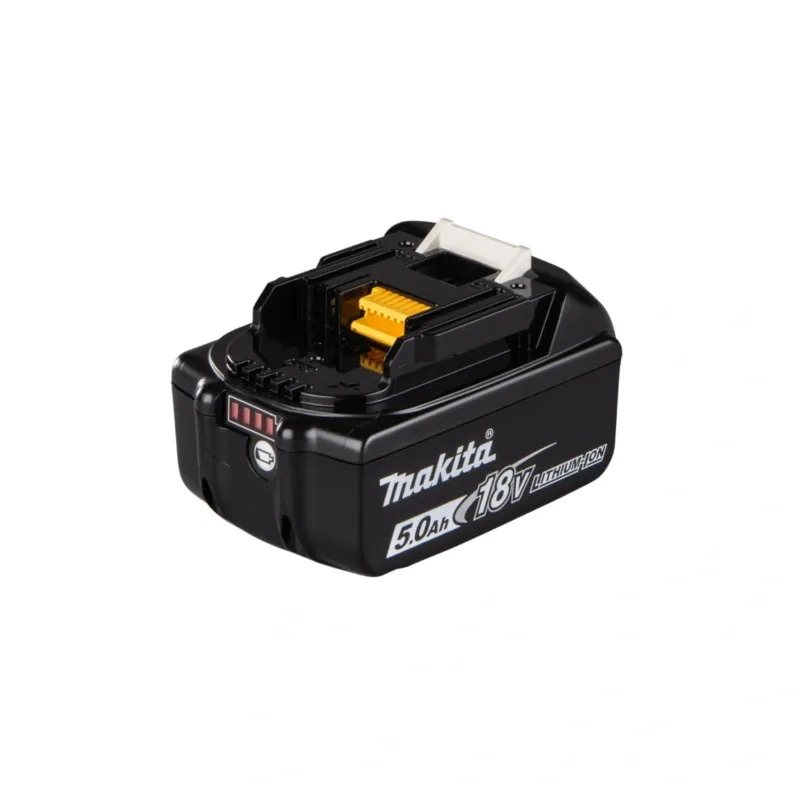
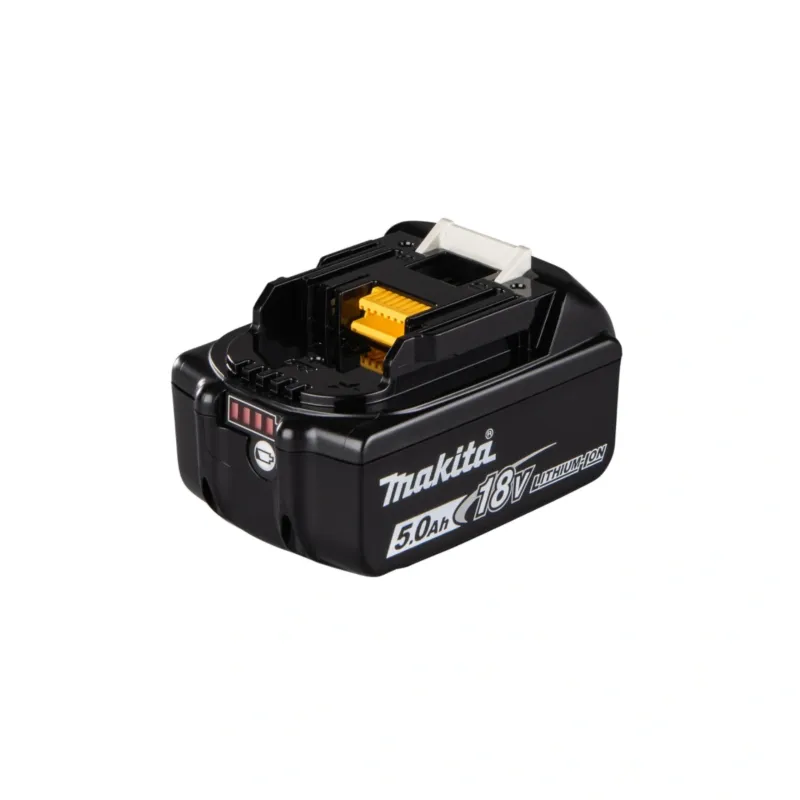
On the professional side, Makita LXT batteries and chargers, such as the Makita DC18RC Compact Charger and Makita 18V LXT battery range, support one of the most extensive cordless ecosystems available.
From drills and impact drivers to saws, grinders, and even specialist tools, the LXT platform allows users to build a fully integrated toolkit over time without switching systems.
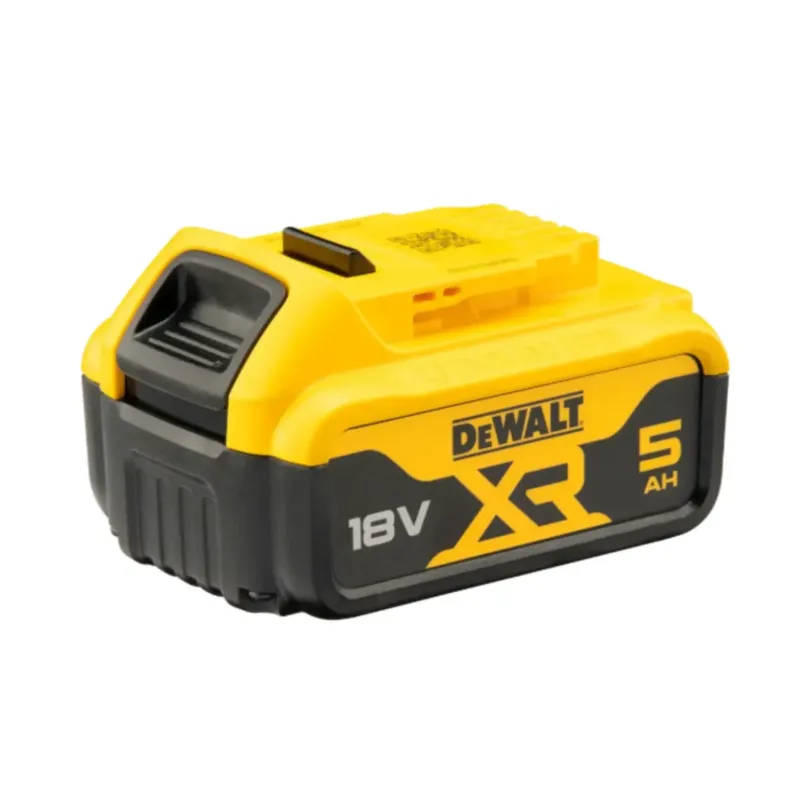
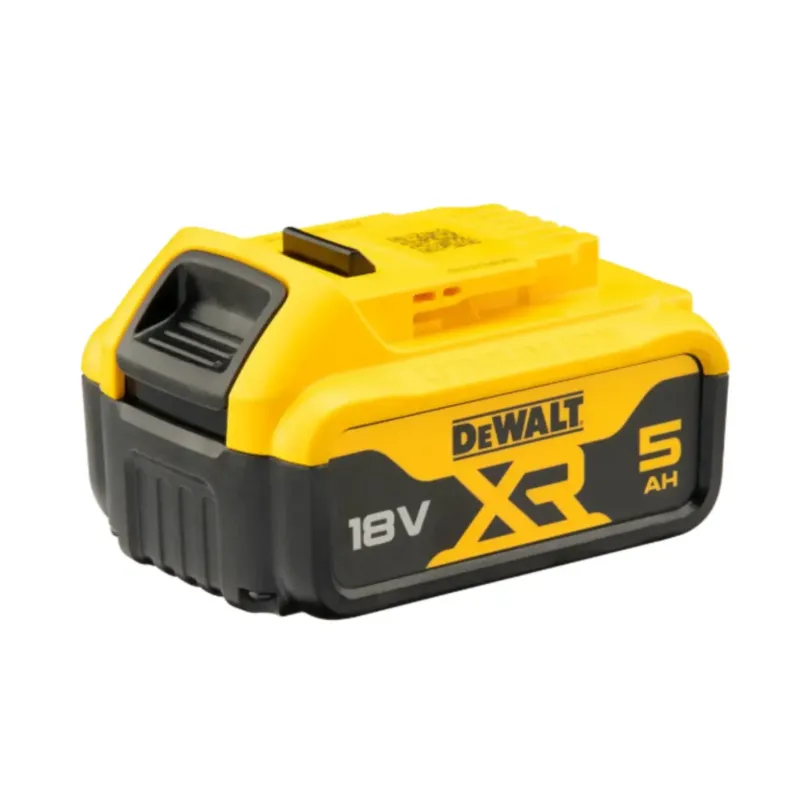
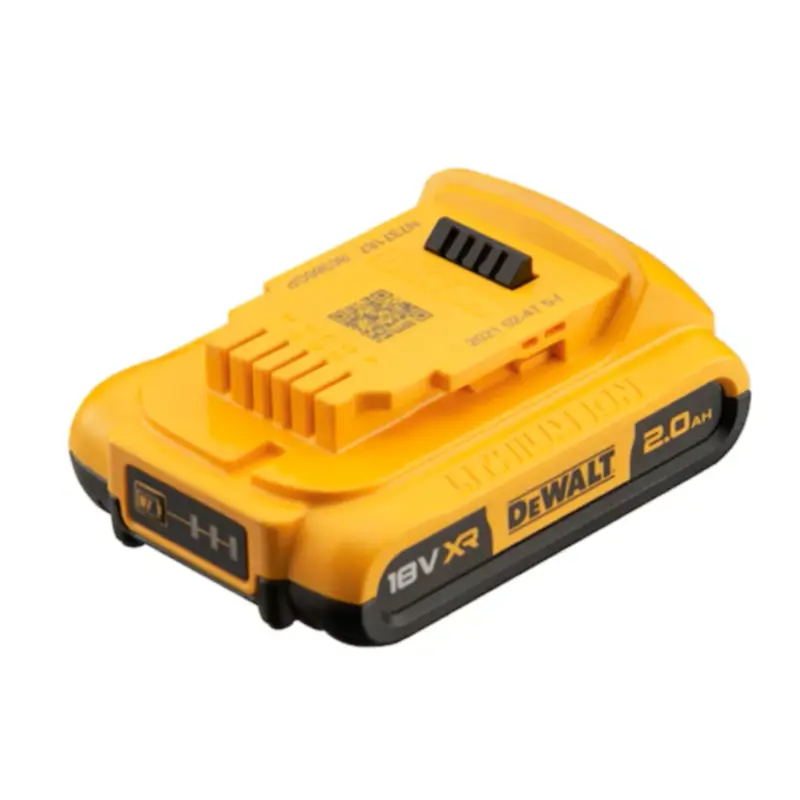
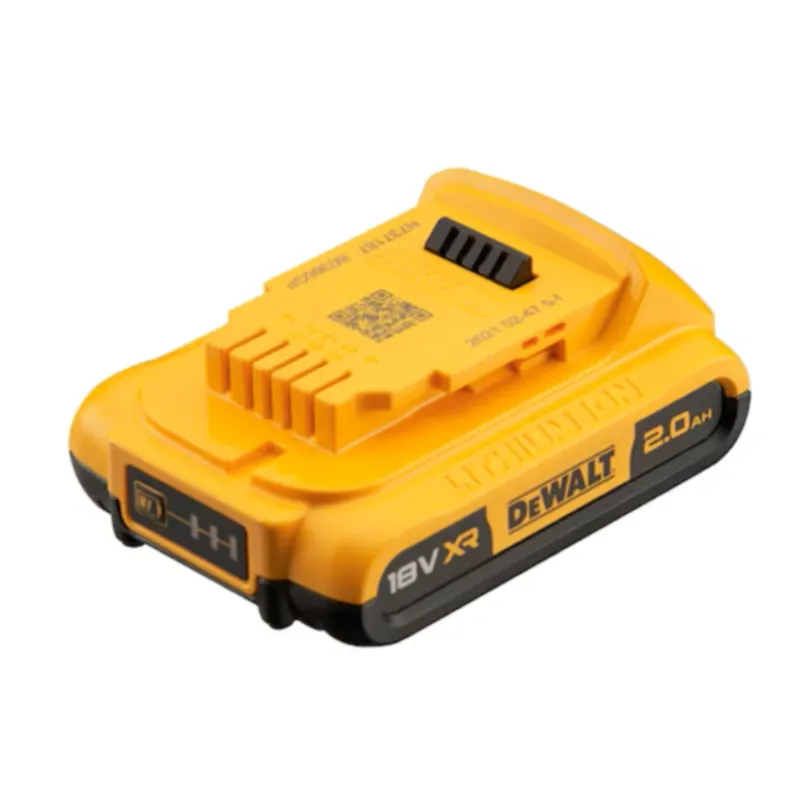
Similarly, DeWalt XR batteries, including options like the DeWalt 18V XR 2Ah Lithium Ion Battery, are designed specifically for high-demand trade environments.
They deliver consistent power output under load, making them ideal for tools such as the DeWalt DCF887 Impact Driver or DeWalt Combi Drill Kits, where performance and reliability are essential throughout the working day.
Once you commit to a system like this, the benefits compound.
Every new tool becomes an extension of what you already own, rather than a standalone purchase.
Charging becomes predictable, spares become interchangeable, and your overall workflow becomes far more efficient.
In short, the battery ecosystem is what turns a collection of cordless tools into a properly functioning system — and it’s often the part people only realise the importance of once they’ve already built their toolkit.

5. So, which should you choose?
There isn’t a single right answer here, because the “best” setup always depends on how you actually work day to day.
The mistake many people make is trying to choose one side — cordless or corded — when in reality, the most effective setups tend to combine both.
It’s less about the type of tool, and more about the type of work you’re doing.
For DIY and home projects, cordless tools are usually the most practical choice.
Jobs around the house are typically short, varied, and spread out over time, so convenience plays a big role.
Being able to pick up a tool and start immediately, without worrying about cables or setup, makes everyday tasks quicker and far less hassle.
For general repairs, light cutting, assembly, and maintenance, cordless tools offer more than enough performance.
For trade and site work, a balanced approach is often the most efficient.
Cordless tools provide the mobility and speed needed to move between tasks, especially in areas where access to power is limited or constantly changing.
At the same time, corded tools still have a clear role when the work becomes more demanding or needs to be carried out over longer periods.
Having both options available allows you to adapt to the job rather than compromise on performance or efficiency.
In workshop and joinery environments, the focus shifts again.
Here, precision, consistency, and long-term performance matter far more than portability.
Fixed machinery and corded tools take priority because they offer the stability and repeatability needed for accurate, high-quality work.
Once set up, they allow you to carry out the same task repeatedly with confidence, which is essential in any workshop setting.
The key takeaway is that it’s not about choosing one category and sticking to it.
It’s about building a setup where each type of tool plays its role properly.
Cordless tools provide flexibility and speed, corded tools deliver consistent power, and workshop machinery brings accuracy and capacity.
The most effective setups bring all three together in a way that suits the work being done — rather than forcing the work to fit the tools.
Build the right setup, not just a tool collection
The best toolkits aren’t built by accident — they’re built around how you actually work on a day-to-day basis, not just what looks good on a shelf.
Cordless tools give you freedom and speed, making them ideal for fast-paced work and jobs where mobility matters.
Corded tools bring strength and endurance, especially where consistent power is needed for longer or more demanding tasks.
Workshop machinery then takes things further again, offering precision, capacity, and repeatable accuracy that handheld tools simply can’t match.
When these elements are combined properly, you’re not just buying tools — you’re building a system that makes every job easier, faster, and more consistent.
That’s where a bit of expert guidance can make a real difference.
If you’re unsure what setup makes sense for your work, we can help you choose the right combination of cordless, corded, and workshop equipment based on how you actually use your tools.