Best insulation materials for every area of your house
When it comes to insulating your home, there really isn’t a one-size-fits-all solution.
This is because heat doesn’t escape evenly throughout a home.
It rises, it moves through gaps, and it travels through materials in different ways depending on their structure and exposure.
That’s why selecting the correct insulation type for each specific area is just as important as the thickness or overall thermal performance.
Getting this right has a direct impact on everyday comfort.
Whether you’re upgrading an older home that struggles with heat retention, working on a new build, or simply trying to fix cold spots and draughty areas, understanding how and where to insulate is key.
Each area of the home has its own requirements, from wall cavities and floors to ceilings and roof spaces, and the right product choice can significantly improve performance and installation efficiency.
In this guide, we’ll look at some of the most common areas in the home that benefit from insulation — and the most suitable products for each application, helping you make more informed, practical decisions for your project.
1. Insulating stud walls for better thermal performance and noise reduction
Internal stud walls are a common feature in modern homes, extensions, attic conversions, and renovation projects.
They’re typically used to divide living spaces without the need for load-bearing masonry, which makes them flexible in design — but it also means they can easily become weak points for both heat retention and sound transfer if left uninsulated.
Unlike solid walls, stud partitions rely on insulation fitted within a timber or metal frame cavity.
The challenge is choosing a material that fits securely within the void, maintains consistent coverage without sagging or leaving gaps, and performs well for both thermal efficiency and acoustic control.
This is why the choice of insulation here is so important.
A well-insulated stud wall can help create quieter bedrooms, more private living spaces, and warmer rooms that don’t feel draughty or hollow.
It can also make a significant difference in home offices or converted spaces where noise control is just as important as heat retention.
One of the most widely used solutions for this type of application is Rockwool Flexi Insulation (Acoustic & Thermal) Mineral Wool.
It is designed specifically for stud walls, featuring a flexible leading edge that allows the slab to compress slightly and then expand within the cavity.
This creates a tight friction fit between studs, reducing air gaps that would otherwise lead to heat loss or sound leakage.
In addition to its thermal performance, it also provides strong acoustic benefits, making it particularly effective in separating rooms where privacy or noise reduction is important.
It is also non-combustible, adding an extra layer of fire safety within internal partitions.
For projects where a roll-based solution is preferred, Metac Isover Acoustic & Thermal Insulation Roll offers a practical and versatile alternative.
It is easy to cut and handle, which makes it particularly useful in continuous stud wall runs or larger renovation areas.
Once installed, it provides reliable thermal insulation while also helping to dampen sound transfer between rooms.
Its flexibility makes it well suited to both new stud wall construction and refurbishment work where speed of installation is a key consideration.
In practice, both options serve the same core purpose — improving comfort between internal spaces — but the choice often comes down to installer preference and the specific requirements of the project.
Slab-based products tend to offer a very precise fit, while roll-based insulation can be quicker to install in larger or less complex wall sections.


2. Between ceiling joists: A simple way to stop heat escaping
A significant amount of heat loss in homes occurs through the roof space.
Warm air naturally rises, and if a loft or attic is poorly insulated, it will escape quickly through the ceiling and into the roof void.
This is why insulating between ceiling joists is one of the most effective and cost-efficient upgrades you can make, particularly in older properties or homes where loft insulation has been partially installed or compressed over time.
When installed correctly, insulation at joist level helps to create a continuous thermal barrier above the heated living space.
This keeps warmth where it is needed, improves overall comfort throughout the home, and can also have a noticeable impact on energy usage over the heating season.
It is also one of the most straightforward insulation jobs in terms of accessibility and installation, provided the loft space is clear and usable.
A widely used and reliable solution for this application is Knauf Earthwool Insulation - Loftroll 44.
This mineral wool roll is specifically designed for loft and ceiling joist installations, offering a soft yet resilient structure that is easy to handle and cut to size.
It fits neatly between standard joist spacings and can be layered to achieve the required depth for modern insulation standards.
One of the key advantages of this product is its flexibility in installation depth.
It is available in multiple thicknesses, including 100mm (13.9m²), 150mm (9.18m²), and 200mm (6.84m²), allowing installers to build up insulation levels depending on existing loft conditions or performance targets.
This makes it particularly useful for both partial top-ups and full re-insulation projects.
Homeowners and installers often choose Earthwool not only for its thermal performance but also for its ease of use.
It is designed to be non-irritant compared to traditional mineral wool, making it more comfortable to work with during installation. In addition, it is manufactured using recycled materials, which makes it a popular option for those looking to improve energy efficiency while also considering sustainability.
Used correctly, this type of insulation can transform a cold, underperforming loft space into an effective thermal barrier that helps reduce heat loss across the entire home, contributing to improved comfort and lower heating demand year-round.


3. Floors: stop the cold coming up from below
Cold floors are one of the most common comfort complaints in homes, particularly in older properties where solid floors or uninsulated suspended timber systems allow cold air and draughts to rise directly into the living space.
Even when walls and roofs are well insulated, poorly insulated floors can undermine overall comfort, leaving rooms feeling cooler than they should and increasing reliance on heating.
Floor insulation works by creating a thermal barrier between the ground and the internal floor surface.
This helps to retain heat within the room, reduce cold bridging, and create a more consistent indoor temperature throughout the day.
The result is a noticeably warmer, more comfortable living environment, especially in ground floor rooms that are exposed to external conditions.
A high-performance solution for this type of application is Unilin Thin-R XT/PR_UF Floor Insulation Boards 2.88m2.
These rigid PIR boards are designed specifically for floor build-ups where strong thermal performance is required without significantly increasing floor depth.
Their high insulation value means you can achieve excellent efficiency improvements using relatively slim profiles, which is particularly important in renovation projects where height restrictions or existing thresholds need to be maintained.
Because of their rigid structure, these boards install cleanly and provide a stable insulation layer suitable for a variety of floor types, including solid floors, suspended timber systems, and new extension builds.
They are also commonly used in conjunction with underfloor heating systems, where consistent heat retention and efficient transfer are essential for system performance.
One of the key advantages of this type of insulation is its suitability for projects where space is limited. In many retrofit situations, raising floor levels is not practical, so a product that delivers maximum thermal performance in minimal depth becomes especially valuable.
This makes Unilin PIR boards a popular choice for both refurbishment and new build applications where efficiency and build-up constraints need to be carefully balanced.
In some cases, where perimeter detailing or edge insulation is required to reduce thermal bridging, compatible Unilin Thin-R PIR Insulation Strip XT/STR can also be used to help complete the insulation layer and improve overall system performance, particularly around junctions and floor edges.


4. Roof spaces and sloping roofs: Essential for attic conversions
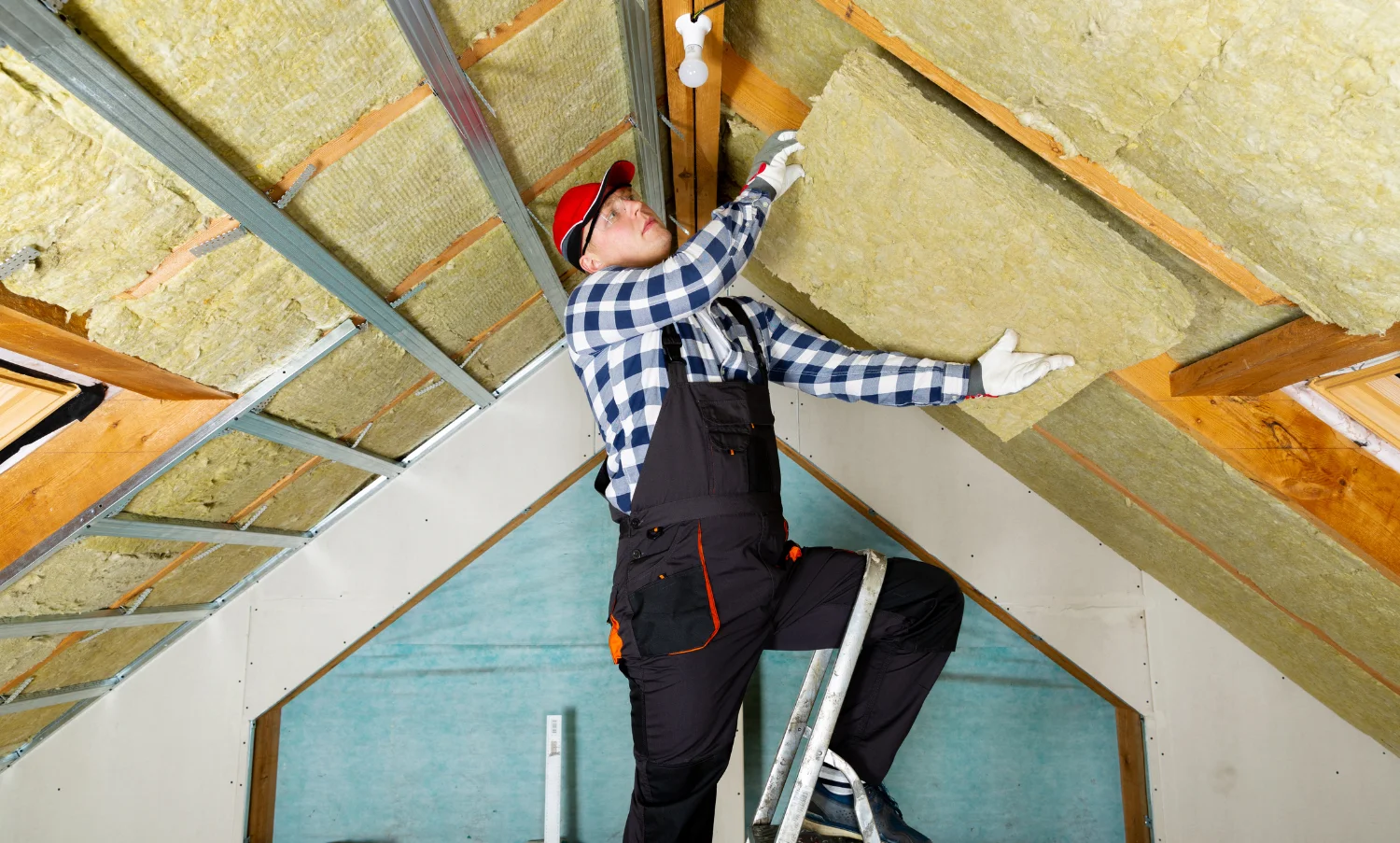
When converting an attic or creating a room-in-roof space, insulation becomes one of the most important elements of the entire build-up.
Unlike standard loft insulation laid across ceiling joists, sloping roof applications require insulation to be fitted neatly between rafters, where space is often restricted and thermal performance must be achieved without compromising the usable room area.
In these situations, the goal is to create a continuous insulated envelope that follows the pitch of the roof.
This helps to prevent heat loss through the roof structure while also ensuring the space remains comfortable throughout the year.
Without the right insulation, attic rooms can quickly become too cold in winter and uncomfortably warm in summer, making them less practical as living spaces.
A reliable solution for this type of application is Metac Isover Acoustic & Thermal Insulation Roll.
Designed for versatility, it fits well between rafters and within roof build-ups, making it suitable for both new attic conversions and renovation projects where existing roof structures are being upgraded.
Its roll format allows for easier handling and installation in awkward or confined roof spaces, which is often a key challenge when working at height or within pitched roofs.
This insulation is particularly well suited to projects such as attic conversions, dormer extensions, and pitched roof upgrades where maintaining internal room dimensions is important.
Because it is designed to work within the roof structure itself, it helps preserve valuable floor and head space, avoiding the need for overly thick internal build-ups that can reduce the usability of the room.
In addition to thermal performance, it also contributes to improved acoustic comfort within roof spaces, helping to reduce external noise transfer such as rain impact or wind exposure.
This can make a noticeable difference in creating a quieter, more comfortable living environment in rooms located directly under the roof.
5. Ceilings where soundproofing matters
Insulation isn’t always just about keeping heat in — in many homes, one of the biggest improvements comes from reducing unwanted noise while also improving thermal comfort.
Ceilings, in particular, can be a weak point for both sound transfer and heat loss. In multi-storey homes, timber floor constructions, and older properties, noise from footsteps, voices, or general movement can easily travel between floors.
At the same time, poorly insulated ceiling voids can allow warmth to escape into unheated roof spaces, reducing overall efficiency.
Adding the right insulation within ceiling structures helps address both of these issues at once. By filling the void between joists, insulation helps absorb sound vibrations while also creating an effective thermal barrier above the living space.
A highly effective solution for this type of application is Rockwool Thermal Loft Insulation.
Designed specifically for lofts, ceilings, and roof spaces, this mineral wool insulation provides excellent thermal performance while also delivering strong acoustic benefits.
Its dense fibre structure helps reduce airborne sound transfer between floors, making it ideal for bedrooms, upstairs living spaces, and family homes where noise control is important.
Its flexible and easy-to-handle format allows it to fit neatly between ceiling joists, helping to minimise gaps that could otherwise reduce insulation effectiveness.
This makes installation straightforward while ensuring consistent coverage across the ceiling area.
This type of insulation is especially well suited to upstairs ceilings, loft floors, and renovation projects where improving both warmth and acoustic comfort is a priority.
When installed correctly, it can make a noticeable difference to everyday comfort by creating quieter rooms and a more energy-efficient home.

How to choose the right insulation
Choosing insulation is much easier when you break it down into a few simple decisions.
Before buying, ask yourself:
✔ Which part of the house am I insulating?
Lofts, floors, stud walls, and roof spaces all behave differently. A loft is mainly about heat loss rising upwards, floors are about cold coming from below, and internal walls are often more about sound control than temperature. Identifying the area first immediately narrows down the right type of insulation.
✔ Is heat loss or soundproofing the main concern?
Some products are designed mainly for thermal efficiency, while others also offer strong acoustic benefits. In bedrooms, ceilings, and stud walls, sound reduction can be just as important as warmth. In roofs and floors, thermal performance usually takes priority.
✔ How much installation depth do I have?
Space often dictates the best choice. Renovations especially can have tight constraints, where you need high performance without adding too much thickness. In these cases, slim but efficient insulation can be more effective than simply going thicker.
✔ Is this a new build, renovation, or retrofit?
New builds allow insulation to be designed in from the start, giving more flexibility. Renovations and retrofits often require working around existing structures, which can influence whether you use rolls, slabs, or rigid boards.
Quick insulation guide by area
|
Area of the Home |
Main Issue |
Recommended Product |
Key Benefit |
|
Stud Walls |
Heat loss between rooms & noise transfer |
Rockwool Flexi Insulation (Acoustic & Thermal) Mineral Wool / Metac Isover Acoustic & Thermal Insulation Roll |
Improves privacy, reduces sound, and boosts thermal comfort |
|
Between Ceiling Joists |
Heat escaping through loft/roof space |
Strong thermal barrier, reduces heat loss, easy to install and layer |
|
|
Floors |
Cold rising from below |
High thermal performance in slim profile, ideal for renovations |
|
|
Sloping Roofs / Attic Conversions |
Heat loss + limited roof space |
Maintains usable room space while improving year-round comfort |
|
|
Ceilings (Soundproofing Focus) |
Noise transfer between floors |
Reduces impact and airborne noise, improves privacy |
How to get the right insulation for your project every time
Insulation plays a much bigger role in the comfort and efficiency of a home than many people realise.
When each area is matched with the right product — whether that’s stud walls, floors, ceilings, or roof spaces — the difference in warmth, noise reduction, and overall energy performance can be significant.
The key is simply knowing what each space needs and choosing accordingly.
Once that’s clear, the rest of the project becomes far more straightforward and the results far more effective.
If you’re unsure which insulation is best for your project, you don’t have to figure it out alone.
Our team of experts can help you choose the right materials based on your build type, application, and budget, ensuring you get the best possible performance from your insulation from the start.
-
 September 12, 2023