Irish Hot Water Systems Explained: Step-by-Step Homeowner Guide
Moving into a home in Ireland can feel slightly disorientating at first, particularly when it comes to heating and hot water.
It is often the one system people assume will be straightforward, until they are faced with timers on the wall, a hot press full of unfamiliar controls, and a boiler that behaves differently depending on the time of day.
Unlike more standardised systems in other countries, Irish homes use a mix of older and modern heating setups that have evolved over time rather than being replaced in a single national upgrade.
As a result, two neighbouring houses can operate completely differently.
One may have a modern combi boiler delivering instant hot water, while the next relies on an oil-fired system heating a stored cylinder that only provides hot water in cycles.
In some homes, both systems are partially present, with an immersion heater acting as a backup.
This variation is normal — but it is also the main reason new homeowners feel uncertain in the first few days after moving in.
The key to understanding everything is not technical knowledge, but recognising one simple principle: most Irish hot water systems operate in cycles, not continuously.
Once you understand that, everything else becomes significantly easier to interpret.
Step 1: Identify what type of system you have
The first step is simply understanding how your home produces hot water. Everything else depends on this.
There are two main systems in Ireland: instant systems (combi boilers) and stored systems (cylinders).
If there is no large hot water tank in the home — usually found in a hot press or airing cupboard — you most likely have a combi boiler.
These systems heat water on demand, meaning hot water is created the moment you turn on a tap.
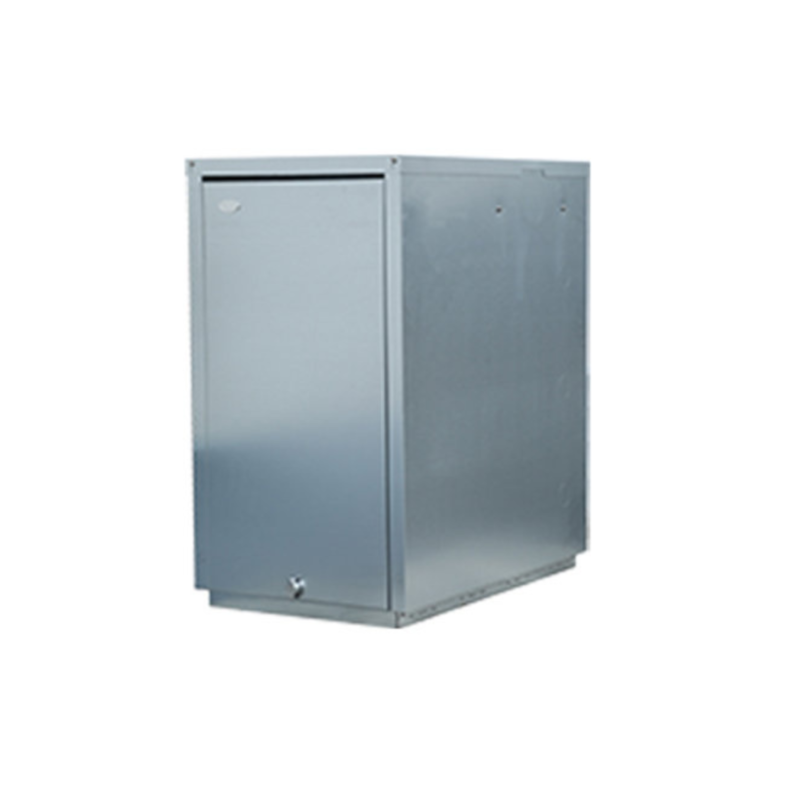
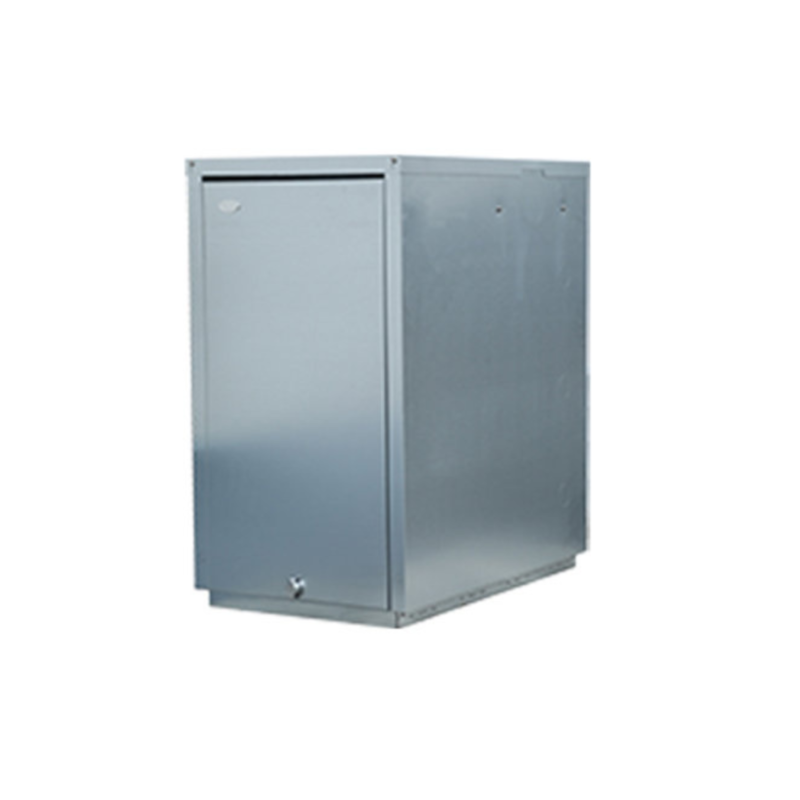
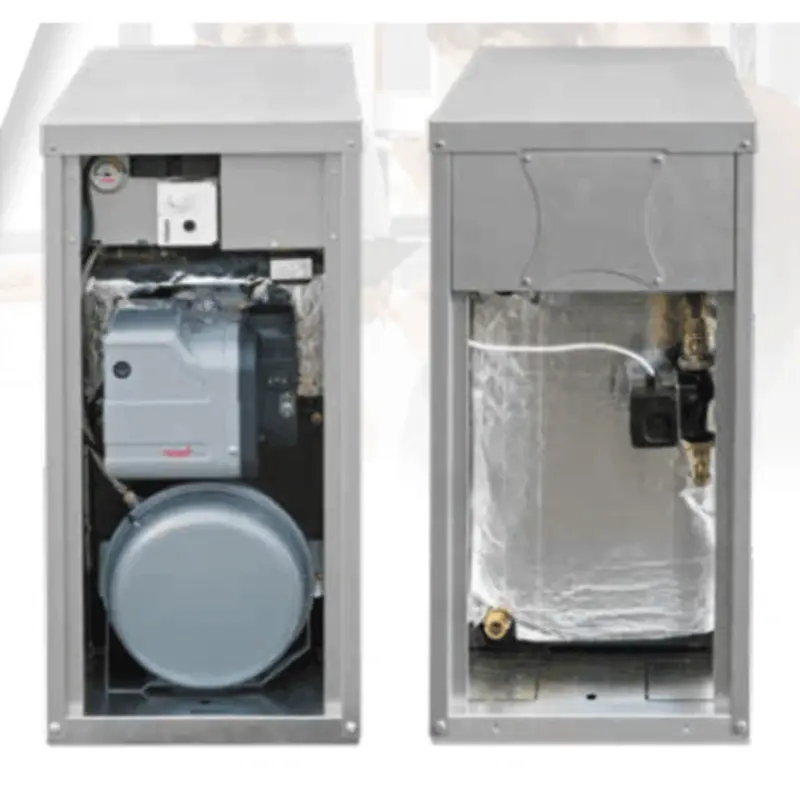
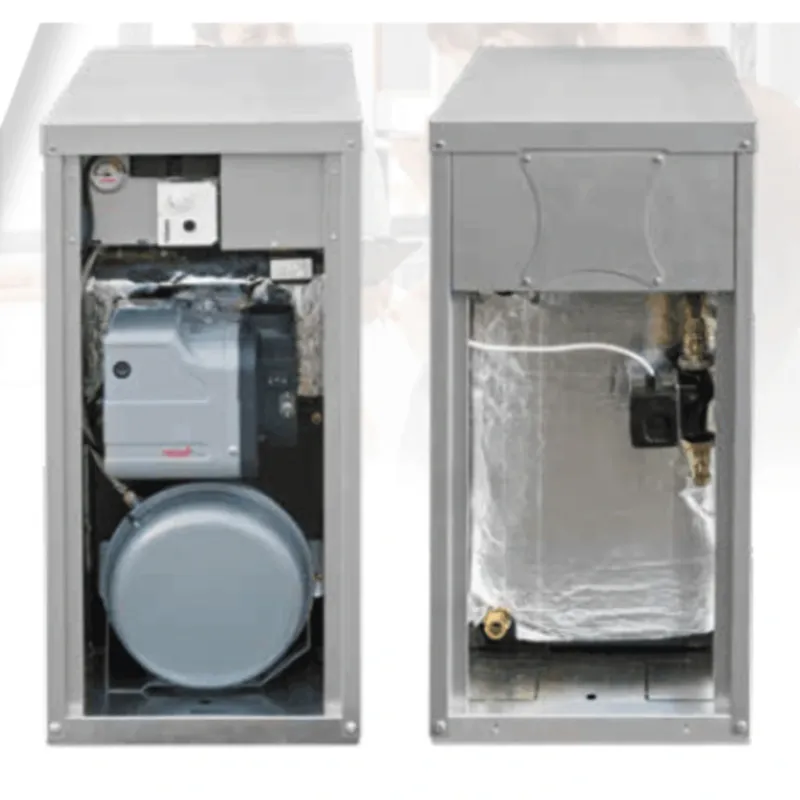
A system such as the Grant Vortex Combi Oil Boiler (outdoor) 36kW (120) works in this way, providing instant hot water without storage.
If you do find a large insulated cylinder, your home works differently.
In this case, hot water is heated and stored in advance, then used gradually throughout the day.
A system using a Stainless Steel Cylinder 300 Litre Single Coil is a typical example of this type of setup.
Neither system is “better” overall.
Combi systems prioritise convenience and instant supply, while cylinder systems prioritise higher capacity and multiple simultaneous uses.
The difference is simply how they deliver hot water, not whether one is superior.
It’s also worth noting that more modern homes may use air-to-water heat pump systems instead of traditional oil or gas boilers.
These systems typically still work with a hot water cylinder, meaning they follow the same stored-water principle.
The main difference is that they heat water more gradually and efficiently, usually operating at lower temperatures over longer periods.
While less common in older properties, they are becoming increasingly popular in newer builds and retrofit projects.
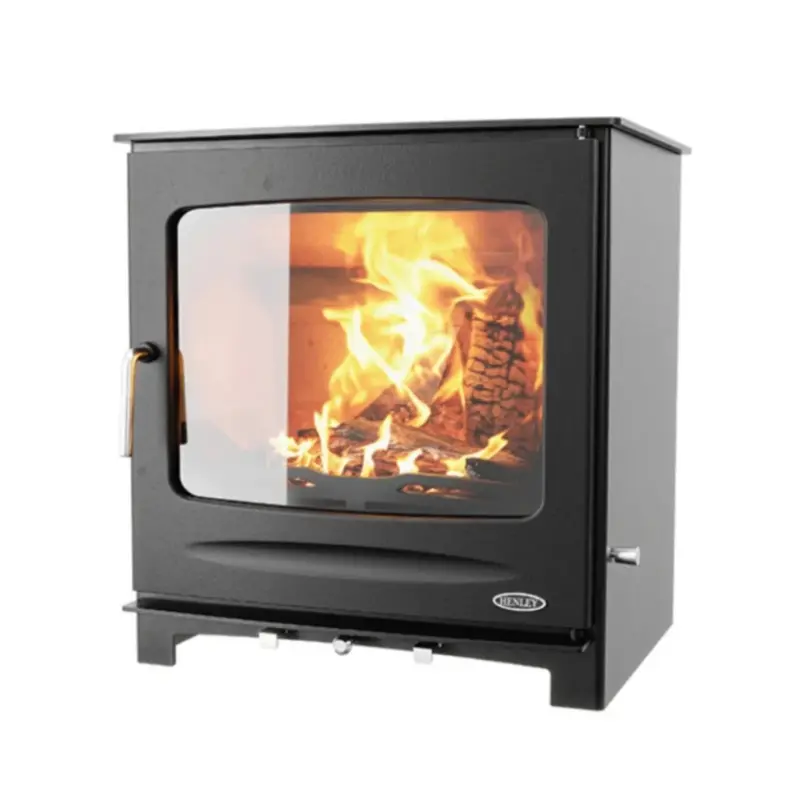
In some homes, particularly older or rural properties, hot water may also be supported by solid fuel systems such as boiler stoves.
These combine heating and hot water production in one appliance.
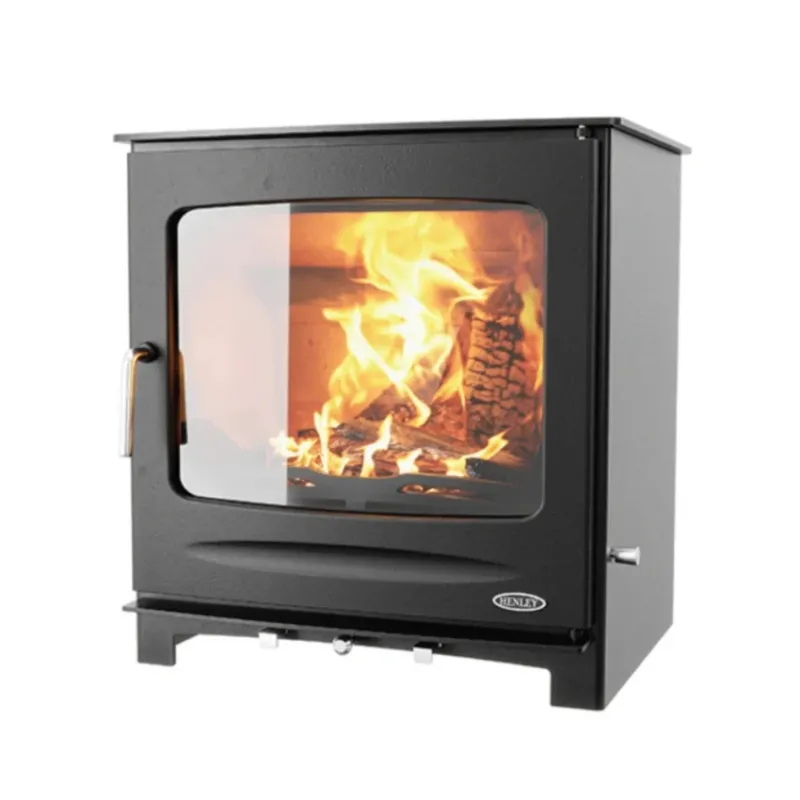
For example, the Stanley Erin Boiler Stove 20kW / 14.2kW or the Henley Sherwood Stove Eco Boiler 21kW can contribute to both radiator heating and hot water when integrated with a cylinder system.
-
- Firebird Slimline Boiler C26€1,815.00






Step 2: Locate your controls before changing anything
Once you know what system you have, the next step is finding how it is controlled.
In most Irish homes, the boiler does not decide when to operate.
Instead, heating and hot water are controlled by separate timers or programmers located elsewhere in the house.
These controls act as the schedule for your system.
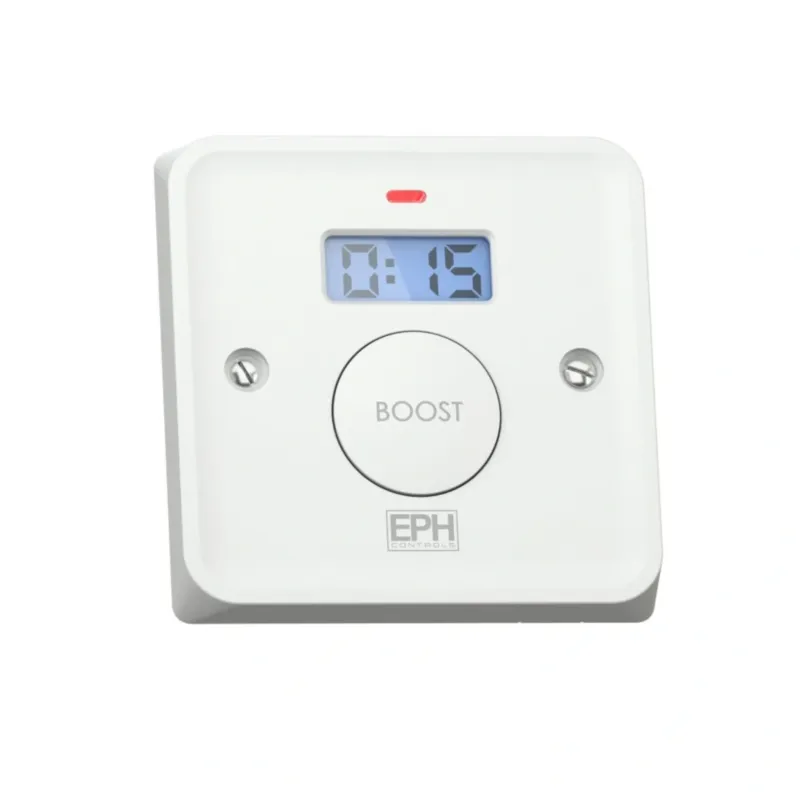
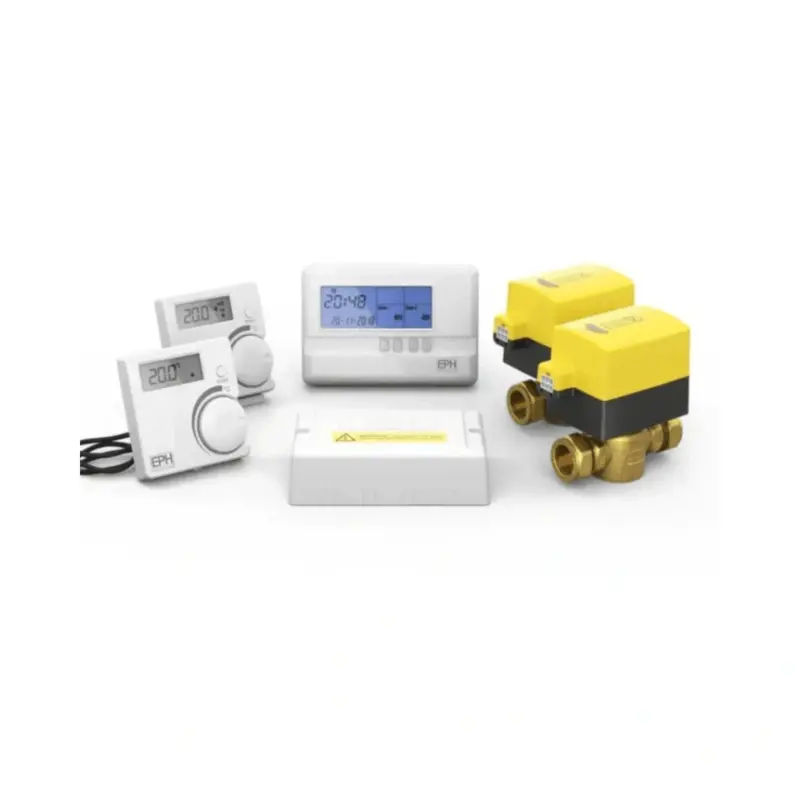
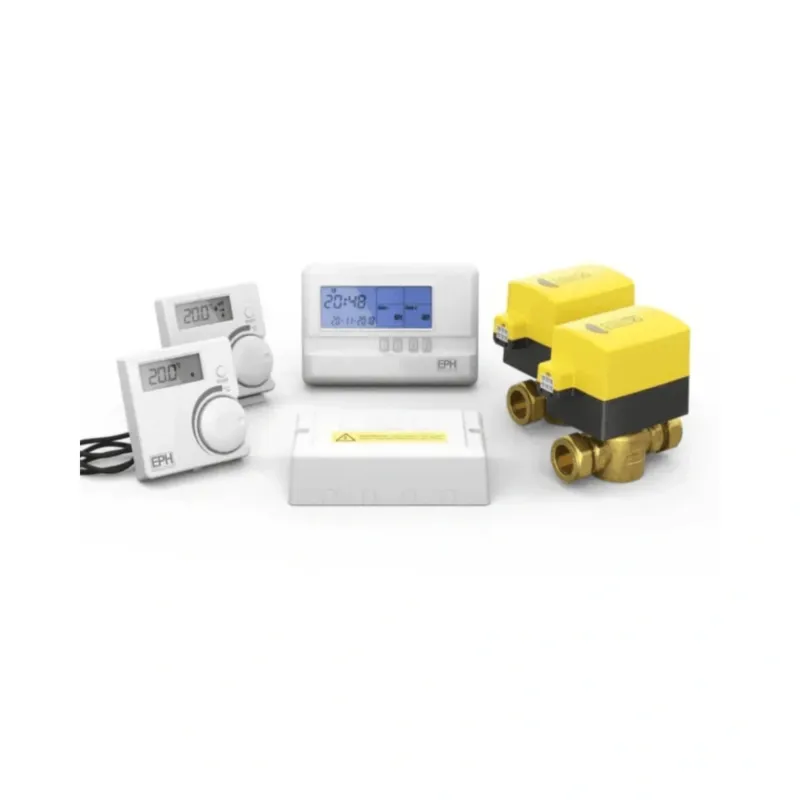
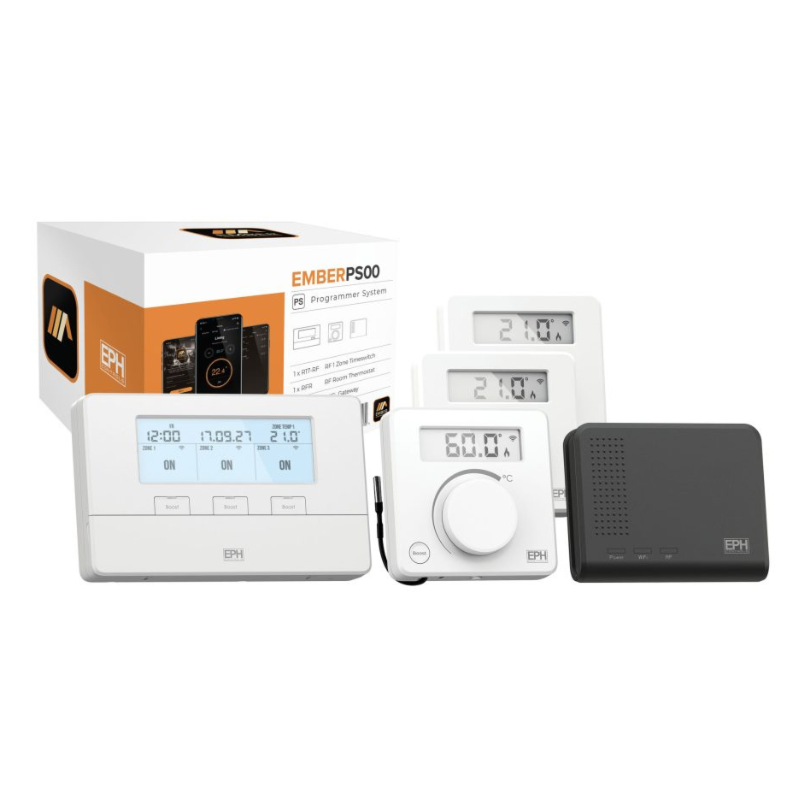
A basic example is the EPH R17 V2 - 1 Zone Digital Timeswitch, which controls heating or hot water on a simple timed basis.
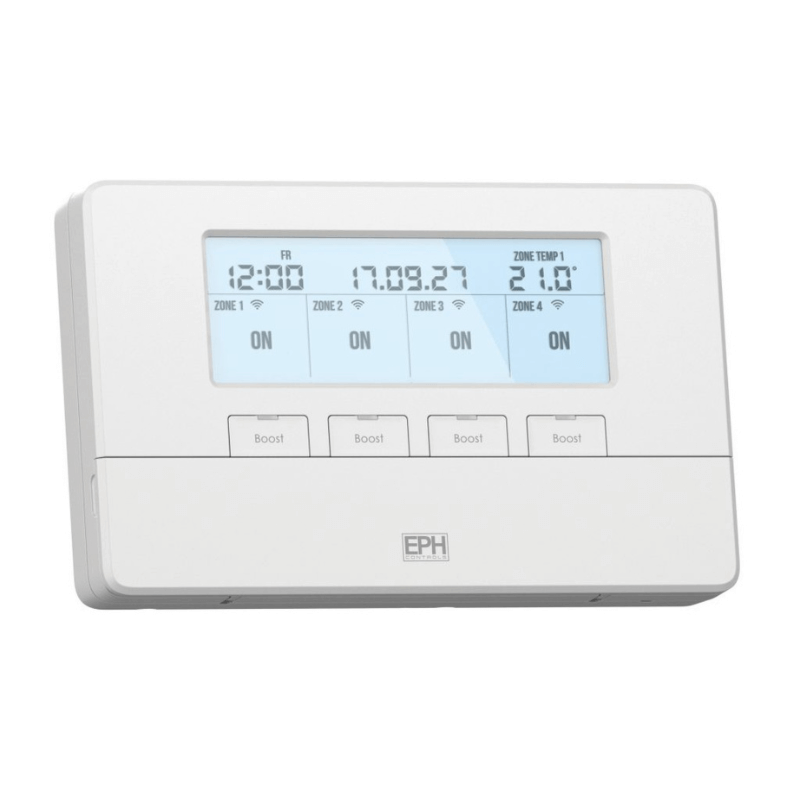
More advanced homes may use a EPH R37 V2 – 3 Channel Digital Programmer, which allows independent control of heating zones and hot water.
These devices determine when your system is allowed to run.
If the timer is not calling for heat, the boiler will remain off — even if everything else is working correctly.
This is one of the most common misunderstandings for new homeowners.
A lack of hot water is often assumed to be a fault, when in reality the system is simply outside its scheduled heating period.
For example, if the system is set to heat early morning and evening, there may be no hot water at midday or late at night.
This is normal behaviour, not a malfunction.
At this stage, the most important action is not changing anything, but understanding the existing schedule.







Step 3: Check whether your system is actually heating water
After identifying controls, the next step is confirming whether the system is currently producing heat.
If you have a cylinder system, hot water is produced either by the boiler or by an immersion heater.
The immersion is an electric backup located inside the tank and is usually controlled separately.
In many homes, it is operated by a device such as the Flash 24 Hour Immersion Time Clock 31110/2.
A very common scenario is moving into a home where hot water is available initially, then gradually disappears over time.
This often happens because the immersion was temporarily on or previously used, and has since been switched off or exhausted.
Once the stored heat is used, the cylinder will not provide hot water again until it is reheated.
At this point, homeowners often ask whether the immersion should be left on permanently.
In most cases, the answer is no.
It is designed as a backup rather than the main heating method, and continuous use can increase electricity consumption significantly.
Step 4: Understand how hot water actually behaves day to day
Once you understand how the system is controlled, the next step is recognising how it behaves in daily life.
In cylinder systems, hot water is not constant — it is cyclical.
The boiler heats the cylinder during set periods, usually morning and evening.
Between these times, hot water is stored and gradually used.
This means availability depends on two things: how much has been used and how long since the last heating cycle.
For example, after an overnight heating cycle, a system using a Stainless Steel Cylinder 200 Litre Single Coil from Joule will typically provide strong hot water in the morning.
As the day progresses and usage increases, that stored supply naturally reduces.
If demand is high, such as multiple showers or baths in a short period, the cylinder can run out before the next heating cycle.
This is expected behaviour, not a fault.
When this happens, the system simply needs time to reheat.
The boiler fires, transfers heat into the cylinder, and restores the stored supply.
In oil-fired systems such as the Grant Vortex Boilerhouse Oil Boiler 90-120 (26kW-36kW), recovery time depends on boiler size, cylinder capacity, and household demand.
- 1360 litres Platinum Oil Tank€376.47



Step 5: Managing interruptions and low hot water
Once you understand the cycle, the next step is managing the occasional disruption.
If hot water is low or unavailable, the first check should always be timing.
If the system is outside its programmed heating period, the cylinder may not have reheated yet.
If timing is correct but there is still no hot water, the next step is identifying the heat source.
If the boiler is not firing, the system may be relying on immersion heating or not operating correctly.
In oil-heated homes, fuel supply should also be checked.
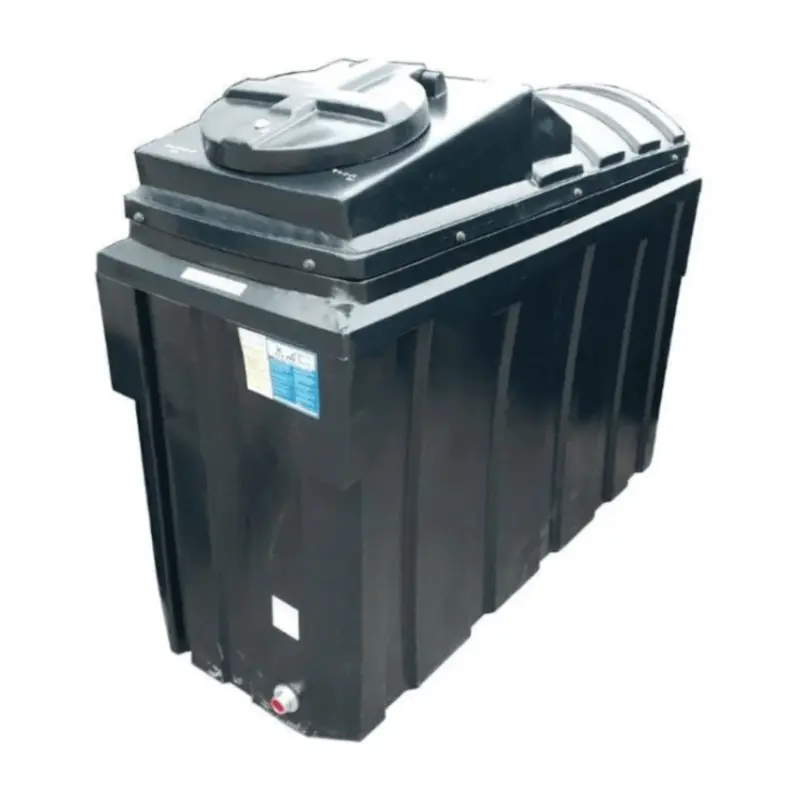
A system using a tank such as a Slim Oil Tank 650 Litres will stop working entirely if oil levels are low.
A common misconception is that increasing thermostat settings will fix hot water issues.
In reality, thermostats do not increase capacity — they only affect how quickly water is heated.
Step 6: What “normal behaviour” actually looks like
At this stage, most homeowners begin to recognise patterns.
Hot water follows a predictable cycle: it is heated, stored, used, and then reheated.
Nothing is continuous.
After a full heating cycle, a system such as the Stainless Steel Cylinder 200 Litre Single Coil from Joule will provide strong hot water in the morning.
As usage increases, supply naturally reduces until the next heating cycle restores it.
It is completely normal for hot water to run out in stored systems.
This simply means the cylinder has been used and needs reheating.
Once this is understood, the system becomes predictable rather than confusing.
Step 7: Adjusting expectations and improving control
The final step is adjustment, not technical change.
Hot water in Irish homes should be viewed as a stored, scheduled resource rather than a constant supply.
Once usage aligns with heating cycles, most issues disappear naturally.
Some homes benefit from improved control systems such as the EPH GW04 Dual Band RF and Wi-Fi Gateway, which allows more flexible scheduling.
In other cases, simply adjusting usage timing is enough.
Most importantly, full system replacement is rarely required.
In the majority of cases, issues come down to timing and understanding rather than equipment failure.
Final understanding
By following these steps in order, the system becomes far easier to understand.
You identify the type of system, locate the controls, confirm how heat is generated, understand the daily cycle, manage interruptions, and finally adjust how you use it.
Once this structure is clear, what initially feels confusing becomes predictable.
Irish hot water systems are not designed to be complicated.
They are designed around storage, efficiency, and timed operation — often built up over time rather than standardised in a single modern format.
The key is simply learning to work with the system rather than against it.
If you are unsure about what system you have or why it is behaving the way it is, it is always worth getting expert advice rather than guessing.
Small adjustments to timers or controls can make a significant difference when done correctly.
If you need help understanding your setup or improving performance, you can contact us for expert guidance — we can help you identify exactly what you have and how to make it work properly day to day.
-
 September 03, 2025