Retaining walls planning permission in Ireland
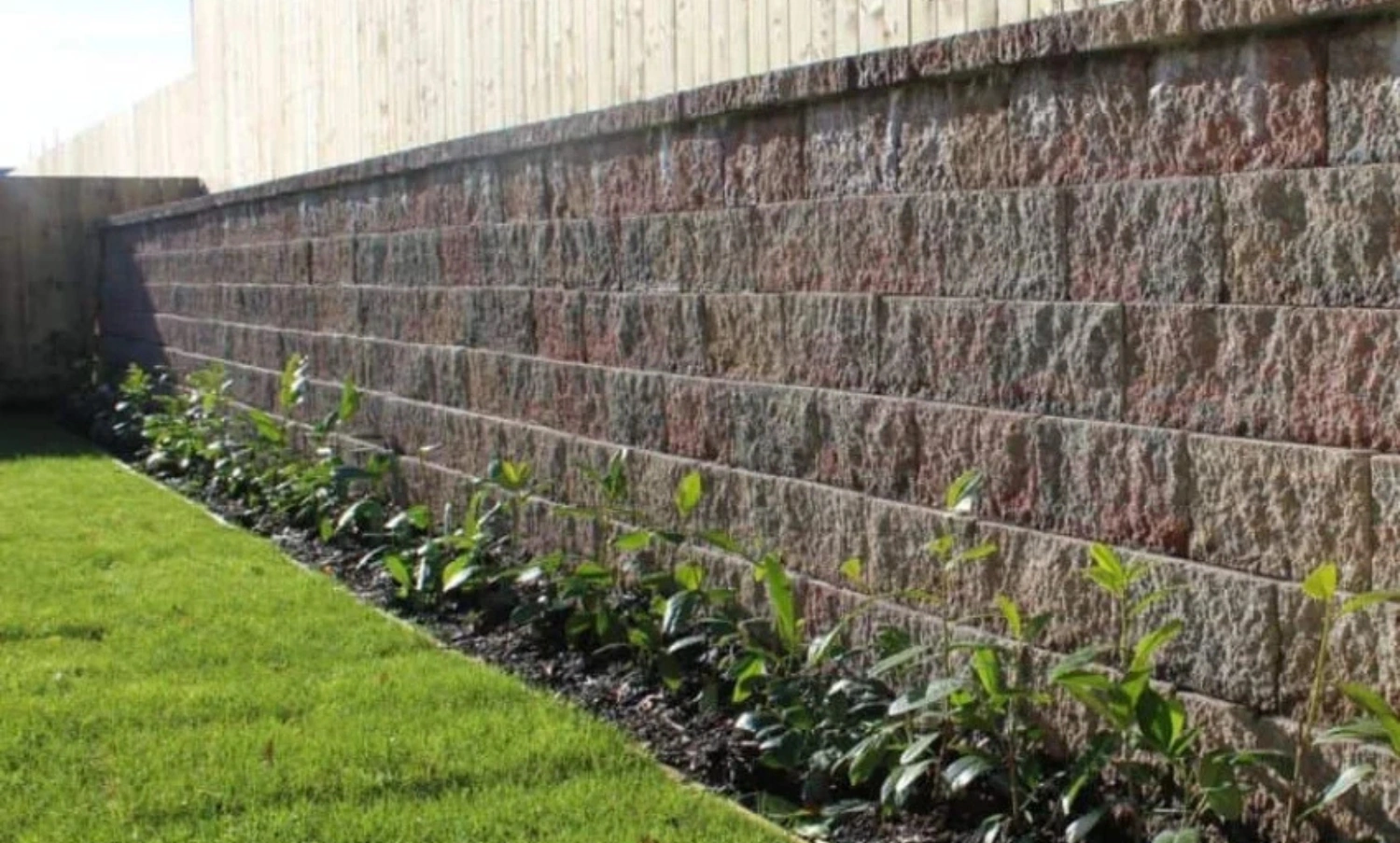
Building a retaining wall is a common way to level a garden, manage sloped ground, or create usable outdoor space.
However, before starting any project, it’s important to understand when planning permission is required in Ireland.
The rules are set out in Irish planning law, but the good news is that many domestic retaining walls fall under exempted development.
The legal basis in Ireland
Planning permission in Ireland is governed by a combination of primary legislation and supporting regulations.
Together, these set out what requires planning permission and what is classed as exempted development.
The two key legal documents are:
- Planning and Development Act 2000
https://www.gov.ie/en/service/planning-permission/
This Act provides the overall legal framework for planning in Ireland.
It establishes the requirement that all development of land and property generally requires planning permission unless it is specifically exempted under regulations.
- Planning and Development Regulations 2001 (S.I. No. 600/2001)
https://www.irishstatutebook.ie/eli/2001/si/600/made/en/print
These regulations set out in detail what types of works are considered exempted development.
This includes specific rules around domestic construction, boundary treatments, and small-scale works such as garden walls and retaining structures.
In simple terms, the Act sets the overall rules, while the Regulations define the practical exemptions that most homeowners and builders rely on.
One of the most important concepts introduced in the Regulations is “exempted development”, which refers to works that can be carried out without requiring formal planning permission, provided they comply with certain conditions such as height limits, location, and impact on neighbouring properties.
Local authorities apply these regulations when assessing whether a proposed retaining wall or similar structure requires planning permission.
When planning permission is usually NOT required
In most domestic garden situations, retaining walls are considered exempted development in Ireland, meaning they do not require formal planning permission—provided they meet specific conditions set out in the Planning and Development Regulations.
Under Irish planning exemptions (S.I. 600/2001), walls and similar garden structures are generally exempt where the following conditions are met:
- The structure is not higher than 2 metres (where it is not located adjacent to a public road) -This applies to most rear and side garden retaining walls. Once a wall exceeds this height, it is more likely to be considered development that requires planning permission.
- It is not higher than 1.2 metres if it fronts a public road - Stricter limits apply where a wall is visible from or adjacent to a public roadway, as visual impact and road safety considerations become more important.
- It does not significantly alter drainage or negatively impact neighbouring properties - Even if a wall is within height limits, issues such as redirected surface water, blocked natural drainage, or changes in ground levels affecting adjacent land can bring a project under planning scrutiny.
- It forms part of normal domestic use of a property - This typically includes garden landscaping, boundary definition, raised beds, or small-scale terracing within a private residential garden.
In practical terms, this means that many typical residential retaining walls—such as those used to level a garden, create seating areas, or support planting beds—can be constructed without applying for planning permission, as long as they remain within the exemption limits and do not cause wider environmental or neighbour impacts.
It is also important to note that councils will consider the overall impact of the structure, not just height alone.
Factors such as visibility, proximity to boundaries, and changes to ground levels can all influence whether a project remains exempt.
For this reason, even when a retaining wall appears to fall within exempt limits, homeowners are advised to assess the full site conditions carefully before starting work.
When planning permission may be required
Even where a retaining wall seems straightforward, there are several situations where planning permission may be required.
This is particularly important where the project goes beyond typical small-scale garden works or where it may have wider environmental or visual impacts.
You may need planning permission if:
- The wall exceeds the exempt height limits
If a retaining wall is higher than 2 metres in rear or side gardens, or higher than 1.2 metres where it fronts a public road, it will generally fall outside exempted development rules and require planning permission. - It forms part of a larger structural landscaping change
Projects that significantly re-shape a site—such as terracing steep ground, creating multi-level gardens, or extensive excavation and backfilling—may be considered a material change to the site layout and therefore require permission. - It significantly alters ground levels or drainage patterns
Retaining walls that redirect surface water, change natural runoff, or could increase flooding risk to neighbouring properties are more likely to be assessed as requiring planning approval. Drainage impact is a key consideration for Irish planning authorities.
- It could impact adjoining properties or boundaries
Even if height limits are not exceeded, walls built very close to boundaries, especially where they change ground support or reduce light, may raise concerns from neighbouring property owners or planning authorities. - It is located in a sensitive or restricted planning area
Additional controls may apply in areas such as: - Architectural Conservation Areas (ACAs)
- Protected Structures and their curtilage
- Designated scenic or rural landscape areas
- Certain coastal or environmentally sensitive zones
In these locations, even smaller retaining walls may be assessed based on visual impact, material choice, and effect on the character of the area rather than height alone.
In practice, planning authorities consider both the scale of the structure and its wider impact, not just whether it meets a single measurement threshold.
If there is any uncertainty, or if the project is close to exemption limits, it is always safest to confirm requirements with your local authority before starting work.
For example:
- Dublin City Council Planning Guidance:
https://www.dublincity.ie/residential/planning
Similar planning departments exist in all other counties across Ireland, such as Cork County Council, Galway County Council, etc.
Do these rules change for old stone cottages?
Many retaining wall projects in Ireland are carried out at or around older cottages, particularly traditional stone or rural homes.
While the same national planning laws still apply, there are some important additional considerations that can affect how your project is assessed.
Protected structures
If an old cottage is listed as a Protected Structure, any external works that could affect its character or setting may require planning permission—even if the work would normally be considered exempt.
This can include:
- Changes to ground levels
- New boundary or retaining walls near the building
- Alterations that affect the visual appearance of the property
Check status via local authority planning registers.
For example:
https://www.dublincity.ie/residential/planning
Architectural Conservation Areas (ACAs)
If the property is within an Architectural Conservation Area, additional controls may apply. Councils may place emphasis on:
- Visual impact
- Materials used
- Impact on character of the area
Even smaller retaining walls may be assessed more carefully.
Rural and traditional cottage settings
In rural Ireland, even exempt development may be reviewed more closely depending on:
- Visual impact in the landscape
- Changes to traditional setting
- Scale of ground level changes
What this means in practice
- Small domestic retaining walls are usually still exempt
- Height limits under S.I. 600/2001 still apply
- Context and setting can influence how works are viewed
Moving from regulations to construction choices
While planning rules and site context (such as older cottages, rural settings, and conservation areas) help determine whether a project is permissible, they only form part of the decision-making process.
Once it is clear what is allowed on a site, the next step is focusing on how the retaining wall will actually be built.
This is where the choice of retaining wall system becomes important.
Different systems are designed to suit different ground conditions, load requirements, and installation methods.
Selecting the right solution ensures the wall is not only compliant where necessary, but also structurally sound, durable, and appropriate for the specific demands of the site.
Retaining walls vs boundary walls
It’s important to understand the distinction between a boundary wall and a retaining wall, as they serve very different purposes and are often treated differently when it comes to design, construction, and planning considerations.
Boundary walls
A boundary wall is primarily used to define the legal edge of a property.
Its main purpose is to:
- Mark property ownership lines
- Provide privacy and security
- Act as a visual or physical boundary between properties
Boundary walls are typically built on or near the legal boundary line and do not usually play a structural role in supporting soil or ground levels.
Retaining walls
A retaining wall, on the other hand, is a structural feature designed to:
- Hold back soil where ground levels change
- Prevent erosion or soil movement
- Create level areas in sloped gardens
- Support landscaped terraces or raised sections
Because retaining walls deal with ground pressure and structural load, they must be properly designed and built to ensure stability and long-term performance.
Key differences in practice
While both may appear similar visually, the key difference lies in function:
- A boundary wall defines space
- A retaining wall manages ground pressure and elevation changes
In many Irish gardens, the two functions can overlap—for example, a wall built along a boundary may also retain soil if the ground level differs between properties.
Why this matters for planning and construction
Even if a retaining wall is fully within your own garden boundary, it may still be subject to closer scrutiny than a simple boundary wall because:
- It carries structural load from soil pressure
- Failure can affect neighbouring properties
- It often involves changes to ground levels and drainage patterns
At greater heights, retaining walls may require more careful consideration of stability, drainage, and in some cases, engineering input.
This is why systems designed specifically for retaining applications—such as modular retaining wall solutions—are often preferred over standard blockwork for garden projects with level changes.
Drainage should never be overlooked
Irish weather conditions make drainage a critical part of any retaining wall project.
With frequent rainfall, saturated soils, and long wet periods throughout the year, poor drainage is one of the most common causes of retaining wall failure.
When water is not properly managed behind a wall, it builds up pressure in the soil.
This is known as hydrostatic pressure, and over time it can cause walls to bulge, crack, lean, or even collapse—regardless of how strong the materials are.
For this reason, drainage should always be treated as a core design feature, not an optional extra.
Good practice includes:
- A properly prepared sub-base
The foundation of any retaining wall must be solid, level, and well-compacted. A weak or uneven base can lead to settlement over time, which affects the alignment and structural integrity of the entire wall.
- Free-draining backfill material
The area directly behind the wall should not be filled with heavy clay or compacted soil. Instead, clean stone or gravel is used to allow water to move freely downwards and away from the structure, reducing pressure build-up.
- Allowing water to escape behind the wall where necessary
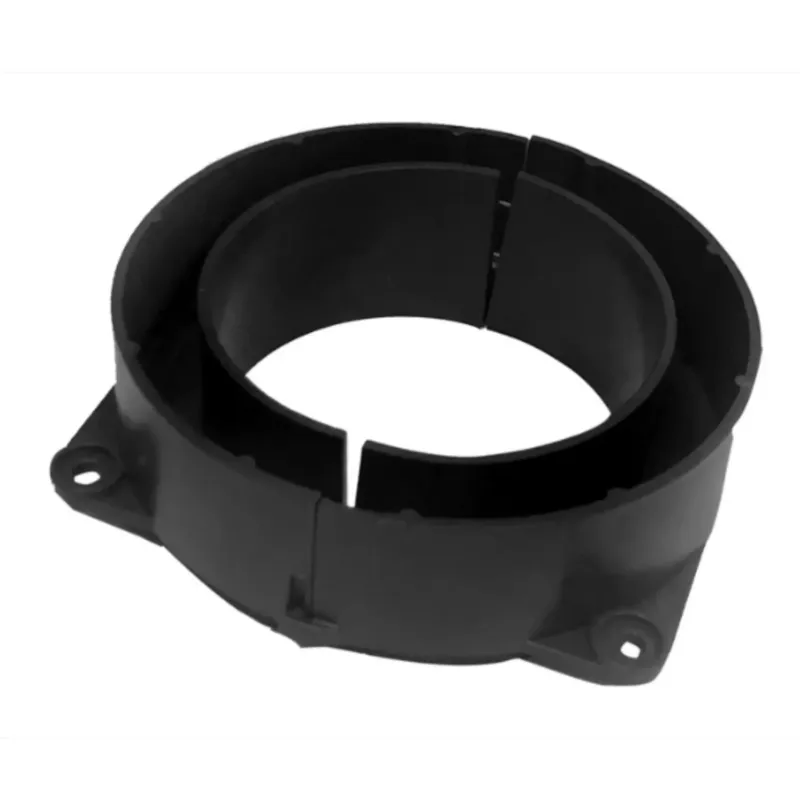
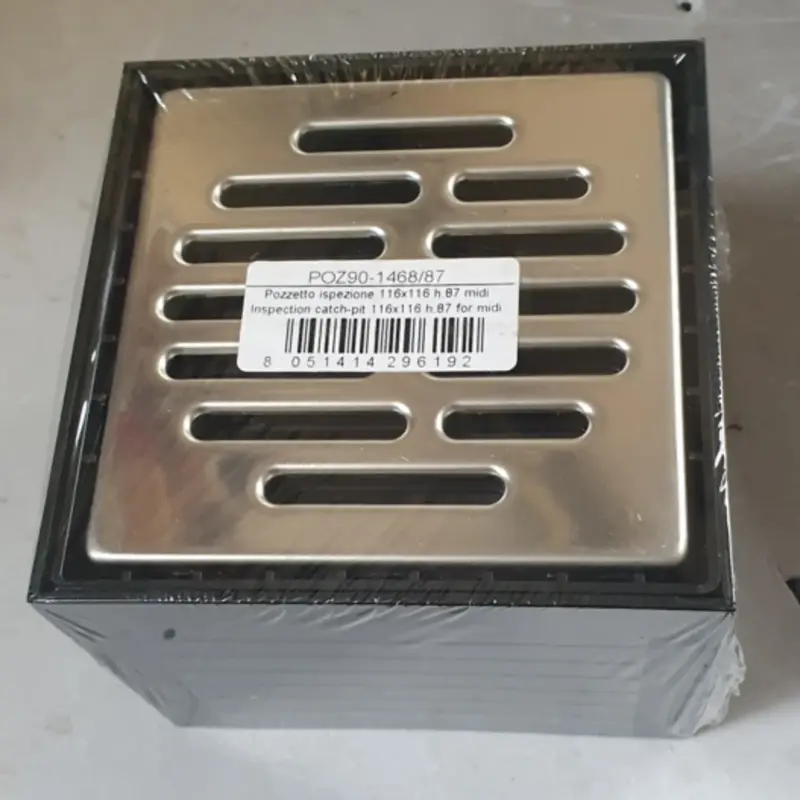
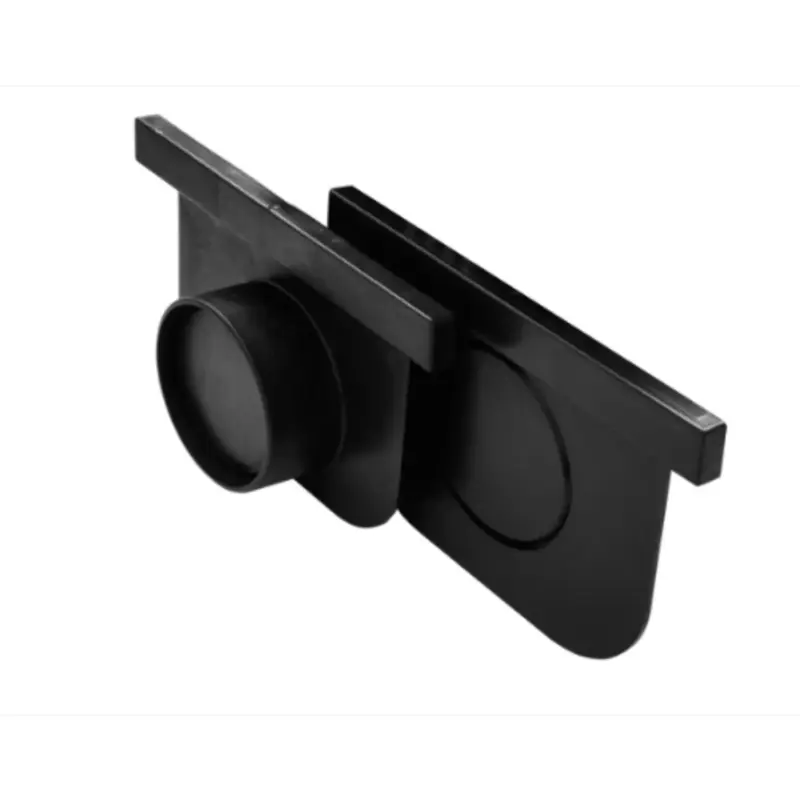
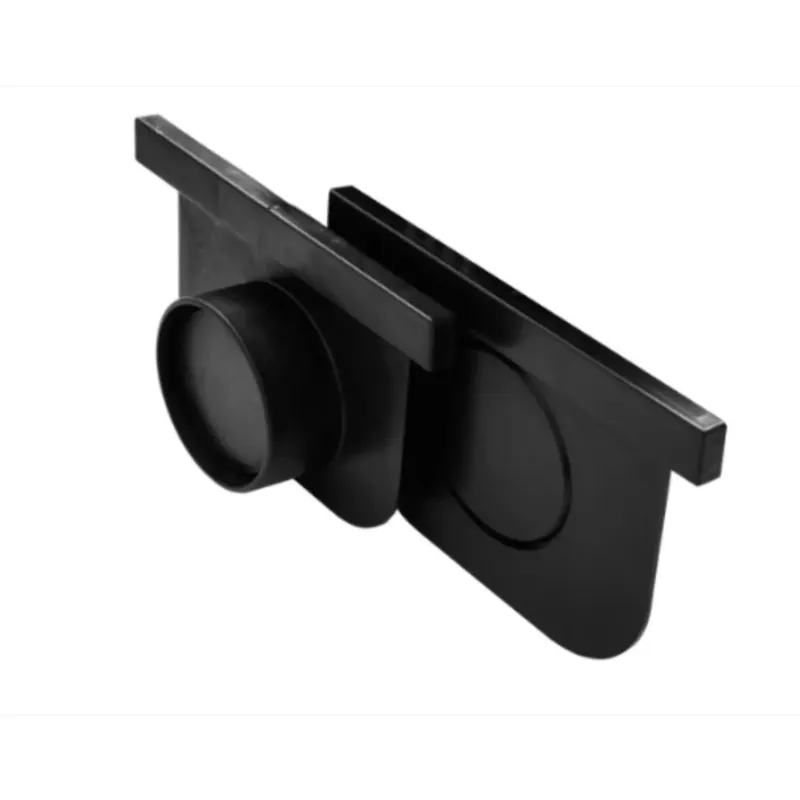
Drainage systems such as perforated pipes, drainage channels, or weep holes provide controlled escape routes for water. This ensures that water does not accumulate behind the wall during heavy or prolonged rainfall.
- Separation and filtration layers (where required)
In many installations, a geotextile membrane is used between soil and drainage stone. This prevents fine particles from clogging the drainage layer, helping the system remain effective long-term.
- Correct water direction and outlet planning
Where possible, water should be directed safely away from the wall into a natural fall, soakaway, or approved drainage point. Simply trapping water behind or near the structure significantly increases failure risk.
Even relatively small garden retaining walls can be affected if drainage is overlooked, especially in Ireland’s consistently wet climate.
In many cases, long-term performance depends more on drainage design than on the wall material itself.
This applies regardless of whether planning permission is required.






Choosing the right retaining wall system
The type of retaining wall system you choose can have a significant impact on both the performance of the structure and how easily the project fits within typical exempted development limits under Irish planning rules.
In general, modern engineered systems are designed to reduce complexity on site, improve stability, and provide more predictable performance compared to traditional blockwork solutions.
For smaller domestic projects
Smaller retaining walls are commonly used in everyday garden improvements such as landscaping, raised flower beds, edging, or minor level adjustments in residential gardens.
These types of projects benefit from systems that are straightforward to install and suitable for lower-height applications, particularly where speed and simplicity are important.
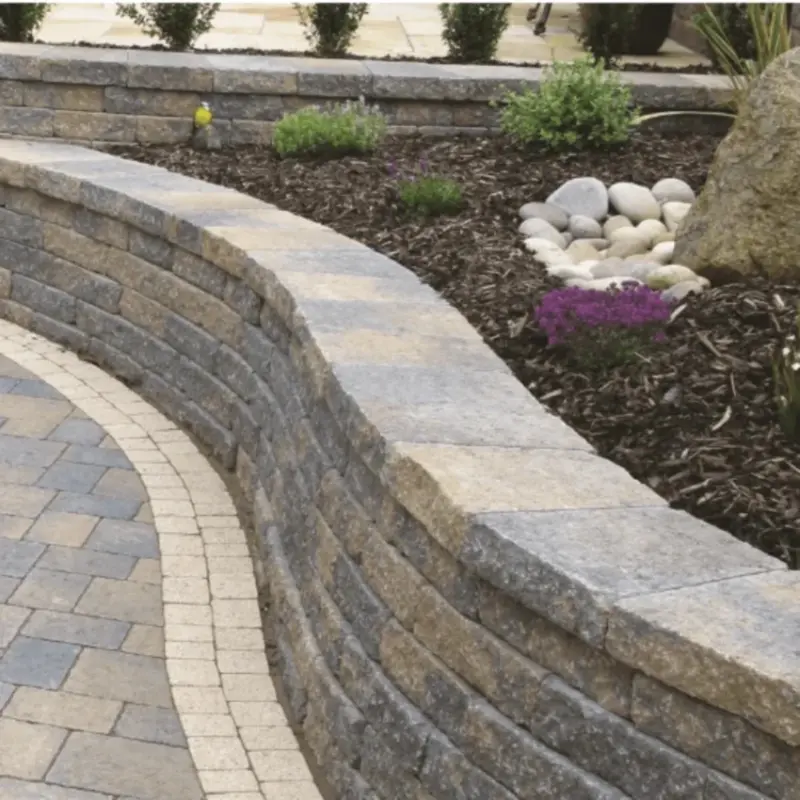
Systems such as Tobermore Secura Lite - Mortar Free Retaining Wall or Tobermore Garden Stone Tapered Wall Blocks are widely used in this context.
They are designed to provide a clean, consistent finish while simplifying installation compared to traditional mortar-built walls.
They are typically suitable for:
- Small garden retaining walls
- Raised beds and planting areas
- Light changes in garden levels
- Decorative landscaping features
Because these systems are generally used in lower-height applications, they often align well with projects that remain within standard planning exemption thresholds when designed correctly.
For larger or structural walls
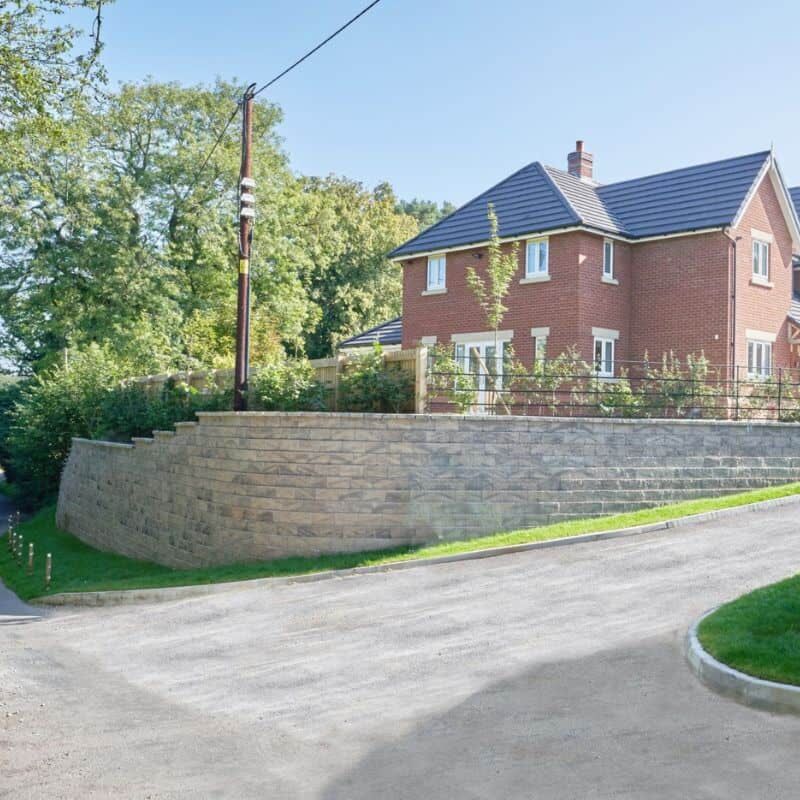
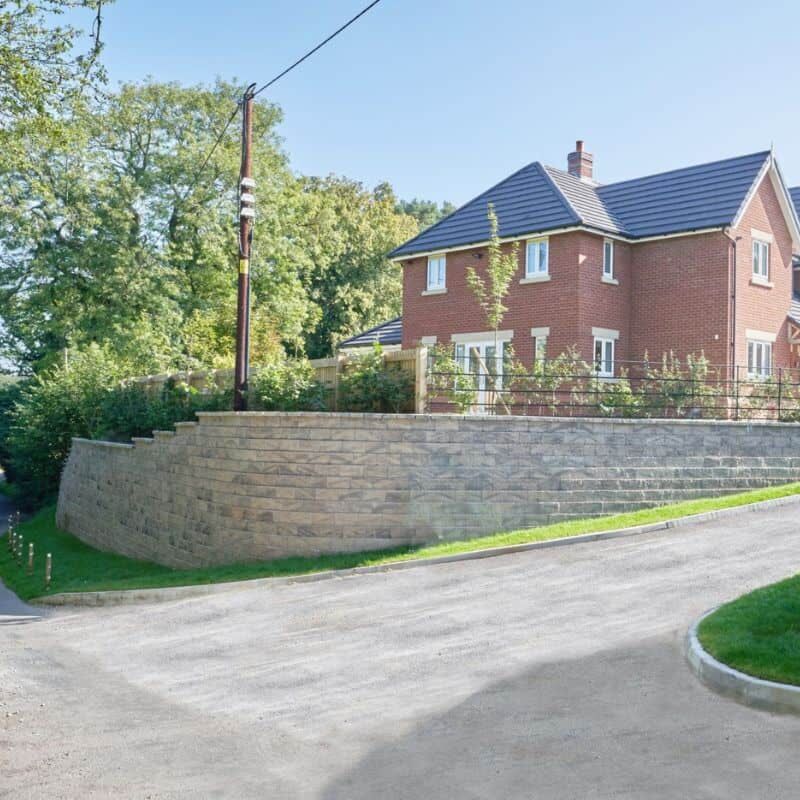
Where a retaining wall needs to support greater loads, manage steeper slopes, or retain significant volumes of soil, a more robust engineered system is required.
In these situations, systems such as Retaining Wall Tobermore Secura Grand are more appropriate due to their increased structural capacity and design strength.
These systems are commonly used for:
- Steep or challenging garden sites
- Multi-level terracing
- Larger landscaping or structural projects
- Situations where long-term stability is critical
Because of their scale and function, larger retaining wall systems may also require closer consideration of drainage design, structural stability, and in some cases planning requirements, particularly where height or site impact becomes significant.
Choosing the right system matters
Selecting the correct system is not just about appearance—it directly affects:
- Structural performance over time
- Ease of installation
- Suitability for ground conditions
- Likelihood of remaining within exempt development limits
Getting this decision right at the start of a project helps avoid unnecessary cost, redesign, or compliance issues later in the build process.
- Tobermore Secura Lite - Mortar Free Retaining Wall (33.6 Linear Metres per pack)€461.96 Regular Price €461.96
- Tobermore Garden Stone Tapered Wall Blocks (23.52 Linear Metres per pack)From €454.14 Regular Price €454.14
-


Finishing touches matter
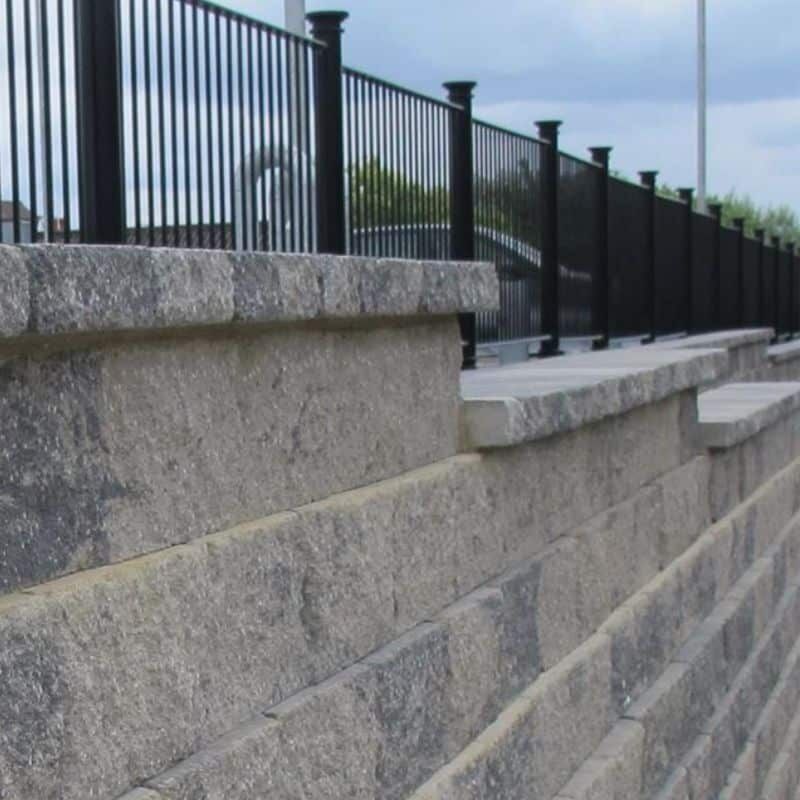
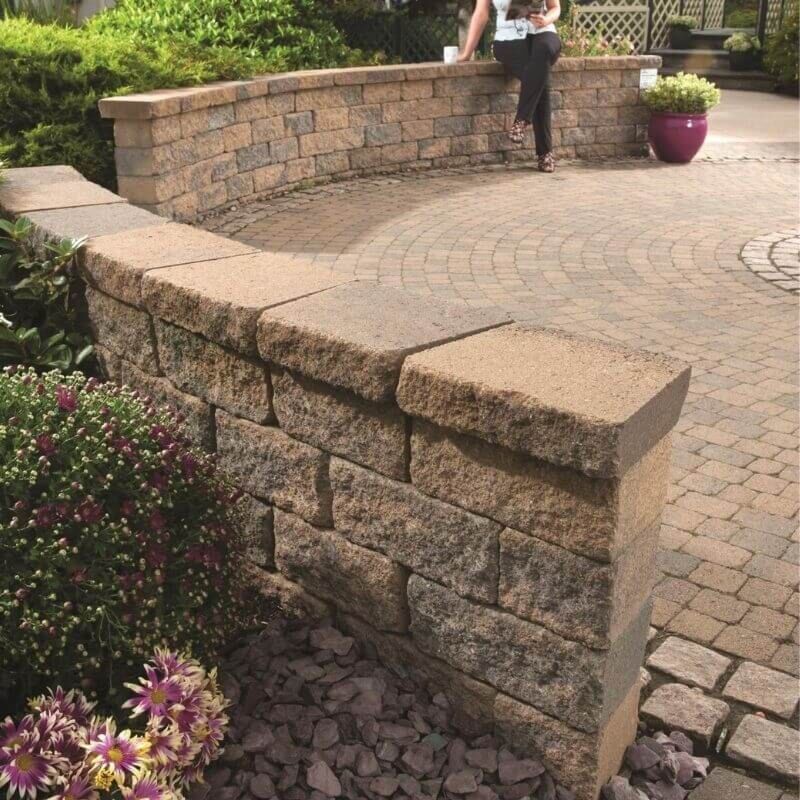
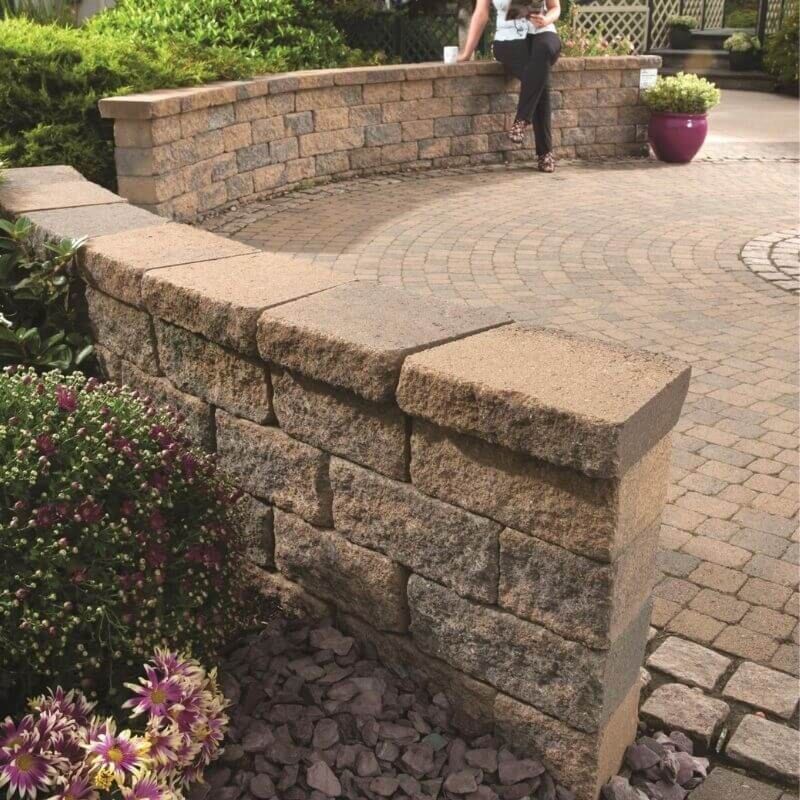
Coping stones are an important finishing element in any retaining wall system.
While they may seem like a simple detail, they play a significant role in both the performance and appearance of the finished structure.
Coping stones help to:
- Protect the wall from water ingress
Coping stones act as a protective cap on top of the wall, helping to shed rainwater away from the structure. In Ireland’s wet climate, this is especially important, as water penetration over time can weaken mortar joints, block cores, or the internal structure of the wall.
- Improve durability over time
By reducing the amount of water entering the top of the wall, coping stones help limit freeze-thaw damage during colder months and reduce long-term deterioration. This significantly extends the lifespan of the retaining wall.
- Provide a clean, finished appearance
Beyond their practical function, coping stones give the wall a neat, professional finish. They create a clear visual edge, hide construction joints, and help the wall blend more naturally into the surrounding garden or landscape design.
Why they matter more than people think
In many retaining wall failures, the issue doesn’t start at the base—it starts at the top. Without proper coping, water can slowly penetrate down into the structure over time, causing avoidable damage.
This is why coping stones should always be considered as part of the overall system, not an optional extra at the end of the project.
Matching the system
Coping stones are typically designed to complement specific retaining wall systems, ensuring:
- consistent dimensions
- proper overhang for water runoff
- a cohesive visual finish
For modular systems such as Secura Light, Secura Grand or Garden Stone ranges, matching coping options help ensure both structural protection and a uniform aesthetic across the finished wall.
Key takeaways
In Ireland, most small to medium domestic retaining walls can be built without planning permission if they comply with exemption rules under S.I. 600/2001.
However, older cottages, rural settings, and conservation areas may introduce additional considerations where context matters as much as height.
Useful official references
- Planning Permission Overview (Government of Ireland)
https://www.gov.ie/en/service/planning-permission/ - Planning and Development Regulations 2001 (S.I. 600/2001)
https://www.irishstatutebook.ie/eli/2001/si/600/made/en/print - Dublin City Council Planning Information
https://www.dublincity.ie/residential/planning
Disclaimer
This article is provided for general informational purposes only and should not be considered legal or professional planning advice.
We are not an official planning authority, legal body, or government entity.
Planning laws and regulations in Ireland, including those relating to exempted development, may change over time and can also vary depending on local authority interpretation and site-specific conditions.
While every effort has been made to ensure the information is accurate and up to date at the time of publication, we cannot guarantee that it will remain current or applicable in all situations.
Readers should always consult their local planning authority or a qualified professional before starting any construction project to confirm current requirements and obtain advice specific to their circumstances.