How to properly insulate your home
Ireland's climate is renowned for its unpredictability, with chilly winters and temperate summers being the norm.
This ever-changing weather can put a strain on your home's heating and cooling systems, leading to increased energy bills and a less comfortable living space.
Properly insulating your home is the key to maintaining a comfortable indoor environment while also reducing energy consumption and environmental impact.
So let's take a look at the importance of home insulation in Ireland and provide you with practical tips on how to insulate your home effectively.
The Importance of Home Insulation in Ireland
Before delving into the specifics of home insulation, it's essential to understand why it's so crucial here in Ireland.

- Energy Efficiency:
Ireland's harsh winters often result in high heating costs for homeowners. By insulating your home properly, you can significantly reduce the amount of energy required to keep it warm.
- Comfort:
Adequate insulation helps maintain a consistent indoor temperature, making your home more comfortable year-round. It prevents drafts, cold spots, and excessive heat loss.
- Environmental Benefits:
Reduced energy consumption leads to a lower carbon footprint. By insulating your home, you contribute to a more sustainable future and help combat climate change.
- Financial Savings:
Lower energy bills mean more money in your pocket. While the initial investment in insulation can be significant, the long-term savings are substantial.
So it really is a no brainer to have your home as insulated as well as is possible.
Let's explore the different areas of your home that require insulation and how to do it effectively.
1. Roof Insulation
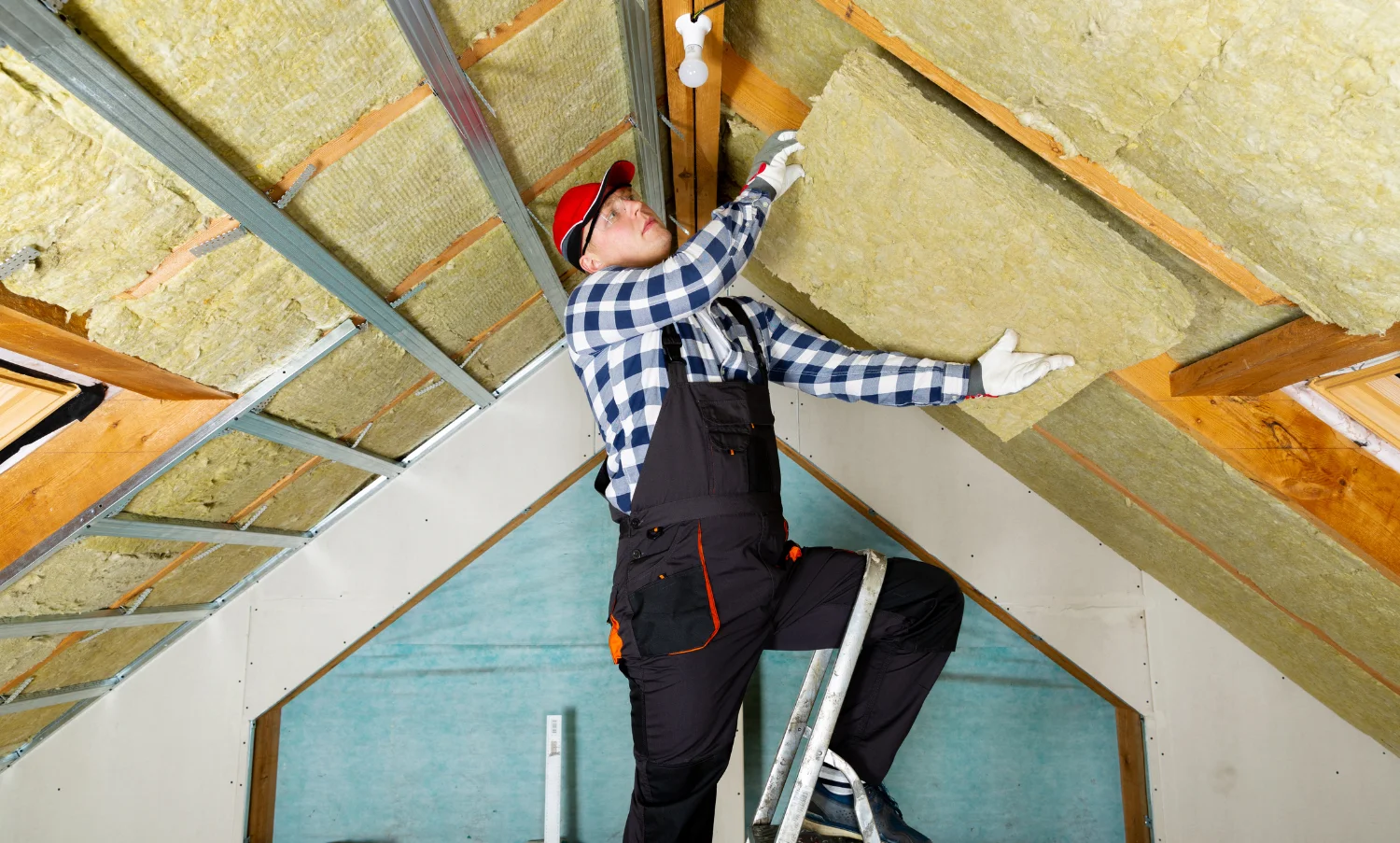
Roof insulation is one of the most critical aspects of insulating your home in Ireland. Heat rises, and without proper insulation in the attic, a significant amount of warmth can escape through the roof.
- Materials:
Common insulation materials for roofs include fiberglass, cellulose, and spray foam insulation. Choose an insulation material with a high R-value for better thermal resistance.
- Installation:
Insulation should be installed in the attic or loft space, ensuring it covers all areas and is sealed properly to prevent heat loss and drafts.
2. Wall Insulation
Wall insulation is essential for maintaining a consistent indoor temperature and reducing energy consumption.
- Materials:
Depending on the type of walls in your home (cavity walls or solid walls), you may use materials such as cavity wall insulation, external insulation, or internal dry lining systems.
- Installation:
Cavity wall insulation can be injected into the gap between the inner and outer walls. For solid walls, external insulation involves adding an insulating layer to the outside, while internal dry lining adds insulation on the inside.
3. Floor Insulation
Cold floors can make your home uncomfortable during the winter months, and insulating them can make a significant difference.
- Materials:
Common floor insulation materials include rigid foam boards, fiberglass, or mineral wool.
- Installation:
Floor insulation is typically installed beneath the floorboards or under the concrete slab, depending on your home's construction.
4. Window and Door Insulation
Windows and doors are potential weak points in your home's insulation, allowing drafts and heat loss.
- Materials:
Consider double-glazed or triple-glazed windows and doors with insulating frames to improve energy efficiency.
- Installation:
Replacing old, inefficient windows and doors with energy-efficient models can greatly enhance insulation. Additionally, you can use weather stripping and sealants to seal any gaps around them.
5. Insulation of Pipes and Radiators
Don't forget about insulating your heating system components.
- Materials:
Pipe insulation sleeves and radiator reflector panels are cost-effective solutions to reduce heat loss.
- Installation:
Wrap insulation sleeves around exposed pipes and install reflector panels behind radiators to reflect heat into the room.
6. Ventilation
While insulating your home is essential, it's equally crucial to maintain proper ventilation to prevent condensation and mold growth.
- Mechanical Ventilation:
Consider installing a mechanical ventilation system with heat recovery (HRV) or energy recovery (ERV) to ensure adequate fresh air circulation without losing heat.
7. Professional Assistance
For a comprehensive and effective insulation project, it's often best to seek professional assistance.
An energy audit or assessment from a qualified technician can help you identify specific insulation needs and recommend the most suitable materials and methods for your home.
Proper home insulation in Ireland is not just about staying warm during the winter but also about energy efficiency, comfort, and sustainability.
By addressing all the key areas of your home, you can create a well-insulated living space that benefits both your wallet and the environment.
So, don't wait—take steps to insulate your home properly and enjoy the rewards for years to come.
We have a massive range of insulation products and solutions and all the friendly help you could need too - so just get in touch anytime and we will be delighted to assist in any way needed.