Preparing for power cuts and storms in Ireland
When strong winds, heavy rain or unexpected electrical faults cause a power cut, everyday household routines can quickly become difficult.
From keeping the lights on to preparing meals and staying warm, there's a lot we rely on electricity for.
In Ireland, particularly during the autumn and winter months, severe weather can sometimes lead to widespread electricity outages.
While many power cuts are resolved quickly, others can last for several hours or even days, especially when storms damage electricity infrastructure.
Thankfully, being prepared doesn't have to be complicated or expensive.
Having a few essential supplies ready and knowing what to do before, during and after a power cut can make all the difference.
Whether you're getting ready for winter weather or simply want to be prepared for an unexpected outage, here's our practical guide to keeping your household safe, comfortable and informed.
1. Put together a home emergency kit
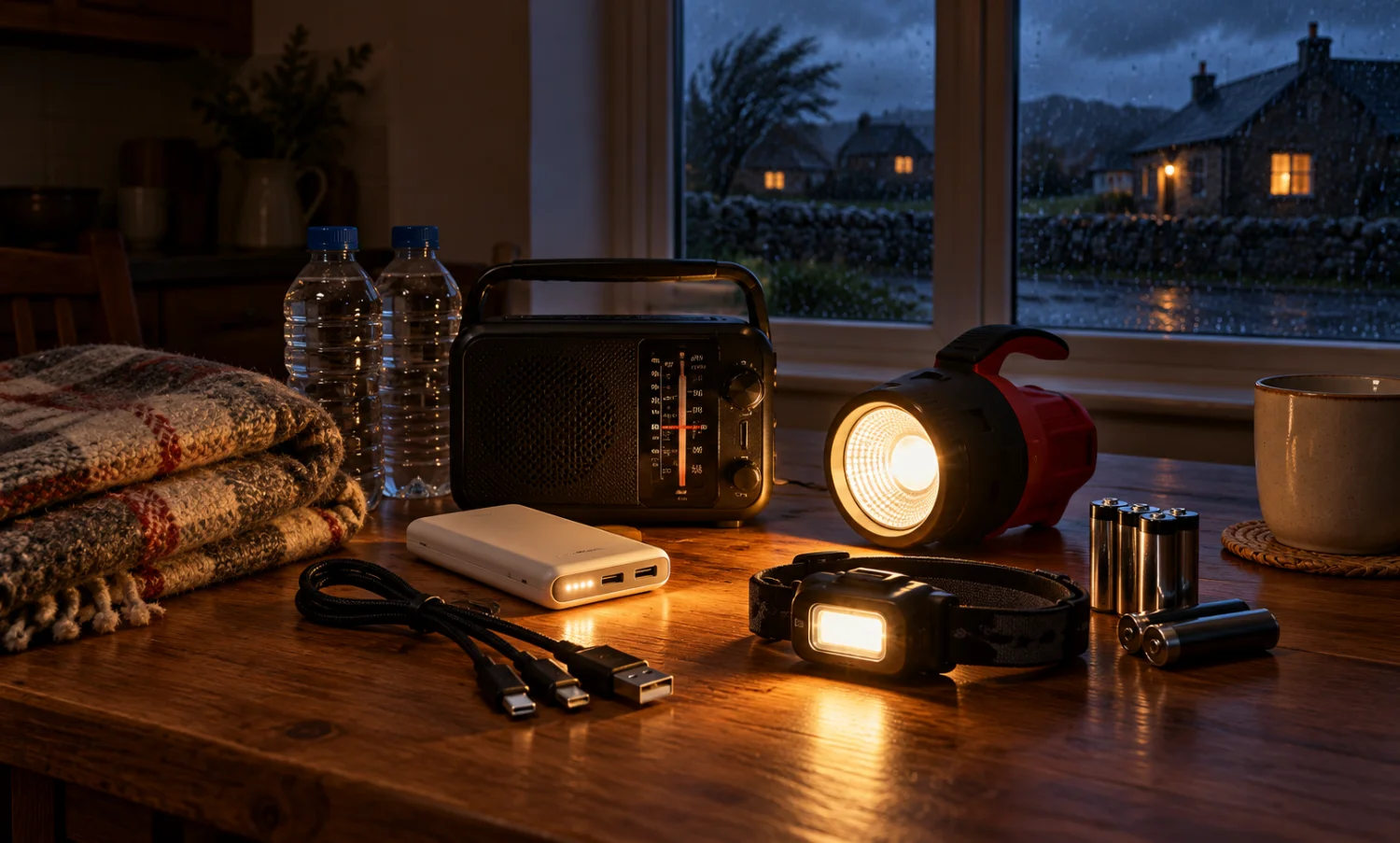
One of the simplest ways to prepare for an unexpected power cut is to keep a dedicated emergency kit somewhere easily accessible.
When the electricity goes out, particularly after dark, you don't want to be searching through cupboards for spare batteries or trying to find a torch using your phone's remaining battery.
Your home emergency kit should include:
- A reliable LED flashlight and spare batteries
- A headtorch for hands-free lighting
- A battery-operated radio
- A fully charged portable power bank
- Charging cables for your phone and other devices
- A basic first-aid kit
- Essential medication and personal supplies
- A written list of important emergency contact numbers
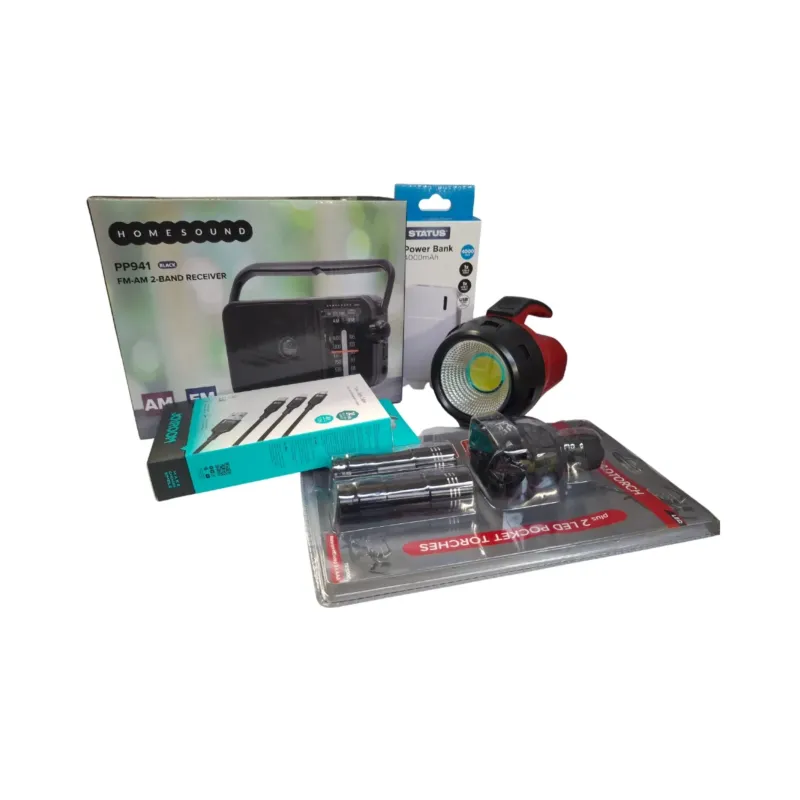
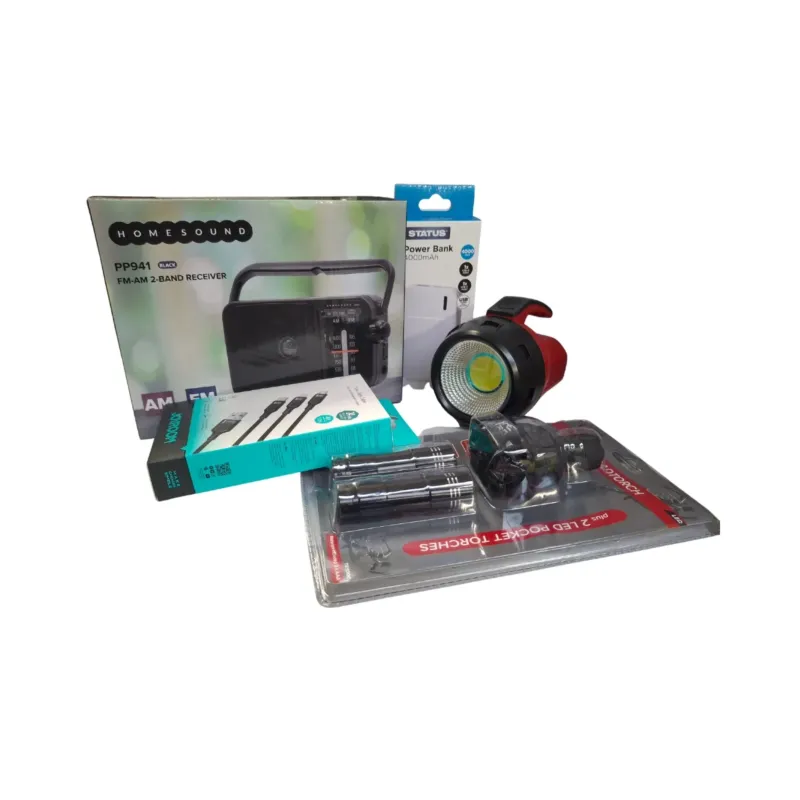
Our Winter Home Emergency Kit is a convenient starting point.
It brings together an AM/FM radio, LED torch, LED headtorch, batteries for both lights, a 4,000mAh power bank and a 3-in-1 charging cable.
Rather than gathering everything separately when an outage happens, you can keep these essentials together in one place.
Tip: Store your emergency kit somewhere easy to reach, let everyone in the household know where it is, and check the batteries and power bank regularly.


2. Be prepared when storm warnings are issued
Storms are one of the reasons households in Ireland may experience unexpected power outages.
Strong winds can bring down trees and damage overhead electricity lines, while flooding and debris can make repairs more difficult.
When Met Éireann issues a weather warning for your area, it's worth taking a little time to get your home ready before conditions worsen.
Check your essential supplies
Make sure you have enough drinking water, non-perishable food, medication and other everyday necessities to manage if shops are closed or travelling becomes difficult.
If you have young children, pets or family members with additional needs, remember to include their supplies too.
Charge your devices in advance
Fully charge mobile phones, laptops, rechargeable torches and portable power banks while electricity is still available.
It's also worth downloading any important information you may need offline, including contact details and emergency guidance.
Keep emergency lighting within reach
Place a torch somewhere convenient, particularly beside your bed or in the kitchen.
If the electricity goes out overnight, having a light nearby will make it easier to move around safely.
Keep up with weather updates
Check Met Éireann for current weather warnings and follow official advice for your area.
During dangerous conditions, particularly Red weather warnings, follow the instructions issued by emergency authorities and avoid unnecessary travel.
Check on family members and neighbours
Before severe weather arrives, consider whether an elderly relative, vulnerable neighbour or someone living alone might need help preparing.
A simple phone call to make sure they have medication, food, warmth and emergency contact numbers can make a real difference.
Tip: Storm preparation also includes securing your outdoor spaces.
For practical advice on protecting garden furniture, sheds, fences and more, read our Guide to Storm-Proofing Your Garden and Outdoor Spaces.
3. Make sure you have reliable emergency lighting
One of the most immediate challenges during a power cut is losing your household lighting.
This can be particularly inconvenient during winter, when darkness falls early and natural daylight is limited.
Having several battery-powered or rechargeable lighting options available can make your home safer and more comfortable.
LED torches are useful for moving between rooms, while headtorches allow you to keep both hands free for simple tasks.
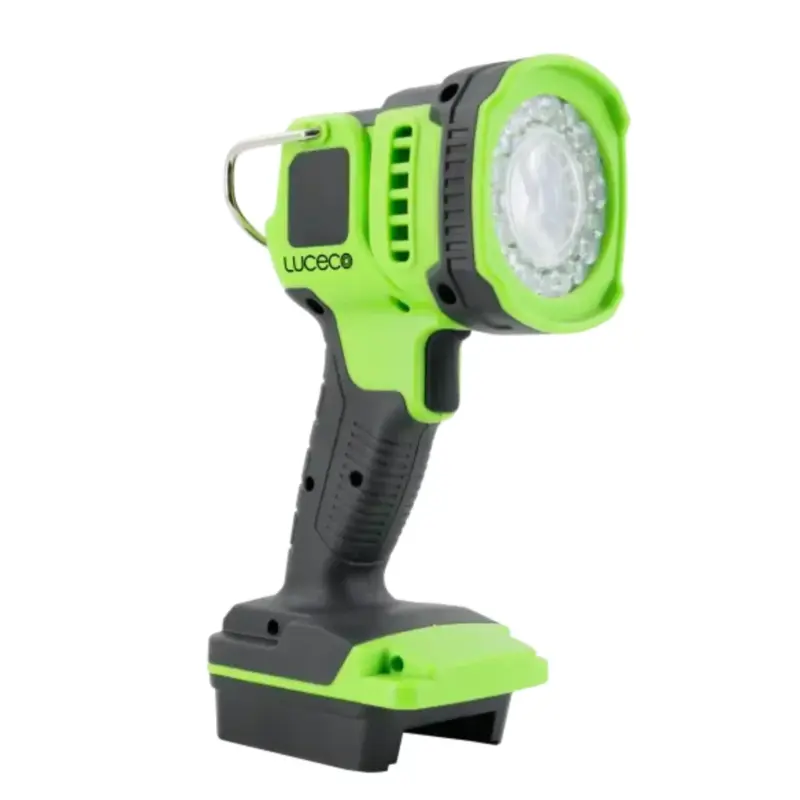
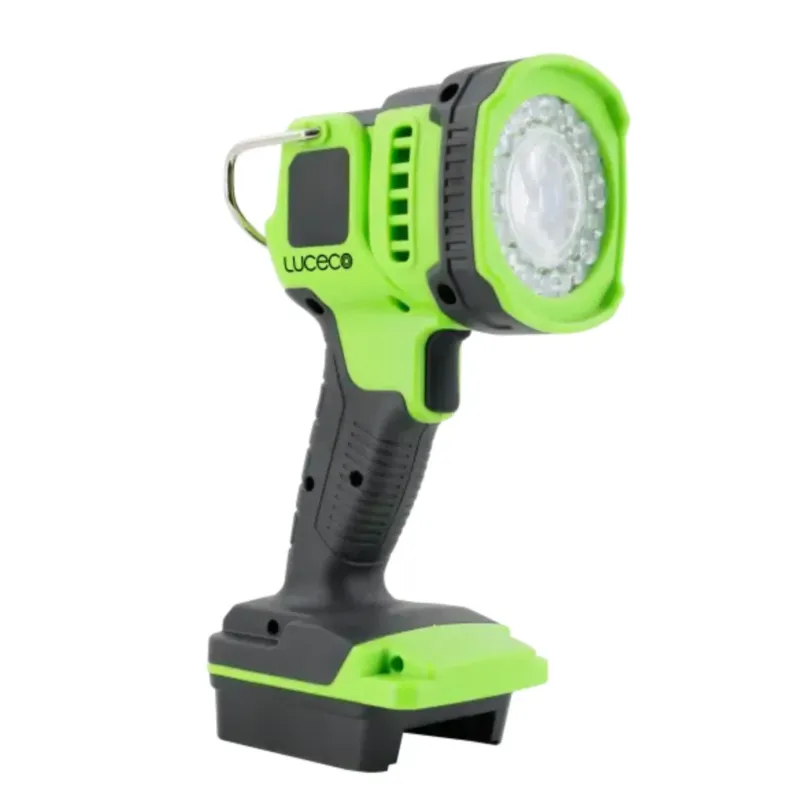
Rechargeable LED work lights can also be useful for illuminating larger areas, provided they're charged beforehand and are designed to operate without a mains connection.
Explore our range of work lights for additional lighting options.
Tip: Battery-operated lighting is generally a safer alternative to candles, particularly in households with children or pets.


4. Stay informed when the internet goes down
During a power cut, your home broadband will generally stop working unless your router and other necessary equipment have backup electricity.
In some situations, mobile phone coverage and internet services may also be disrupted.
That's why a traditional battery-operated radio is still a useful addition to your emergency supplies.
A radio allows you to listen for news, weather information and important announcements without relying on your home Wi-Fi.
Our Homesound PP941 2 Band AM/FM Radio can operate using mains power or batteries, making it suitable for everyday listening as well as emergency preparation.
Keep the correct spare batteries nearby so it's ready when needed.
You can also check the ESB Networks PowerCheck service for information about outages and estimated restoration times when internet access is available.
Tip: Write down important telephone numbers rather than relying entirely on your phone's contact list.
5. Plan ahead for food, water and cooking
If the electricity goes off for several hours, cooking and storing food can become more difficult.
Electric cookers, kettles, microwaves and many other kitchen appliances won't work without power, so it's useful to have a few alternatives ready.
Keep a selection of foods that require little or no preparation, such as tinned foods, crackers, cereal bars, dried fruit and other non-perishable essentials.
Make sure you also have an adequate supply of drinking water, particularly if your household uses an electrically powered private well pump.
Can you use a camping stove during a power cut?
For households with a suitable and safe outdoor space, a portable camping stove can provide an alternative way to prepare food or boil water.
Our Portable Camping Gas Stove, along with compatible Butane Camping Gas Canisters, may be useful for outdoor cooking when conditions allow.
However, safety always comes first.
Never use an outdoor camping stove, barbecue or other outdoor fuel-burning appliance inside a house, garage, shed or enclosed space.
These appliances can produce dangerous levels of carbon monoxide.
Do not attempt outdoor cooking during dangerous winds or other unsafe weather conditions.
Keep ready-to-eat food available in case cooking isn't possible.
What about food in your fridge and freezer?
During an outage, avoid unnecessarily opening your fridge or freezer doors.
Keeping the doors closed helps maintain colder temperatures for longer.
If the power remains off for an extended period, follow current food-safety advice when deciding whether refrigerated or frozen food is still safe to eat.


Important: Never use a barbecue, camping stove or outdoor heater to heat your home. Only use indoor heating appliances for their intended purpose and follow their ventilation and safety requirements.
6. Keep your household warm and comfortable
Many homes in Ireland rely on electricity for at least part of their heating system.
Even if you have a gas or oil boiler, the central heating may not operate during a power cut because pumps, timers and electronic controls often need electricity.
If your heating stops working, there are several simple ways to help retain warmth.
Dress in layers, wear thermal clothing and warm socks, and keep extra blankets easily accessible.
Closing curtains and limiting unnecessary opening of external doors can also help reduce heat loss.
Traditional hot water bottles may provide additional comfort if you have a safe source of hot water.
Always use them according to the manufacturer's instructions.
You can explore our Health & Wellbeing range for useful household comfort essentials.
If your home becomes particularly cold, consider spending time together in one room and checking whether vulnerable household members need additional assistance.




7. Consider backup power for longer electricity outages
For households in rural areas or locations that experience occasional extended power cuts, having a backup electricity supply may be worth considering.
Generators can provide temporary electricity for selected appliances, such as lighting, fridges, freezers and other essential equipment, depending on their power output and the electrical requirements of the appliances being used.
However, not all generators are the same, and choosing the right type depends on what you need to power.
Petrol Generators
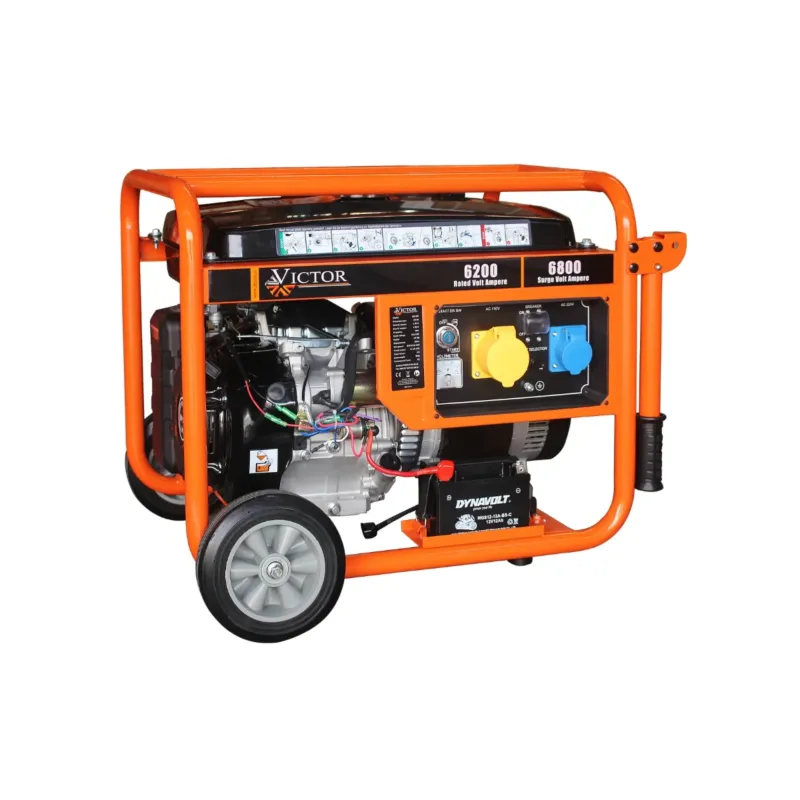
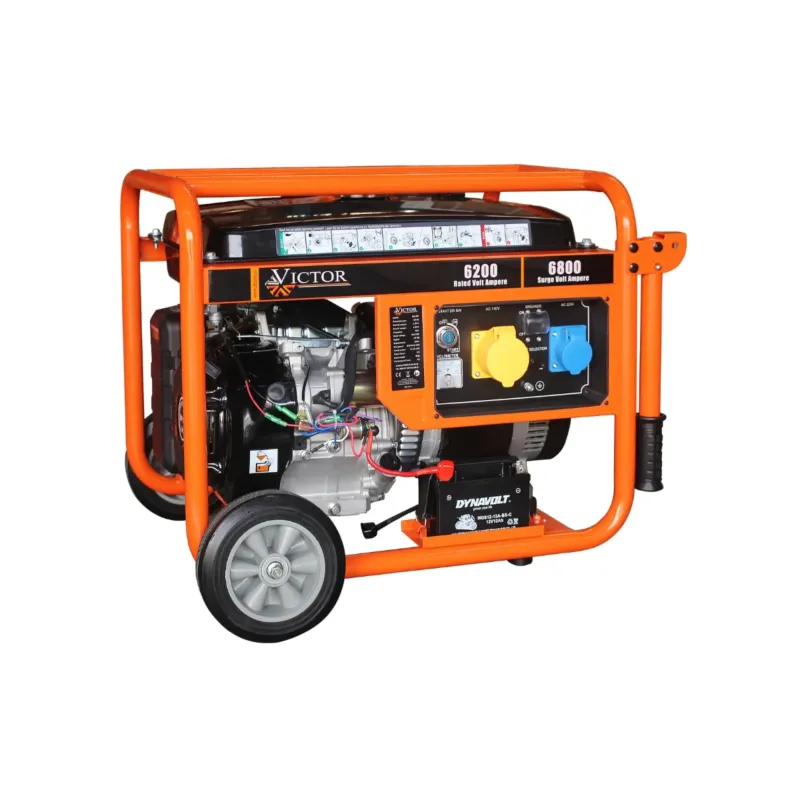
Conventional petrol generators are a popular choice for providing temporary electricity during power outages.
Available in different power capacities, they can be suitable for running a range of household appliances and equipment, provided the generator has sufficient capacity.
For homes requiring higher power output, a larger petrol generator may be worth considering, particularly where several appliances need to operate.
Explore our range of petrol generators, including models from Victor and Draper.
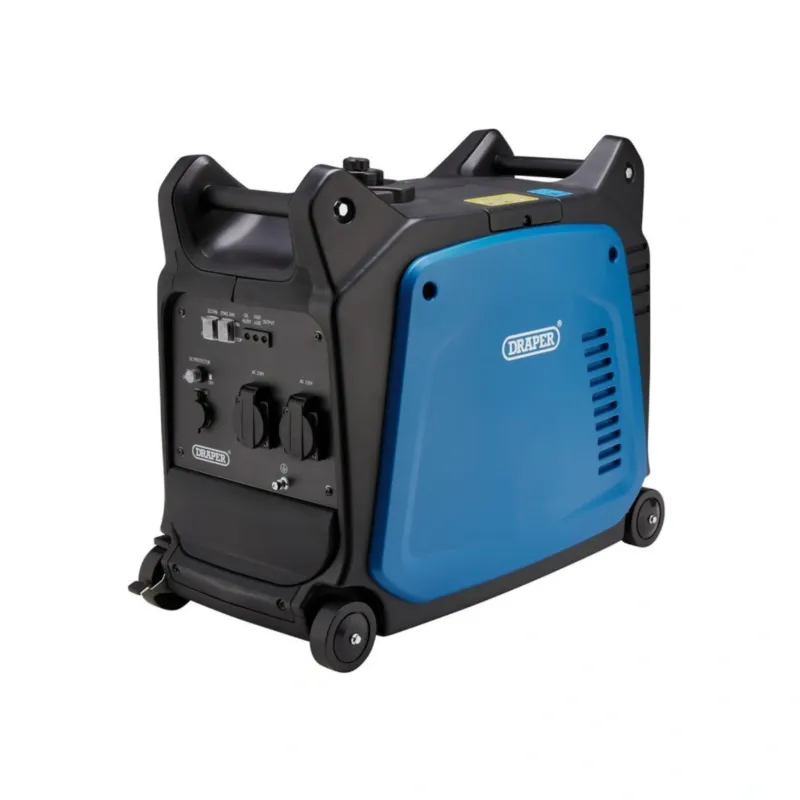
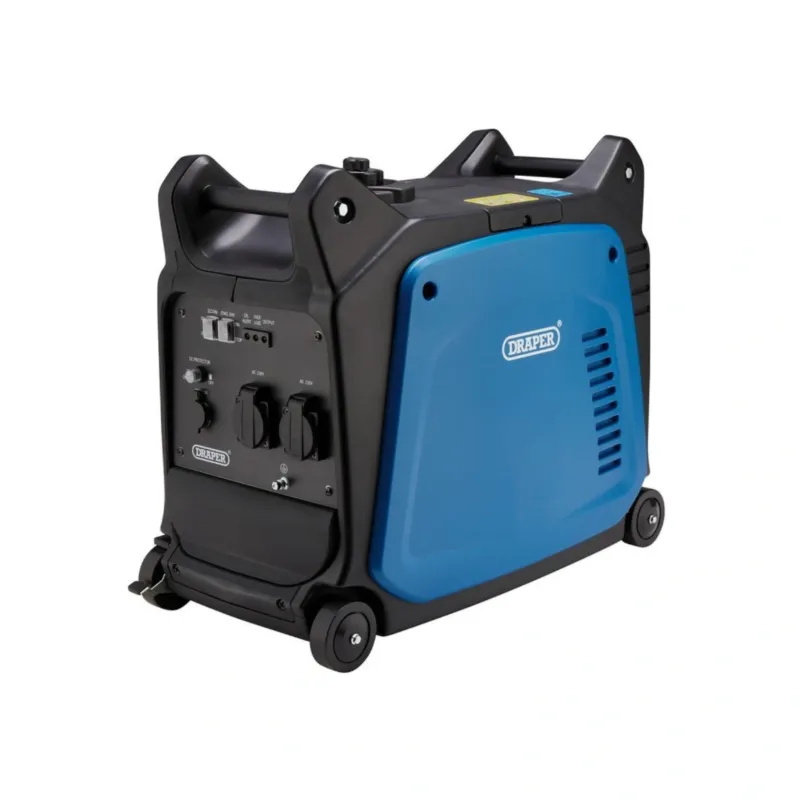
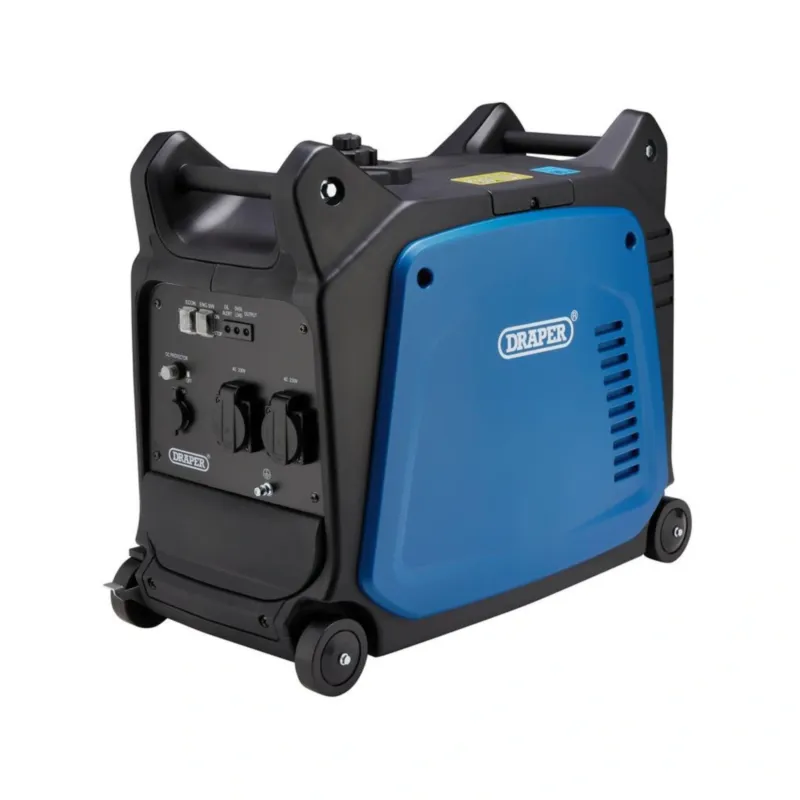
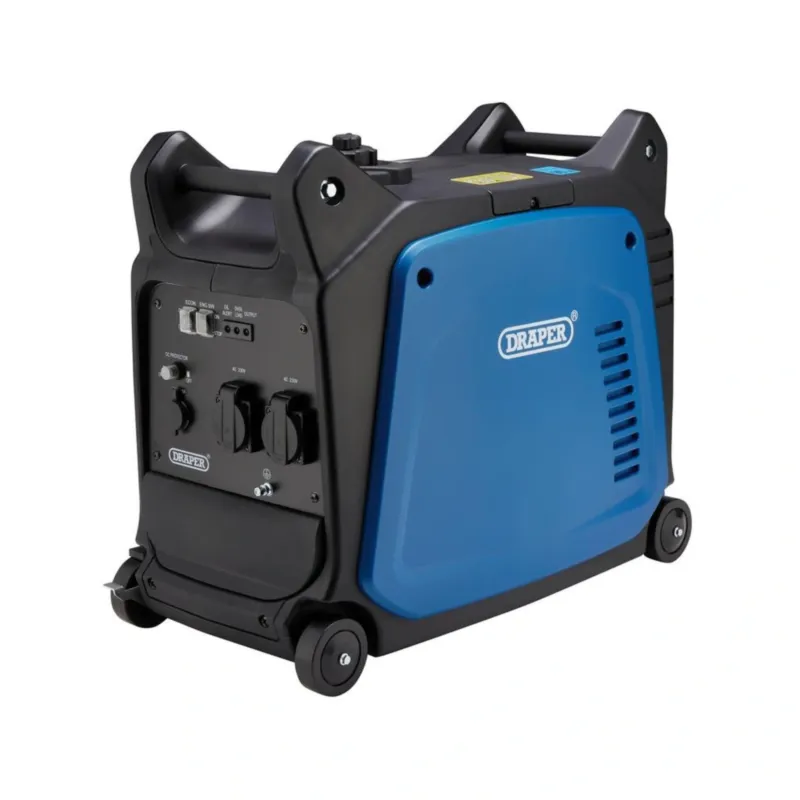
Inverter Generators
Inverter generators are another option for households looking for portable backup power.
Unlike conventional petrol generators, inverter models produce a more stable electrical output, making them particularly useful for compatible sensitive electronic devices such as laptops and other equipment.
They are also often quieter, more compact and more fuel-efficient at lighter loads, making them a practical choice for smaller power requirements.
At MyBuildingSupplies.ie, we stock Draper petrol inverter generators, including 2300W and 2800W models.
Browse our generator range to explore the available options.
Choosing the right generator for your home
Before purchasing a generator, consider which appliances you would need to run during a power cut and how much electricity they require.
Some appliances, particularly those containing motors, require additional power when starting.
It's important to account for both running wattage and starting wattage when selecting a generator.
For more detailed advice on generator sizes, features and specifications, read our guide to Choosing the Right Petrol Generator.
Important generator safety advice:
Petrol-powered generators, including inverter models, must always be operated outdoors, well away from doors, windows, vents and enclosed spaces.
Never operate a generator inside your home, garage or shed, even with doors open.
Connecting a generator to your home's electrical installation requires a properly designed changeover system installed by a Registered Electrical Contractor.




8. What to do if a storm causes a power cut
When electricity is lost during severe weather, the most important thing is to stay safe and avoid unnecessary risks.
Start by checking whether the outage is affecting neighbouring homes, provided you can do so safely from indoors.
If safe and appropriate, check whether a circuit breaker or trip switch has operated within your property.
You can then use ESB PowerCheck to check for reported outages in your area.
Avoid fallen electricity lines
Strong winds can bring down electricity lines and damage poles.
If you notice a fallen wire, damaged pole or other electrical hazard, stay well away and report it immediately to ESB Networks on 1800 372 999.
Never touch or approach fallen electricity wires, even if they appear inactive.
Switch off potentially hazardous appliances
Turn off appliances such as electric cookers, ovens and irons so they don't restart unexpectedly when power returns.
Leaving one light switched on can help you identify when your electricity supply has been restored.
Conserve your phone battery
Enable battery-saving mode, reduce unnecessary screen use and avoid using your phone for entertainment during an extended outage.
A fully charged power bank can help keep your phone available for essential calls and updates.
Avoid unnecessary travel
If the electricity outage is happening during a major storm, stay indoors when advised.
Fallen trees, debris, flooded roads and damaged electricity infrastructure can create serious hazards outside.
Never drive through floodwater, and always follow official weather warnings and emergency advice.
9. What to check when the electricity comes back
Once power returns, there are a few sensible checks worth making before resuming your normal routine.
Check that your heating system, fridge, freezer and other essential appliances are operating correctly.
If appliances were disconnected during the outage, reconnect them carefully rather than switching everything on simultaneously.
Review food stored in your fridge and freezer, particularly if the power was off for several hours.
If you notice damaged electrical equipment, unusual smells, exposed wiring or signs of water damage, do not use the affected equipment until it has been checked by a qualified professional.
It's also a good opportunity to replenish any emergency supplies you've used.
Replace depleted batteries, recharge power banks and torches, and return your emergency kit to its usual storage location.
That way, you'll be ready if another outage occurs.
Your essential home power cut & storm preparation checklist
A little preparation now can save a lot of inconvenience later.
Use this printable checklist to make sure your household has the essential supplies and equipment ready before a storm or unexpected electricity outage.
Emergency kit, lighting & communication
☐ Home emergency kit with essential supplies
☐ LED torch and spare batteries
☐ Headtorch for hands-free lighting
☐ Rechargeable or battery-powered LED work lights
☐ Battery-operated AM/FM radio
☐ Spare batteries for your radio and lighting
☐ Fully charged portable power bank
☐ Mobile phone charging cables
☐ Written emergency contact numbers
Food, water & cooking essentials
☐ Adequate supply of drinking water
☐ Non-perishable food and ready-to-eat snacks
☐ Manual tin opener
☐ Portable camping gas stove (for safe outdoor use only)
☐ Compatible butane camping gas canisters
☐ Matches or lighter, if required for your stove
☐ Food and essential supplies for pets and children
Warmth, health & household comfort
☐ Extra blankets and warm bedding
☐ Warm clothing, thermal layers and socks
☐ Traditional hot water bottles
☐ First-aid kit and basic medical supplies
☐ Essential medication and personal care products
☐ Any additional supplies needed by vulnerable household members
Backup electricity & power
☐ Petrol generator or petrol inverter generator, if required
☐ Appropriate fuel stored safely in approved containers
Remember:
Always use generators and outdoor camping stoves safely.
Petrol generators must operate outdoors, well away from your home, and camping stoves must never be used inside buildings or enclosed spaces.
Be prepared before the lights go out
Power cuts and winter storms are a part of life in Ireland, but they don't have to catch you completely off guard.
From keeping a reliable torch and battery-operated radio handy to preparing food supplies and considering backup electricity, taking a few simple steps now can make unexpected outages much easier to manage.
At MyBuildingSupplies.ie, you'll find a range of practical household essentials to help you prepare, from emergency lighting and power banks to portable radios, outdoor cooking equipment and generators.
Start with the basics, build your emergency supplies gradually and make sure everyone in your household knows what to do if the power goes out.
Get your home ready today.
Shop our Winter Home Emergency Kit or browse our range of generators to find practical solutions for your household.