How to choose the right steel for construction
Steel plays an essential role in construction, fabrication and property maintenance.
From supporting structural elements in buildings to creating gates, frames and brackets, it is a versatile material used across a wide range of projects.
However, not all steel products serve the same purpose.
The profile, dimensions, finish and grade of steel can make a significant difference to how it performs and where it should be used.
Whether you're working on a building renovation, carrying out agricultural repairs or planning a DIY project, understanding the different types of steel can help you make a more informed choice.
In this guide, we explore the most commonly used steel sections, beams and sheets, explaining their applications and the key considerations when selecting materials for your project.
Understanding the different types of steel used in construction
Steel is available in various shapes and profiles, each designed to suit particular applications.
Some products are intended for structural support, while others are better suited to general fabrication, reinforcement or finishing work.
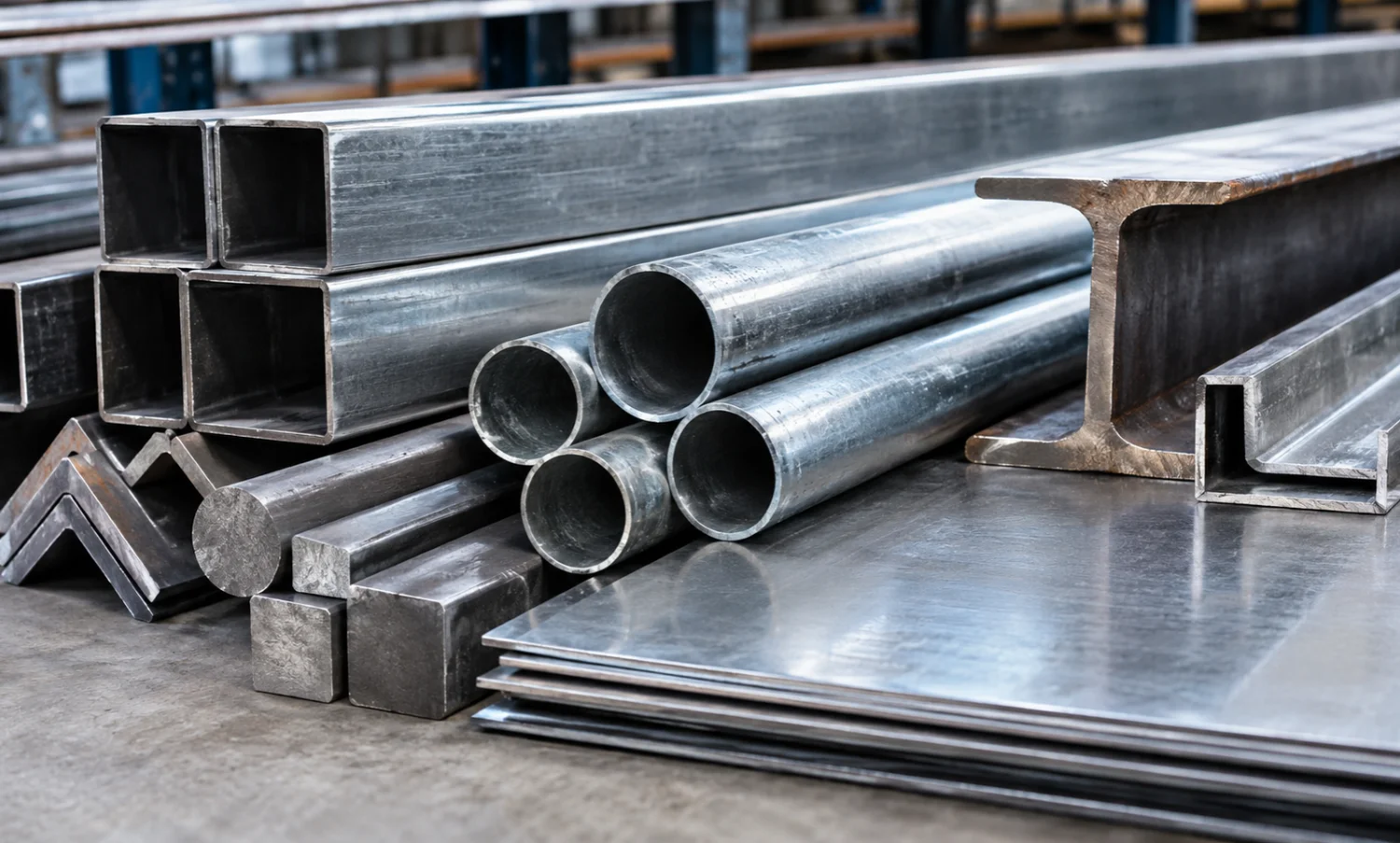
For example, RSJ Steel Beams are commonly specified for load-bearing applications, whereas Steel Box Section & Hollow Section is frequently used in the fabrication of gates, frames and other metal structures.
Similarly, Steel Angle provides a convenient profile for brackets and supports, while steel sheets offer a flat surface for cladding, panels and general metalworking.
Choosing between these products begins with understanding the demands of the project, including the loads involved, the environment in which the steel will be used and any fabrication work required.




RSJ steel beams: Supporting structural building work
When planning a home extension or renovation, one of the main considerations is how the building will be supported when its layout changes.
RSJ Steel Beams are frequently used in projects involving structural alterations, particularly where an opening is being created in a load-bearing wall or additional support is required.
RSJ stands for Rolled Steel Joist, a term commonly used in the building trade to refer to structural steel beams.
These beams are designed to transfer loads to suitable supporting elements, helping maintain the structural integrity of the building.
Typical applications include supporting floors and roofs, creating larger openings between rooms and forming part of steel frameworks in commercial or agricultural buildings.
The correct beam depends on several factors, including the span, the loads it must carry and the support conditions at either end.
For this reason, structural steel should always be specified by a qualified structural engineer rather than selected on appearance or dimensions alone.
Steel box sections and steel angles: Choosing the right profile for fabrication
For general fabrication projects, hollow steel sections and steel angles are among the most practical materials available.
Although both can be used to create frames and supports, their different shapes make them suitable for different applications.
Steel box sections for frames, gates and metalwork
Steel Box Section & Hollow Section is widely used in fabrication because its enclosed profile provides rigidity while using less material than an equivalent solid section.
This makes it particularly useful for constructing gates, railings, equipment frames, workbenches and other metal structures.
Its straight edges and uniform shape also make it convenient to measure, cut and join, particularly when producing rectangular frames.
For outdoor projects, the steel's surface finish and corrosion protection are important considerations.
Untreated steel can rust when exposed to moisture, so a suitable protective coating may be required.
A small but useful finishing detail is the addition of Steel Box End Caps.
These fit into compatible open ends of box sections, providing a neater appearance while helping prevent dirt and debris from accumulating inside.
Where steel angles are more suitable
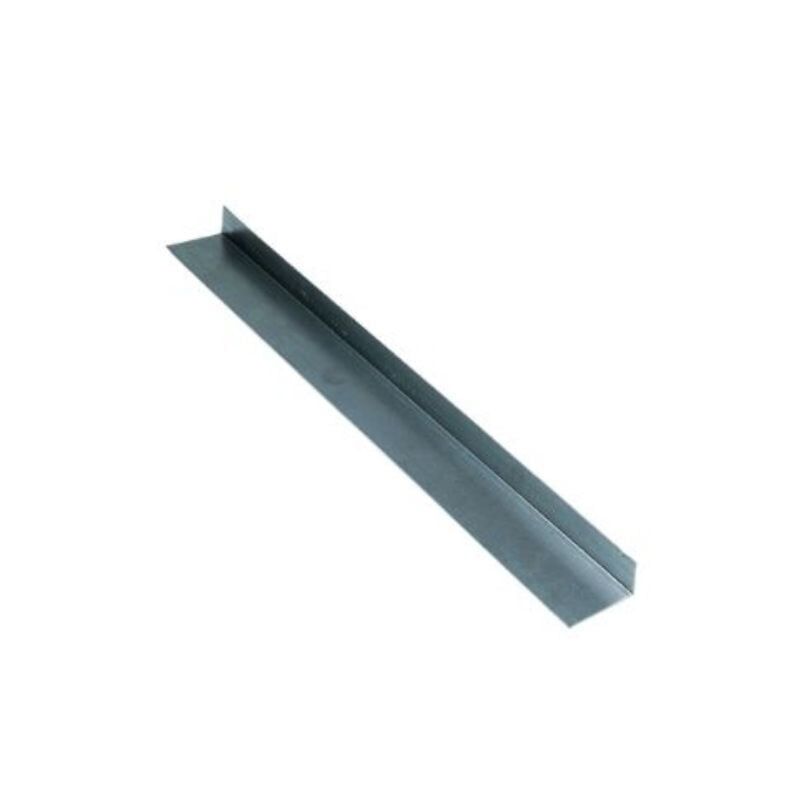
While box sections are often chosen for complete frames, Steel Angle is particularly useful when a project requires an L-shaped profile for support, reinforcement or connections.
Steel angles are commonly used to manufacture brackets, reinforce corners, support shelving and connect components within metal structures.
Their open profile makes them convenient for applications where access to both sides of a connection is important.
For example, someone constructing a workshop storage unit might use box sections for the main frame and steel angles for supporting shelves or creating additional brackets.
The two products are therefore not necessarily alternatives.
In many projects, they complement one another.
Galvanised steel: Protection for outdoor and agricultural applications
Steel is naturally vulnerable to corrosion when exposed to moisture and oxygen.
This is an important consideration for projects involving fencing, agricultural buildings and other outdoor structures.
Galvanising helps address this issue by applying a protective zinc coating to the steel.
The coating acts as a barrier against corrosion and provides additional protection to the underlying metal.
As a result, galvanised steel is commonly selected for applications where greater resistance to weathering is required.
Galvanised steel tubes and sheets
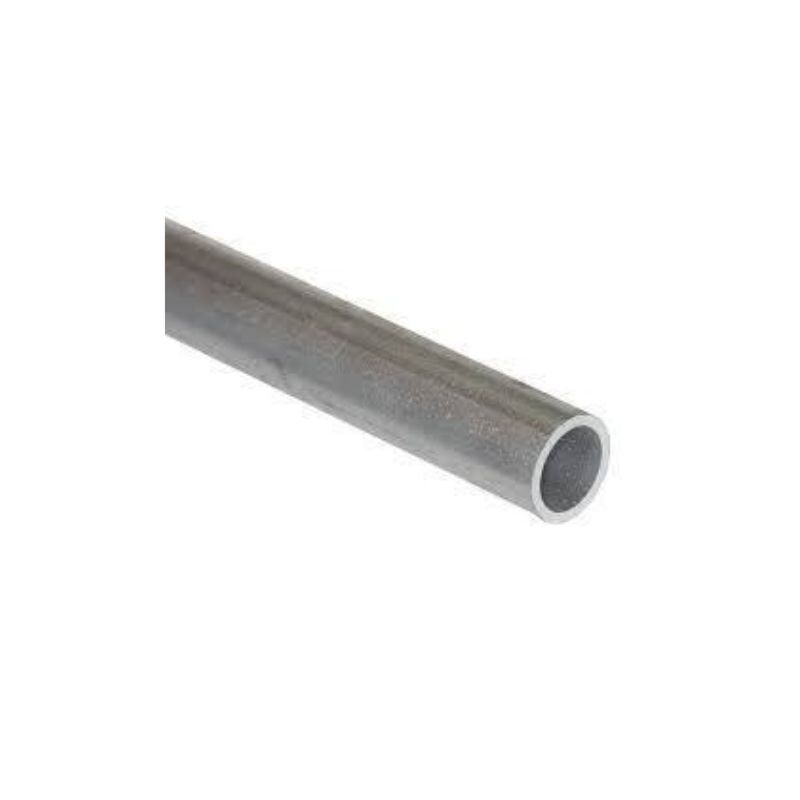
Steel Tube - Galvanised can be a practical option for suitable outdoor metalwork, including fencing components, frames and agricultural fabrication.
For projects requiring flat or formed steel panels, galvanised sheets offer another useful solution.
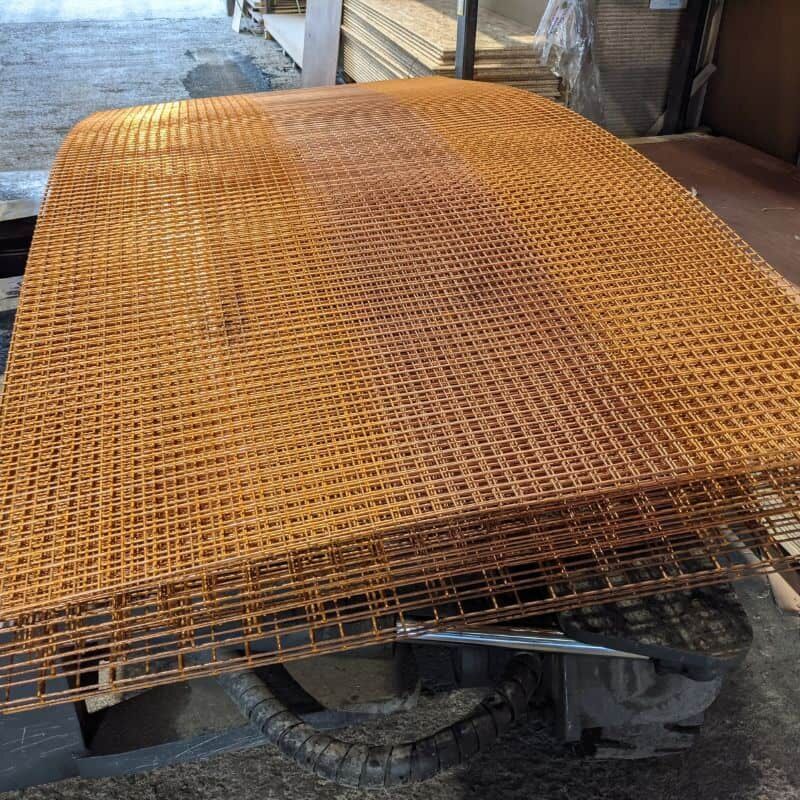
Galvanised Flat Steel Sheet (2500x1250x.8mm) 22 Gauge provides a zinc-coated sheet for suitable cladding, covering and general fabrication applications.
In agricultural settings, Steel Galvanised Feeder Sheets 11ft2in X 2ft may be used for suitable feeder construction and repair work.
The choice between galvanised and non-galvanised steel depends largely on the intended environment.
For dry indoor applications, uncoated steel with an appropriate finish may be sufficient.
Outdoors, galvanised steel may offer advantages where long-term corrosion resistance is a priority.
It is worth remembering that galvanised steel is not completely maintenance-free.
Cut edges, welds and damaged coatings may require additional treatment, while particularly aggressive environments can reduce the coating's service life.
Steel channels: A useful option for supports and frameworks
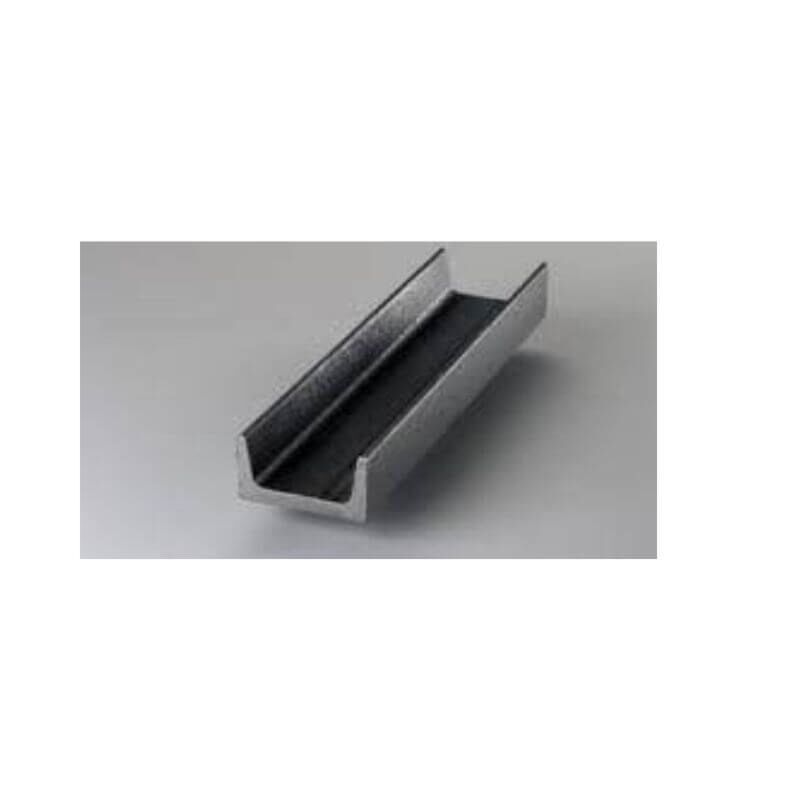
Another commonly used profile in metal fabrication is Steel Channel, which has a distinctive channel-shaped cross-section.
The shape provides rigidity and can be useful in projects requiring supports, equipment frames and other fabricated components.
Steel channels are often incorporated into metal frameworks where their open profile makes joining, fixing or positioning other components convenient.
They can also be used in agricultural maintenance and workshop fabrication, depending on the loads and requirements involved.
When deciding whether to use a steel channel instead of a box section or angle, the important consideration is how the material will be loaded and connected.
A box section may be preferred where an enclosed profile and torsional rigidity are beneficial, whereas a channel can be useful where access to the open side is required.
Neither profile is automatically better for every application.
The correct choice depends on the design and the steel specification.
Flat steel, round bars and square bars for general metalworking
Larger steel sections are only part of the picture.
Many fabrication and repair jobs require smaller, solid steel profiles that can be cut, drilled, shaped or welded into specific components.
Three useful options are Flat Steel, Steel Solid Round and Solid Steel Squares.
Flat steel for brackets and repairs
Flat Steel is a simple, rectangular steel profile commonly used for manufacturing brackets, connecting plates, straps and supports.
Its shape makes it particularly useful where a flat surface is needed for drilling holes, creating connections or attaching components.
It is also widely used in general maintenance work, where small steel components need to be repaired or replaced.
Round and square steel for custom fabrication
Steel Solid Round is used in metalworking and machining applications where a cylindrical profile is required.
Depending on the steel grade and dimensions, it can be used to manufacture components such as pins, handles, spacers and other fabricated parts.
Solid Steel Squares, meanwhile, provide a solid square profile that is useful for decorative metalwork, gates and custom fabrication.
Both products are valuable for workshop projects requiring shaped or machined steel components.
Steel sheets for construction, cladding and general fabrication
Steel sheets are another versatile material used in construction, engineering and agricultural work.
Unlike beams and sections, which are generally selected for their profile and ability to form structural or fabricated frameworks, steel sheets provide a broad, flat surface.
This makes them useful for manufacturing panels, covers, guards, enclosures and other sheet-metal components.
Steel Flat Sheet is suitable for a variety of fabrication applications, provided the correct thickness, grade and finish are selected.
For projects exposed to moisture, galvanised sheet options may provide additional corrosion protection.
The thickness of a steel sheet is particularly important.
Thinner sheets are generally easier to form and work with, while thicker sheets offer greater resistance to bending under comparable conditions.
The intended use should therefore guide the selection, rather than simply choosing the thickest available material.
Key considerations before buying steel
With so many different profiles available, selecting the right steel involves more than identifying the general type of product.
The first consideration is the purpose of the material.
Steel intended for a structural beam has very different requirements from steel used to manufacture a bracket, fence or workshop frame.
Dimensions and thickness are equally important.
Even within the same product category, different sizes can offer significantly different performance characteristics.
The environment also influences the decision.
Steel used indoors may require a different surface finish from material exposed to rain, moisture or agricultural conditions.
Fabrication requirements should be considered before purchasing.
Cutting, drilling, welding and bending may affect which steel grades and finishes are appropriate.
Welding galvanised steel, in particular, requires suitable controls to prevent exposure to hazardous fumes.
For any load-bearing or safety-critical application, professional guidance is essential.
A qualified engineer or suitably competent specialist can confirm the correct steel grade, dimensions and connection details.
By considering these factors early, you can select materials that are better suited to the work and reduce the likelihood of unnecessary costs or delays.
Find the right steel for your next project
Whether you're carrying out a home renovation, fabricating a metal gate, maintaining agricultural equipment or completing a workshop project, choosing suitable steel materials is an important part of achieving a reliable result.
Our range includes RSJ Steel Beams, Steel Box Section & Hollow Section, Steel Angle, Steel Channel, galvanised steel products, steel sheets and solid steel bars for a variety of construction and fabrication applications.
Understanding the differences between these products makes it easier to identify which materials are appropriate for your project, from the main framework to the smaller finishing components.
If you're unsure which option best suits your needs, our expert team is on hand to offer advice and help you find the right materials.
It's also worth considering delivery arrangements before placing your order.
Due to the length of certain steel beams and sections, delivery may be restricted to specific areas.
We recommend checking delivery availability before purchasing or contacting our team to discuss any specific requirements.
Explore our full range of steel beams, sections and sheets and find the materials you need for your next project.