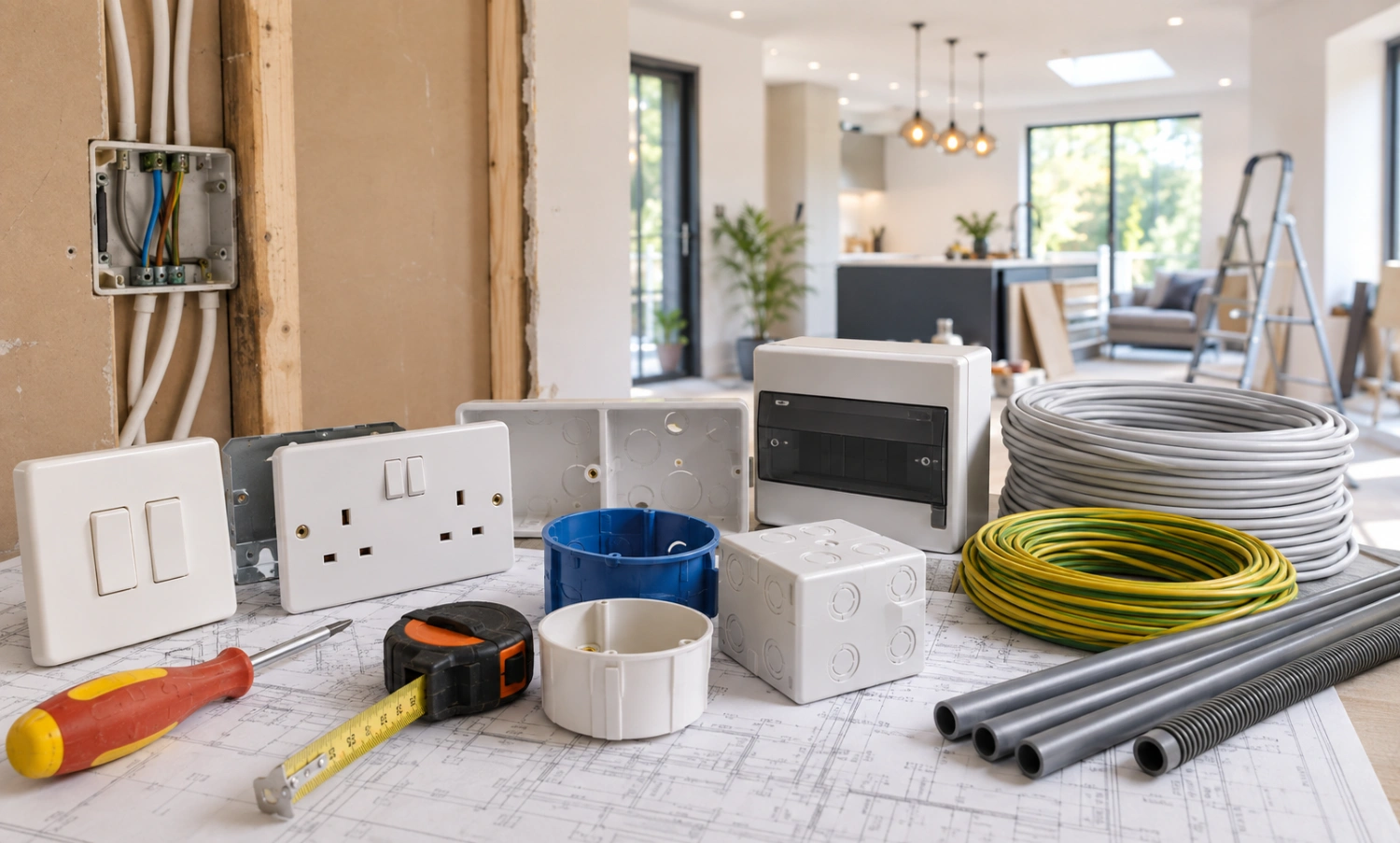
Electrical Essentials for a Home Renovation in Ireland
A home renovation involves far more than choosing flooring, paint colours and kitchen finishes.
The electrical installation behind the walls plays an important part in how practical, comfortable and future-ready your home will be.
Planning sockets, switches, lighting points and cable routes early can also help avoid inconvenient changes once walls have been plastered and rooms are nearing completion.
Whether you are renovating one room or carrying out a larger refurbishment, here are some of the essential electrical products worth considering.
Important:
Electrical installation work in an Irish home should be carried out by a Registered Electrical Contractor (REC).
The Commission for Regulation of Utilities advises homeowners to use an REC and to obtain a Completion Certificate for electrical work carried out.
1. Switches
Switches may be one of the smallest details in a renovation, but good positioning can make a noticeable difference to how comfortably a room works.
Before deciding where switches should go, think about how you will naturally enter and leave each room.
In a hallway or on a landing, for example, being able to operate the same light from two locations can be far more practical than having a single switch.
Two-way switching can also be useful in larger rooms with more than one entrance.
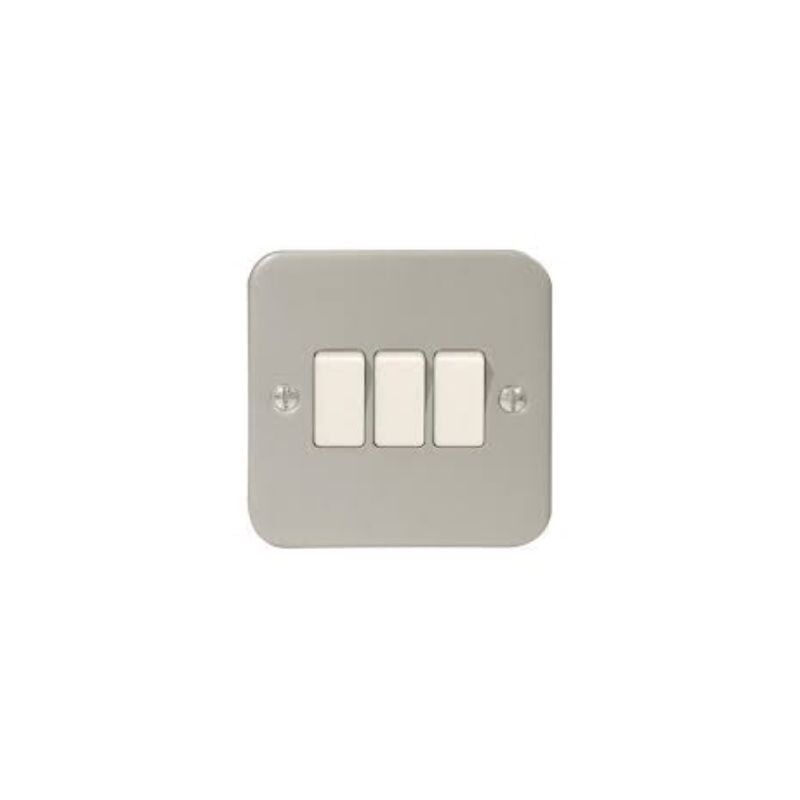
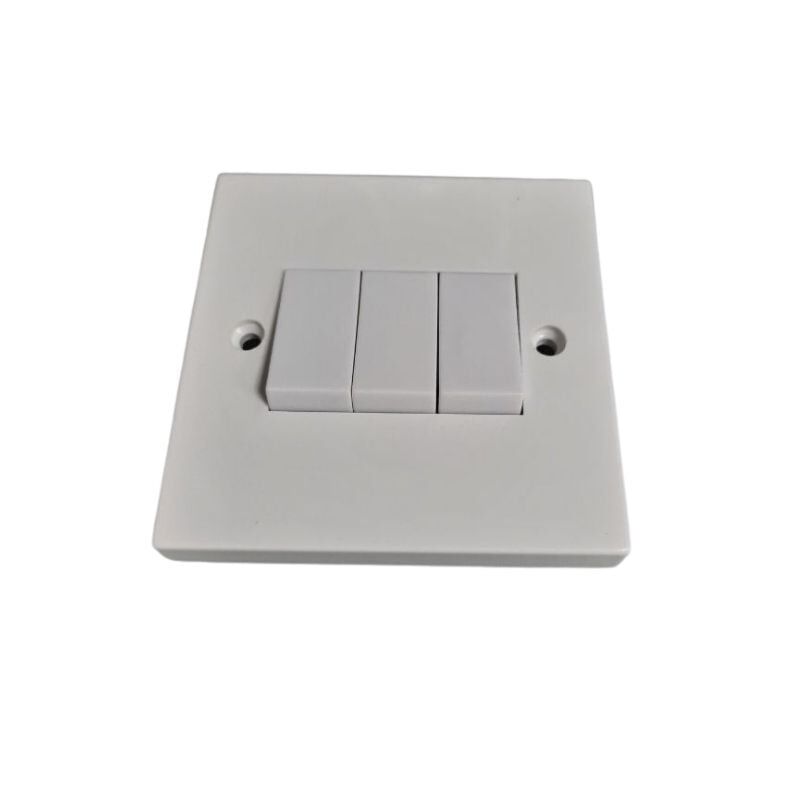
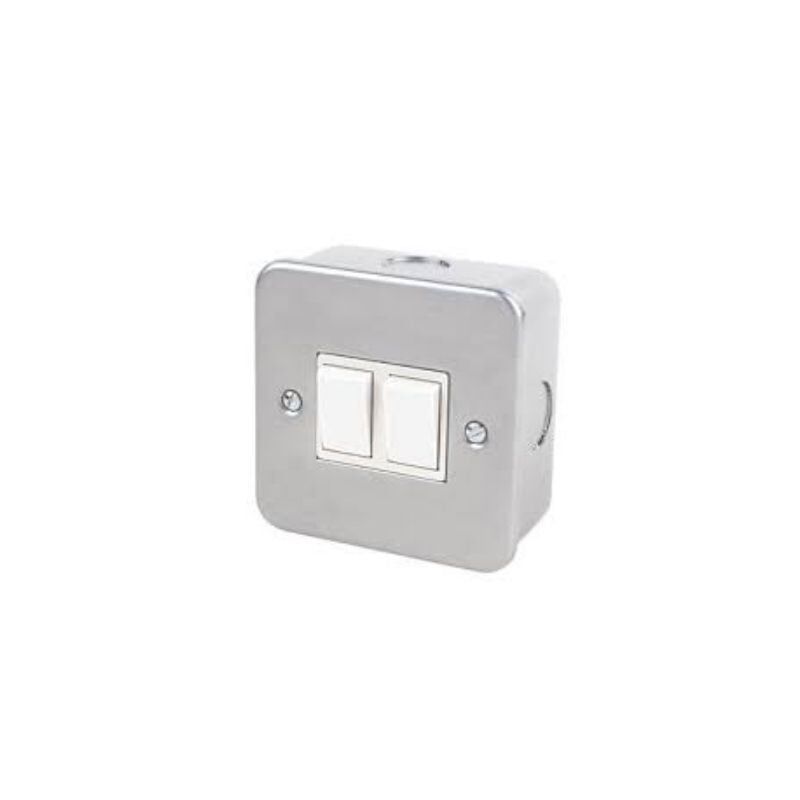
Multi-gang switches allow several lighting circuits to be controlled neatly from one position, which can be particularly useful in kitchens, open-plan areas and rooms with several lighting zones.
The appearance of switches is worth considering too.
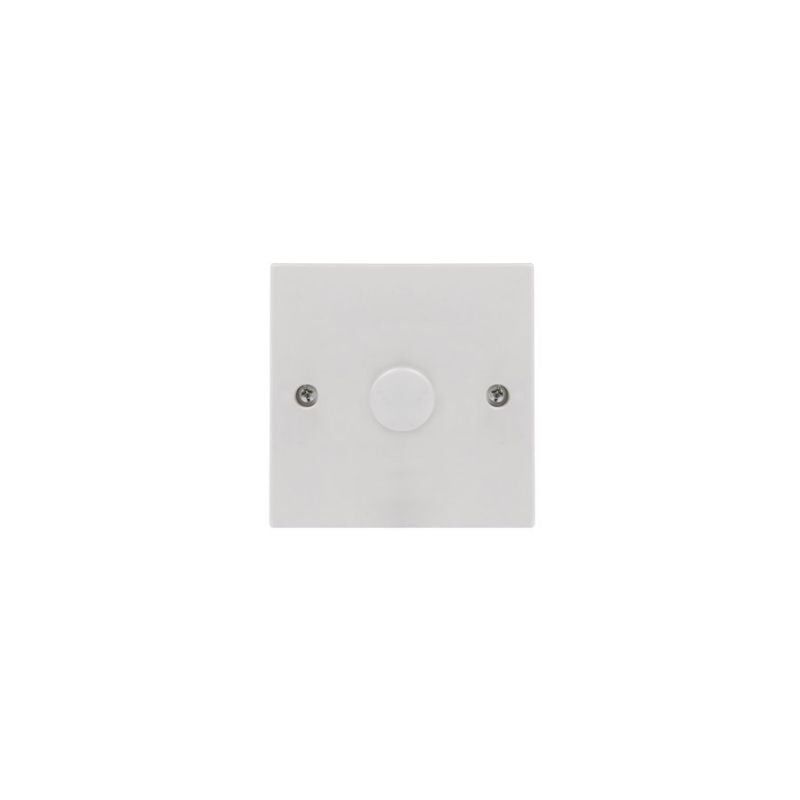
Standard white fittings offer a clean and versatile finish, while decorative options can complement handles, taps, appliances and other metal finishes throughout the room.
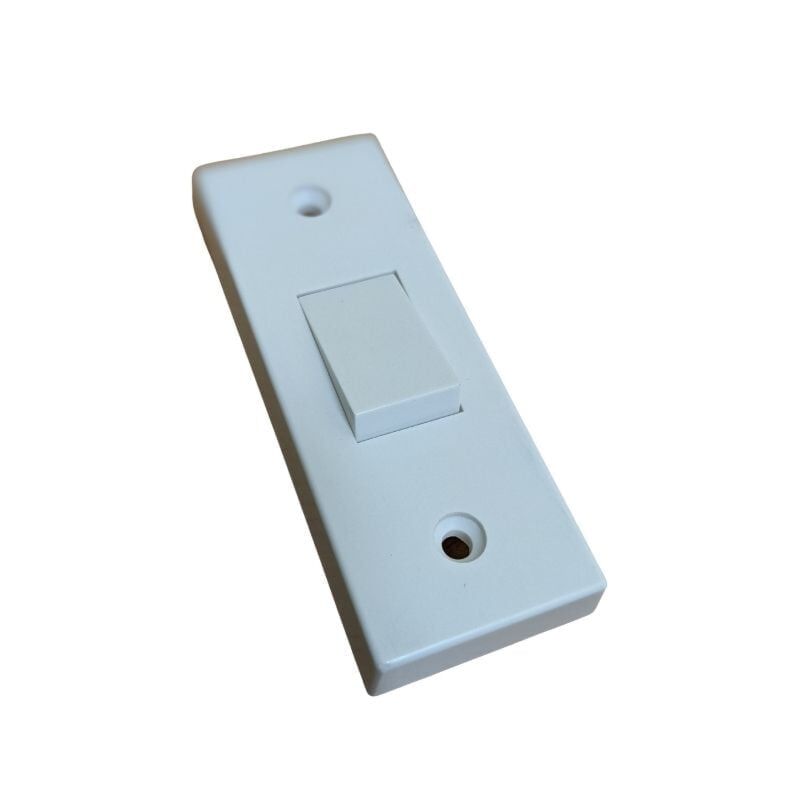
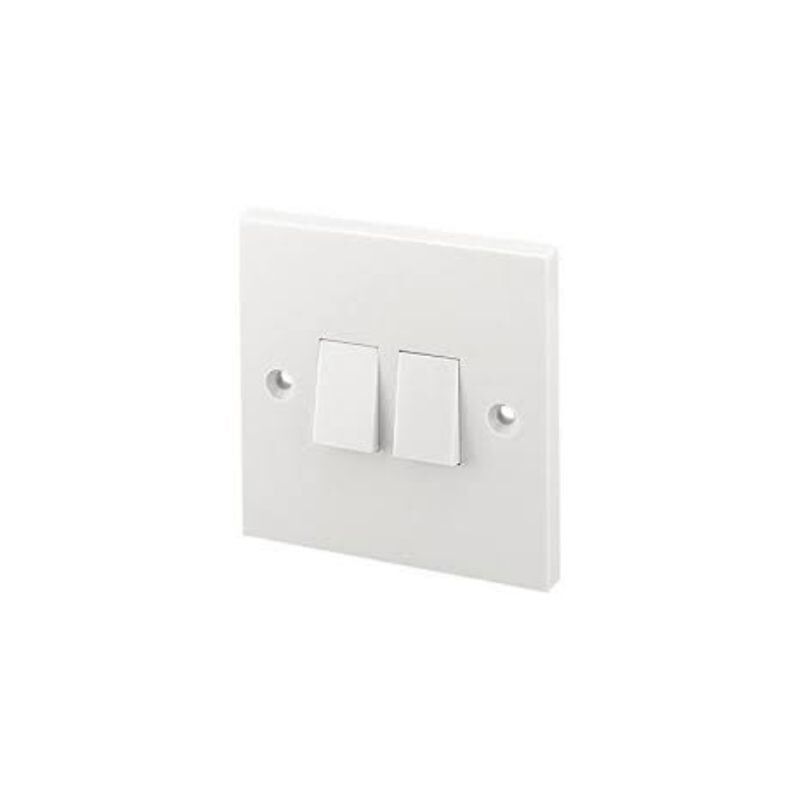
Products such as Two Way Switches provide a practical solution where lighting needs to be controlled from more than one position.
For rooms requiring several controls together, a Pre Pack 3 Gang 2 Way Switch may provide a more suitable configuration.
Renovation tip
Consider furniture placement before finalising switch positions.
A switch that looks perfectly positioned on an empty wall can become awkward to reach once wardrobes, kitchen units or large pieces of furniture are installed.






2. Sockets
One of the most common frustrations in a finished home is discovering that there simply are not enough sockets where they are actually needed.
During a renovation, think beyond your current setup.
Consider where televisions, lamps, phone chargers, vacuum cleaners, kitchen appliances, computers and other everyday equipment are likely to be used.
In bedrooms, sockets beside both sides of the bed can make charging devices and using lamps more convenient.
In living rooms, think about television locations as well as occasional lighting and cleaning equipment.
Home offices may need several sockets positioned around a desk rather than relying on extension leads.
Kitchens usually require especially careful planning because of the number of fixed and portable appliances involved.
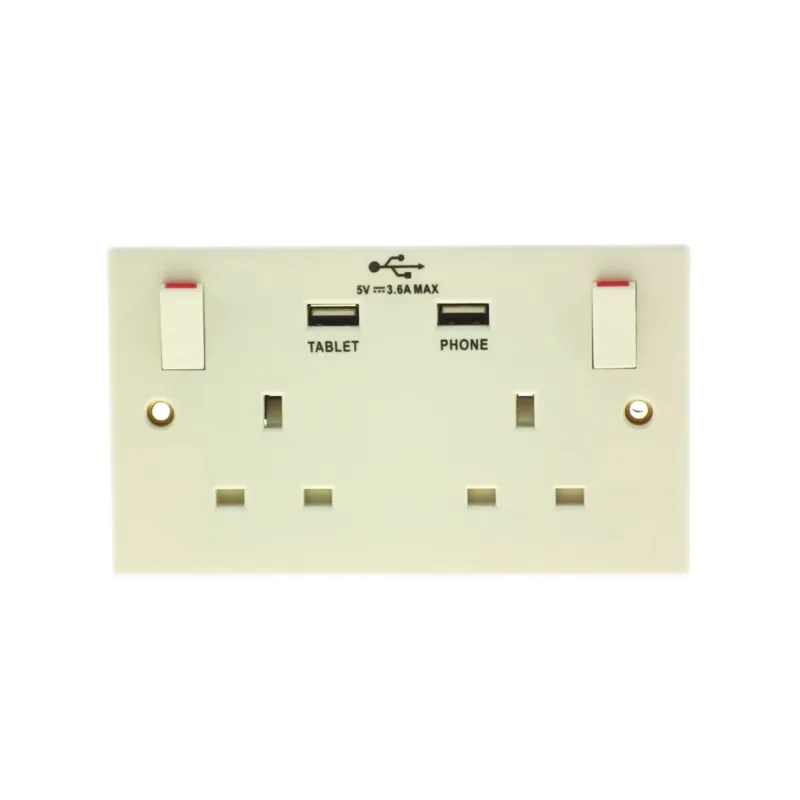
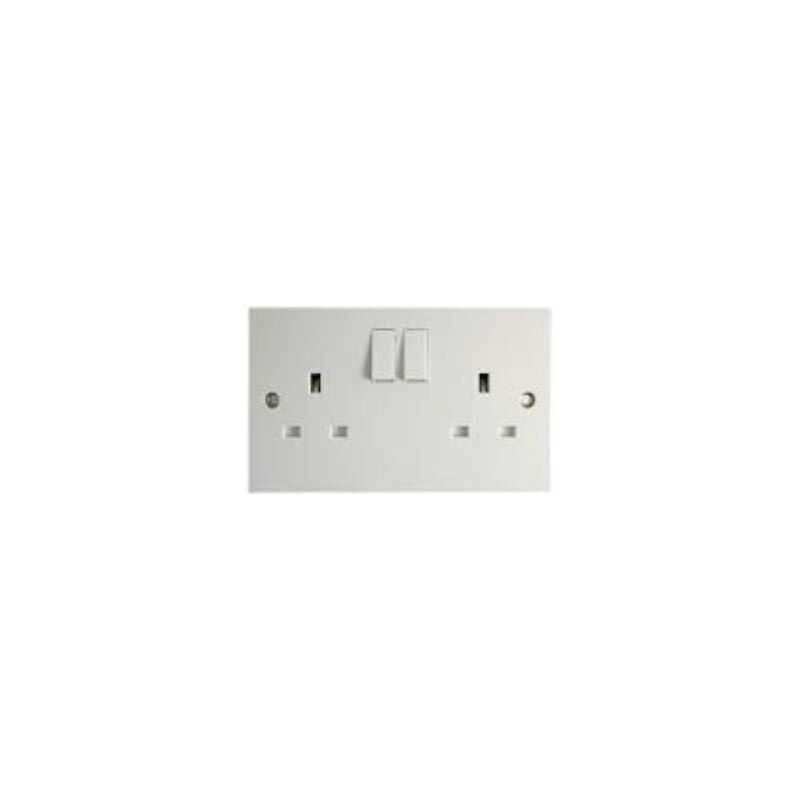
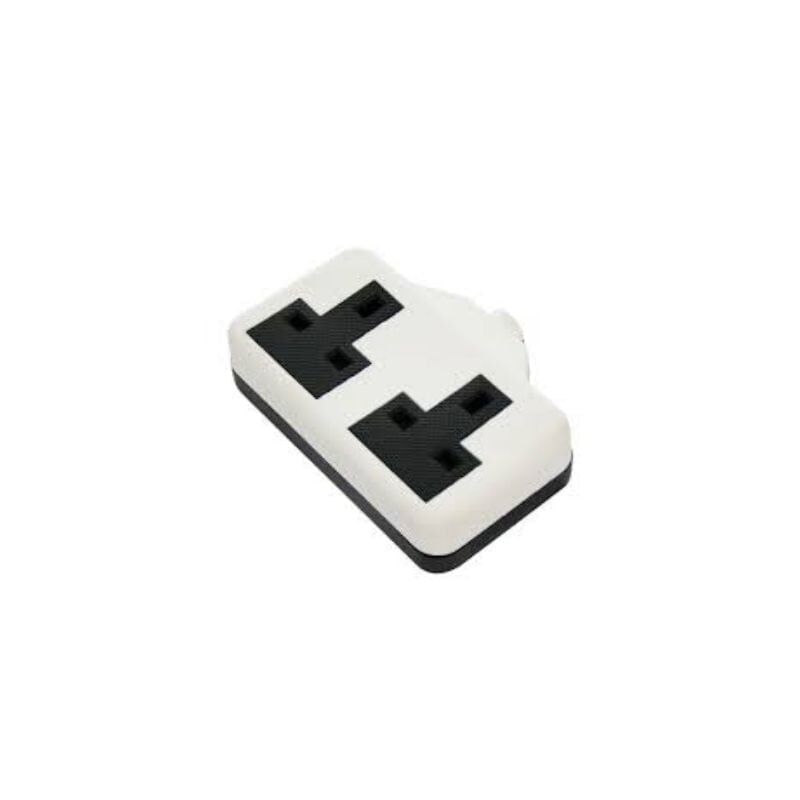
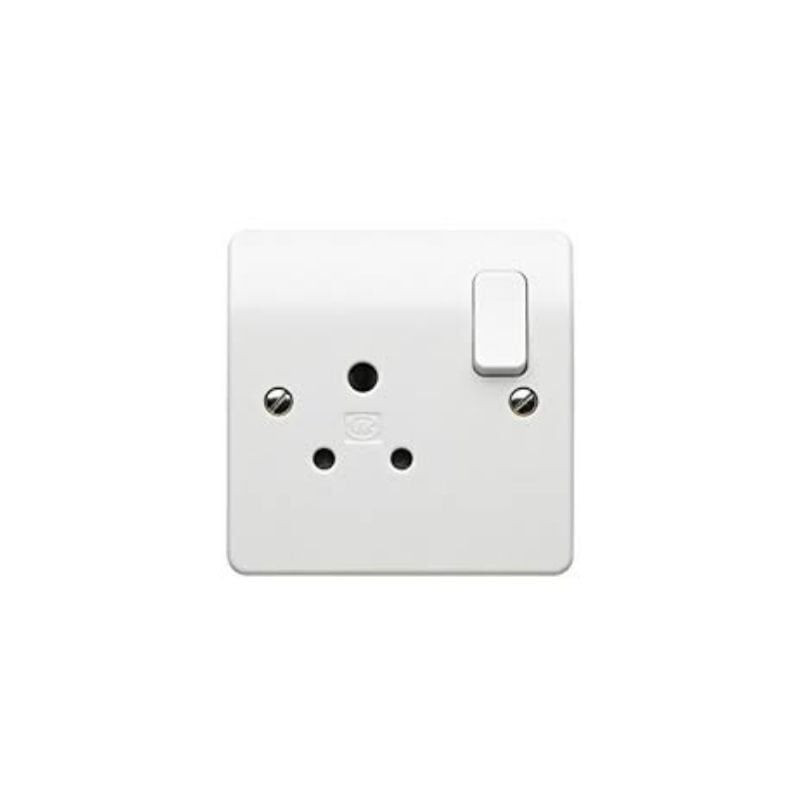
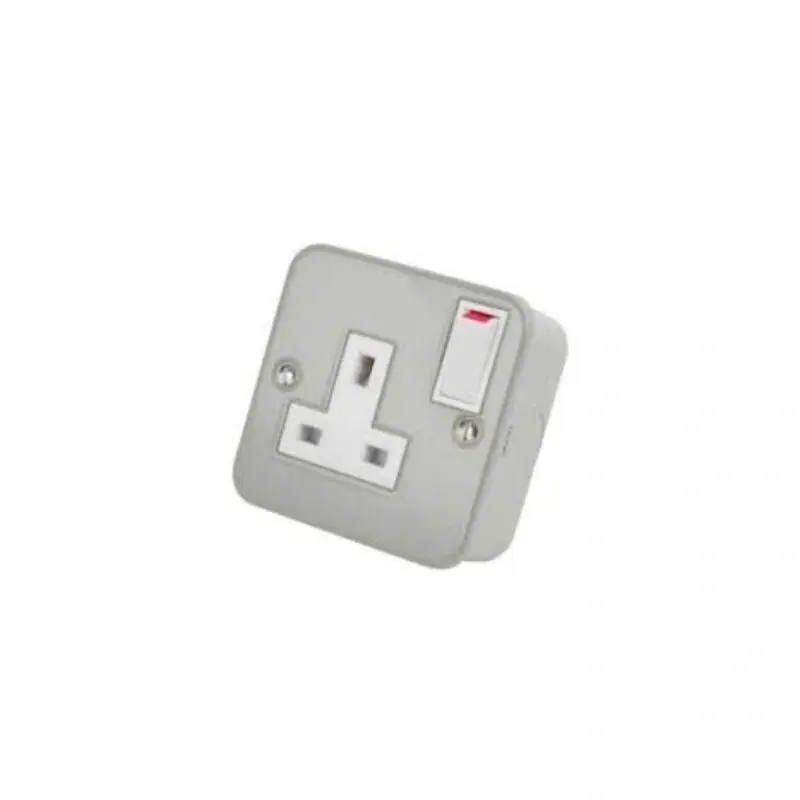
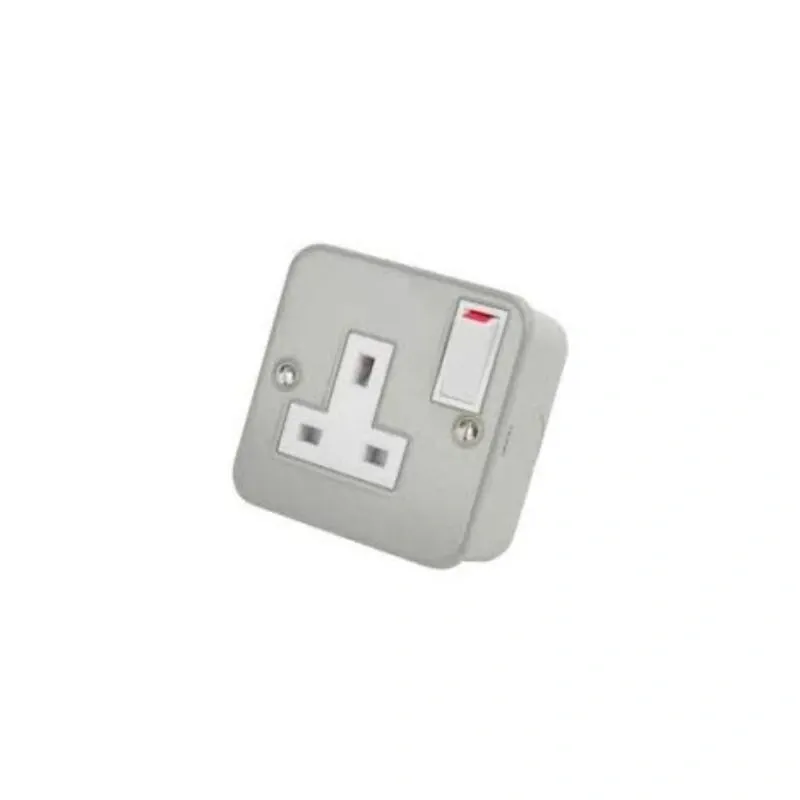
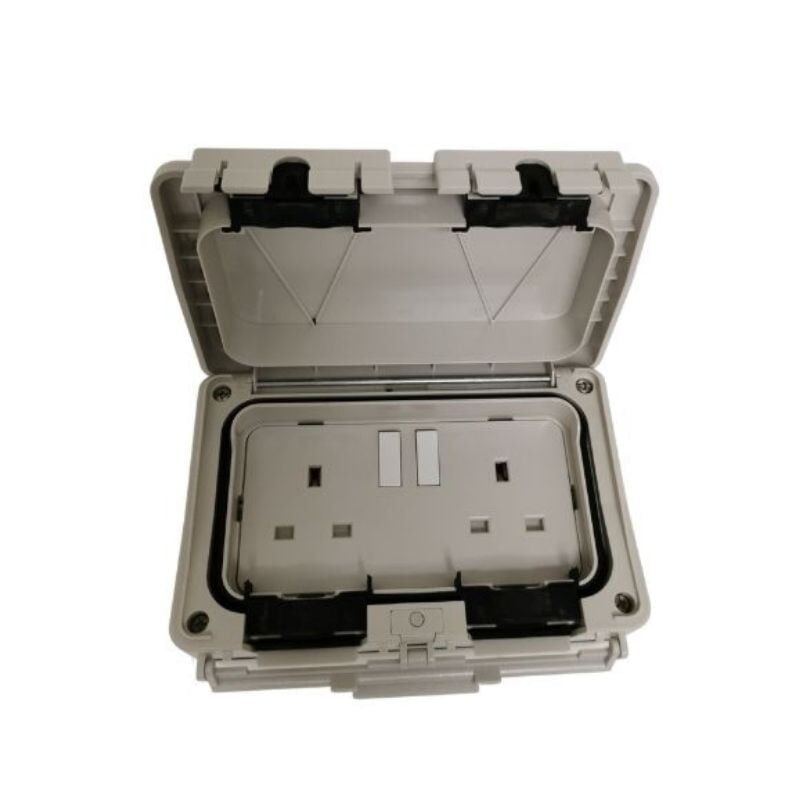
A 2 Gang 13 Amp Switched Socket is a practical option for areas where more than one appliance or device may need power.
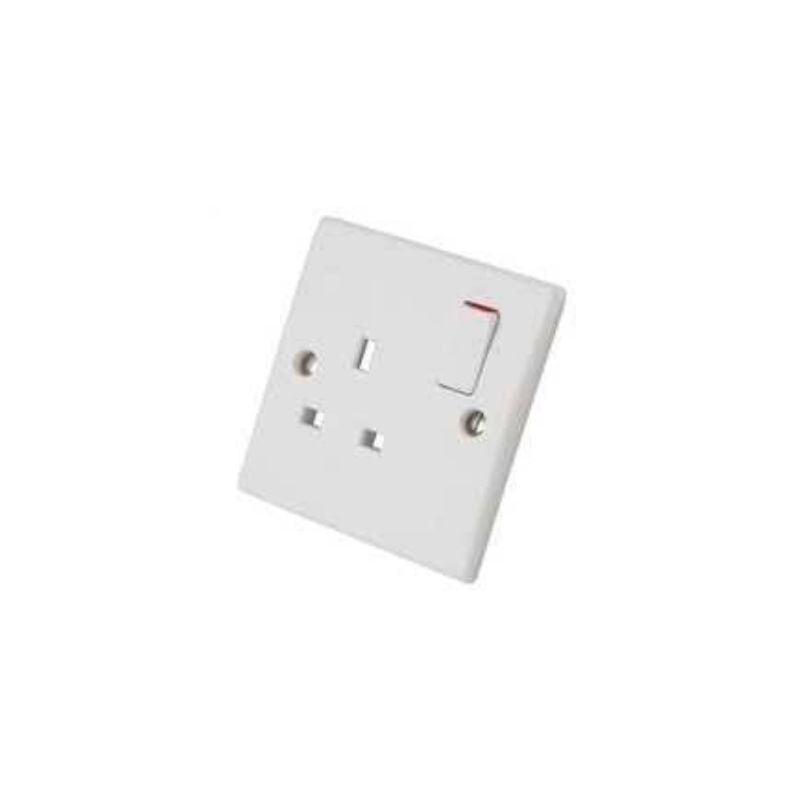
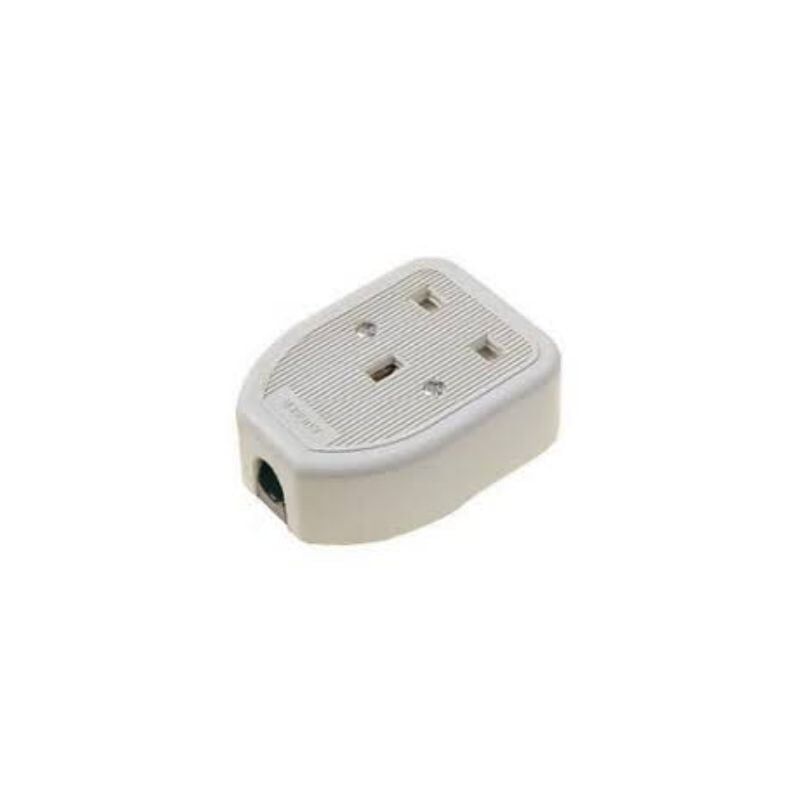
A 1 Gang 13 Amp Switched Socket can be useful where a single dedicated connection is more appropriate.
Think about USB charging
Charging needs have changed considerably in recent years.
Phones, tablets, headphones and other devices are now part of everyday life, so it can be useful to consider dedicated charging options as part of the renovation.
For example, the USB Plug with 2 x USB Chargers (1 Type A & 1 Type C) provides both USB-A and USB-C charging connections.
Planning these locations in advance can help reduce the number of chargers and adaptors competing for conventional sockets.
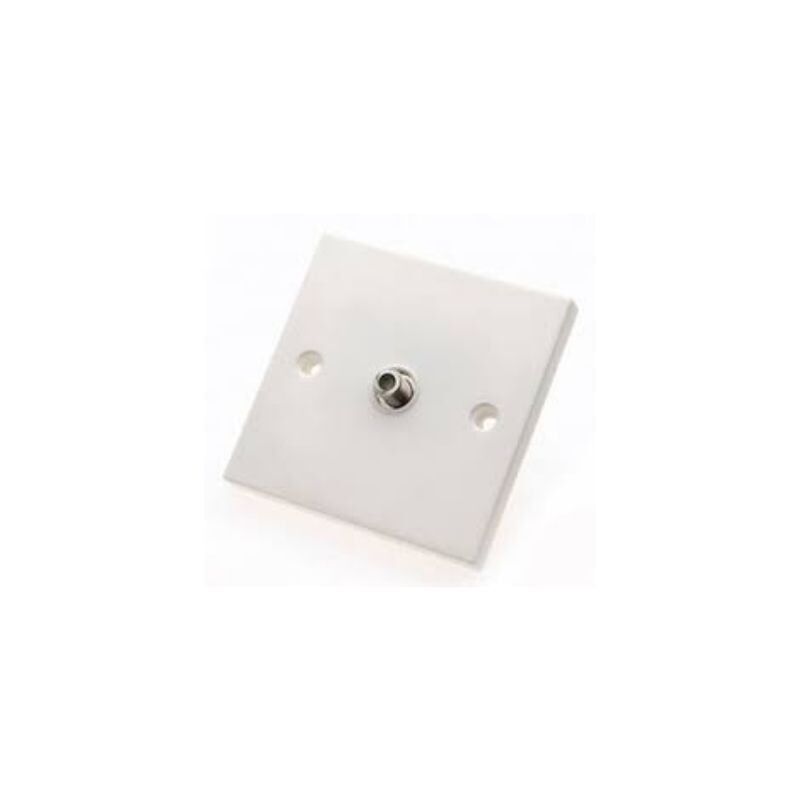
- TV Socket 1 Gang€3.99






3. Dry-lining and pattress boxes
The socket or switch plate you see on the finished wall is only one part of the installation.
Behind it, an appropriate electrical box provides the mounting point and space required for the connections.
The type of box required will depend largely on how the wall is constructed.
Dry-lining boxes are commonly used with plasterboard walls, making them particularly relevant when internal partitions are being added or replaced during a renovation.
Surface-mounted accessories may instead require pattress or surface boxes.
These can be useful in locations where chasing into the wall is impractical or where wiring is intentionally installed on the surface.
Products such as Dry Lining Boxes are available for suitable plasterboard applications. Pattress Boxes provide another option for suitable surface-mounted installations.
These may be relatively inexpensive components, but selecting the right type from the beginning can make installation considerably neater.


4. Junction Boxes
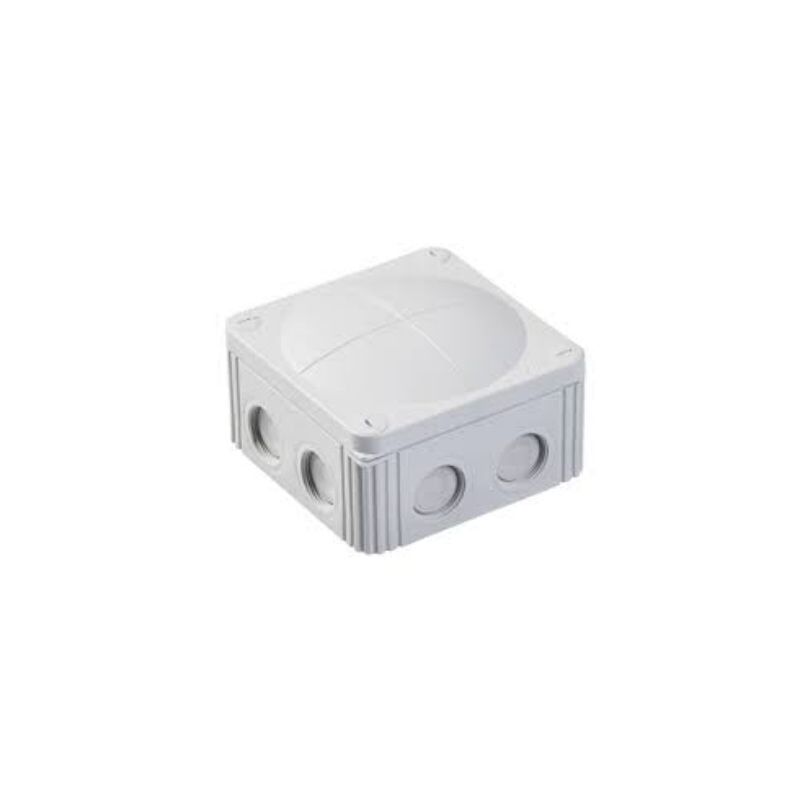
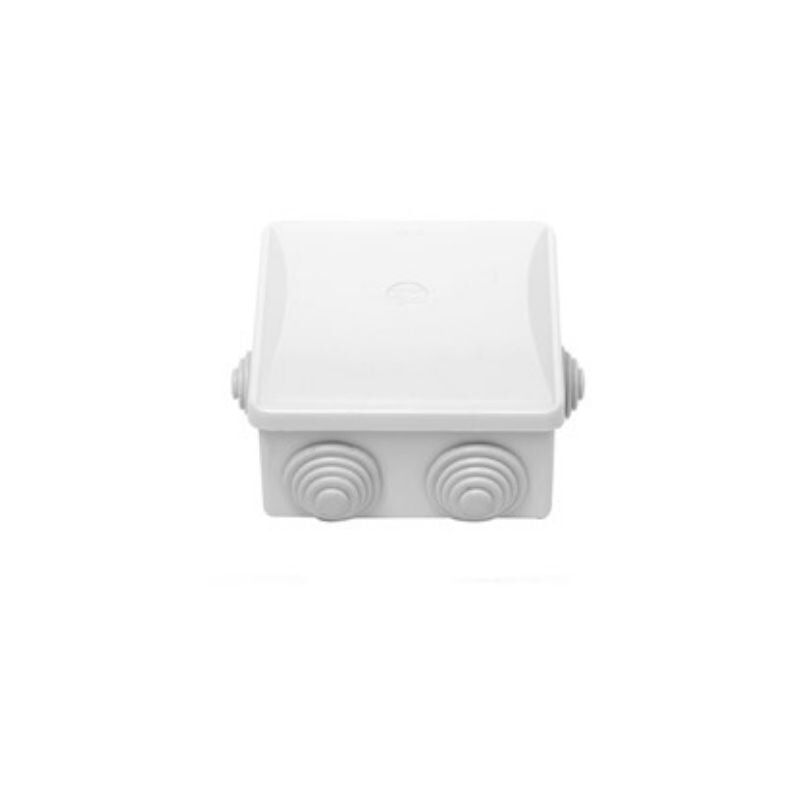
Electrical connections need to be properly contained and protected, and junction boxes provide an enclosure for suitable connections within an electrical installation.
During a renovation, junction boxes may be required in different areas depending on how circuits are being extended, altered or reorganised.
Their location and accessibility need to be considered carefully.
They should not simply be hidden wherever there happens to be space.
Your electrician will determine the appropriate type and location based on the circuit and installation requirements.
For installations requiring a more substantial enclosure, products such as the Combi Box 110 x 110 Wiska 607/5 Grey may also be relevant depending on the application.

5. Electrical cable
Cable is behind almost every electrical feature in a renovated home, from sockets and lighting to fixed appliances and other circuits.
Different applications require different cable types and conductor sizes.
The correct choice depends on factors such as circuit design, electrical load, installation method and protection requirements.
This is one area where product selection should always be left to the electrician rather than based on price or physical appearance.
The range includes products such as PVC Cables, which may be used for appropriate electrical applications as specified by the installer.
NYM Cable is also available within the electrical range for suitable installations.
Earthing is another fundamental part of an electrical installation.
Products such as Single Green Earth Cable 6mm are available for applications where that specification is required.
Renovation tip
If walls, floors or ceilings are already open during the renovation, discuss future requirements with your electrician at that stage.
Planning possible additional circuits or cable routes before everything is closed up may save considerably more disruptive work later.
-
-
-
-
- Single Green Earth Cable 6mm€172.64


6. Conduit and trunking
Conduit and trunking help protect, contain and organise electrical cables.
The most appropriate system will depend on where the wiring is installed and whether it is concealed or surface mounted.
In utility areas, garages, workshops and some renovation situations, surface-mounted wiring may be preferable because it remains accessible and avoids unnecessary disruption to finished surfaces.
Trunking offers a practical means of containing and organising suitable cable runs.
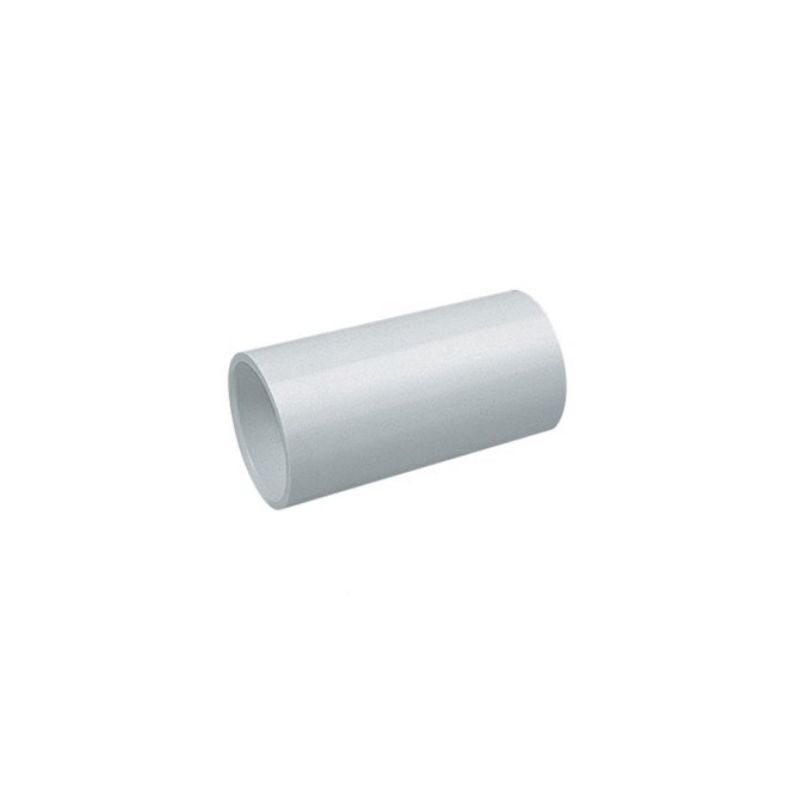
For other installations, products such as Conduit Round 20mm x 2 metres can provide cable containment, with matching components such as Conduit Round Coupler 20mm White and Conduit Round Bends 20mm White helping create a complete route.
There is also 20mm Steel Conduit Pre Galvanised 3.75m for applications where a more robust metal conduit system is appropriate.
Planning cable routes before decorating can help achieve a much cleaner final result.




7. Fused connections
Not every appliance should necessarily be connected through a conventional plug and socket.
Some fixed appliances and electrical equipment may require a fused connection unit, depending on the manufacturer's instructions and the electrical design.
Fused connection units provide a local means of protection and, depending on the product, isolation for appropriate fixed equipment.
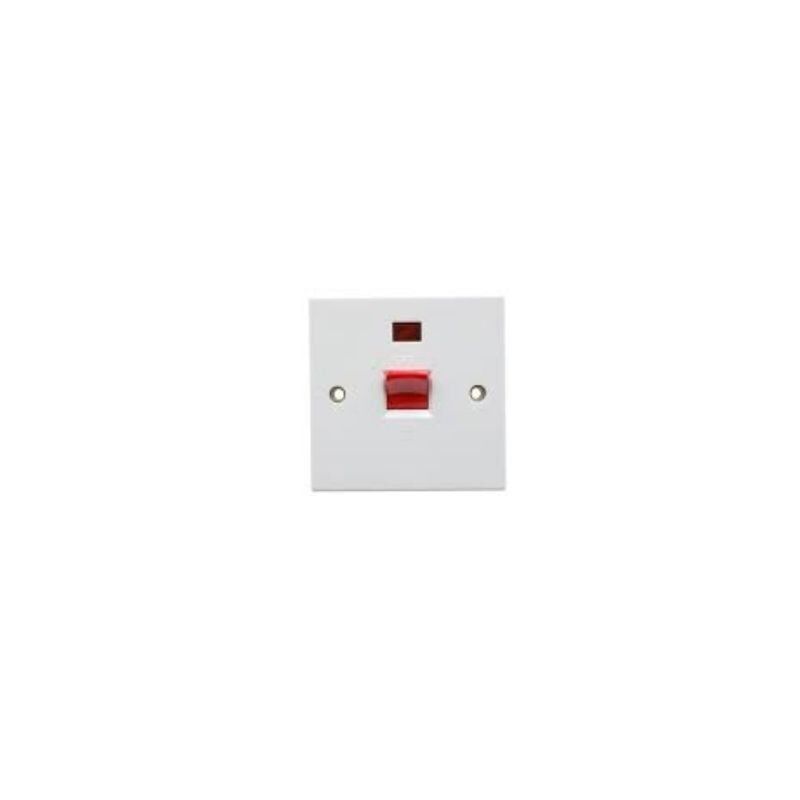
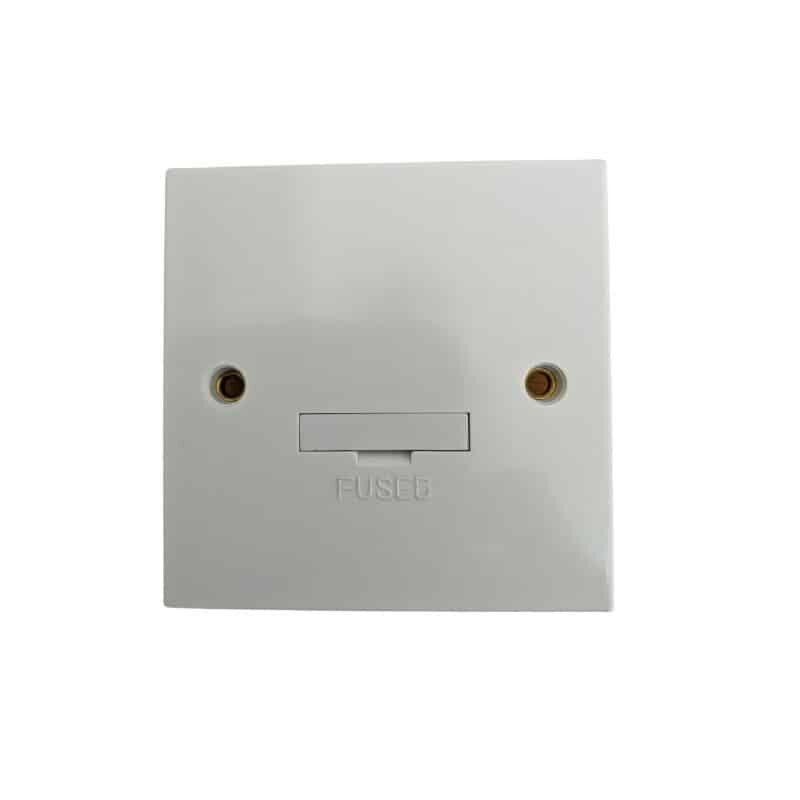
The Pre Pack 13A Unswitched Fused Connector Box is one example available within the range.
Another consideration is whether an appliance requires a switched or unswitched connection and whether an indicator is useful.
These decisions should be made with your electrician based on what is being connected and where the connection will be positioned.
Renovation tip
Create a list of all fixed electrical appliances before the electrician begins first-fix work.
This is especially useful when planning kitchens, utility rooms and heating-related equipment.


8. Circuit protection
The visible switches and sockets may receive most of the attention during a renovation, but the protective equipment at the distribution board is fundamental to the safety of the installation.
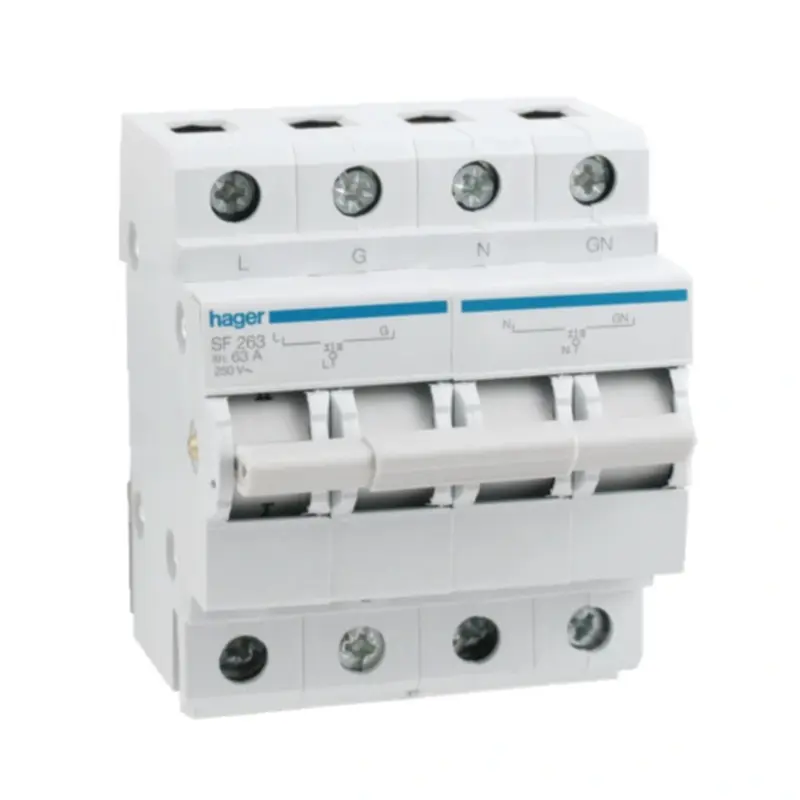
Miniature circuit breakers are designed to protect electrical circuits against conditions such as overloads and faults.
Other protective devices within a modern electrical installation perform different safety functions.
If an older property is being substantially renovated, it is worth asking your Registered Electrical Contractor to assess the existing consumer unit or distribution board as part of the overall electrical inspection.
Products such as MCB – Miniature Circuit Breakers are available within the My Building Supplies electrical range.
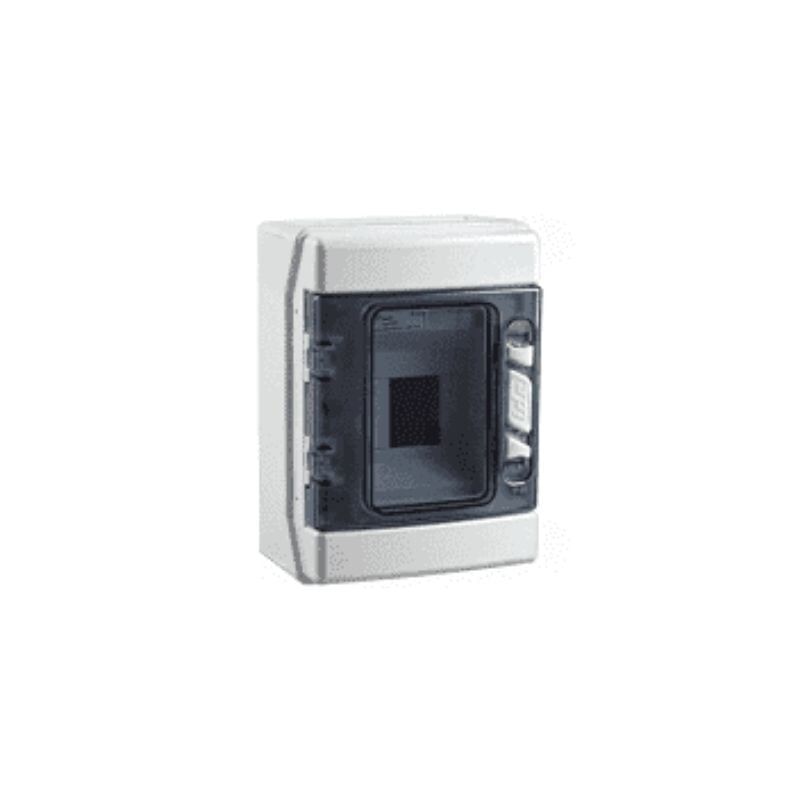
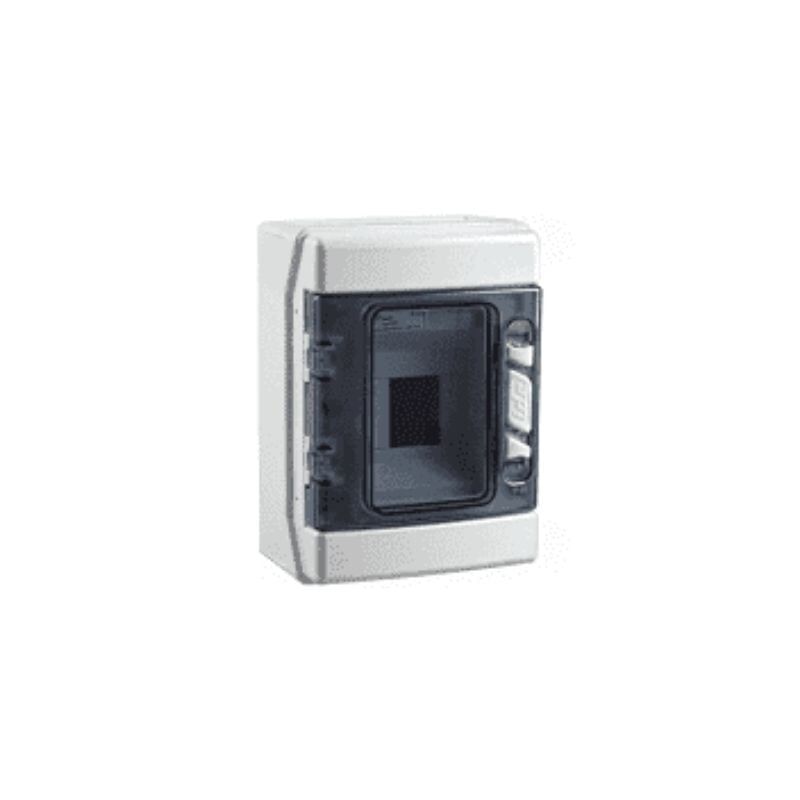
For smaller suitable installations, products such as the Garo 4 Module IP65 Distribution Board and Garo 6 Mod Distribution Enclosure are also available.
The correct protective equipment and ratings must always be determined by a qualified electrical contractor.


9. Outdoor electrical points
If you are carrying out a larger renovation, it is worth considering the outside of the home at the same time.
Outdoor sockets can be useful for garden tools, pressure washers, lighting and other equipment.
Planning them while electrical work is already underway can be easier than adding them afterwards.
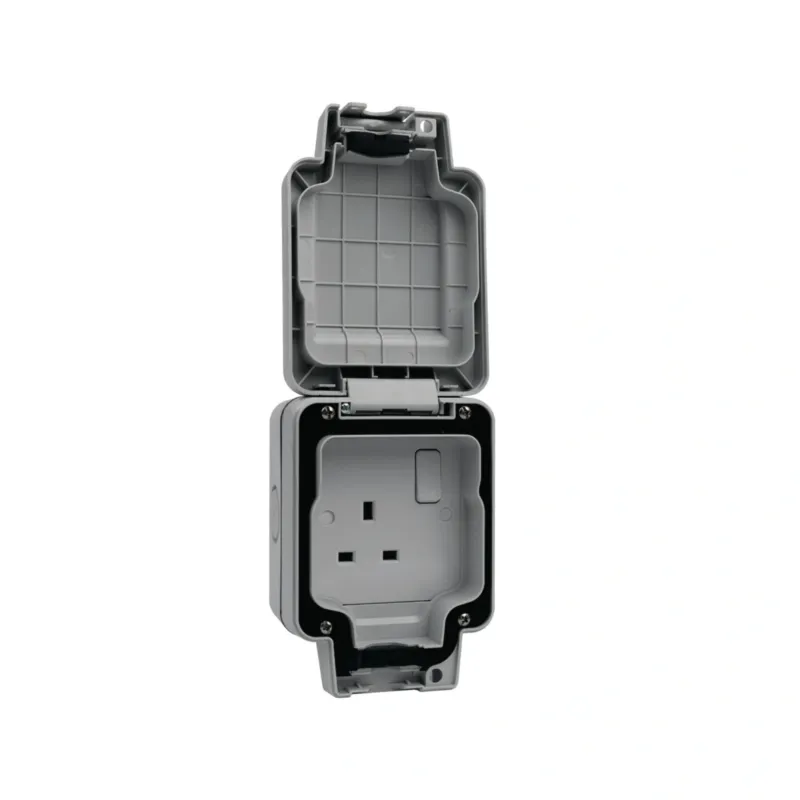
Weather protection is particularly important outdoors, so accessories must be suitable for their intended environment.
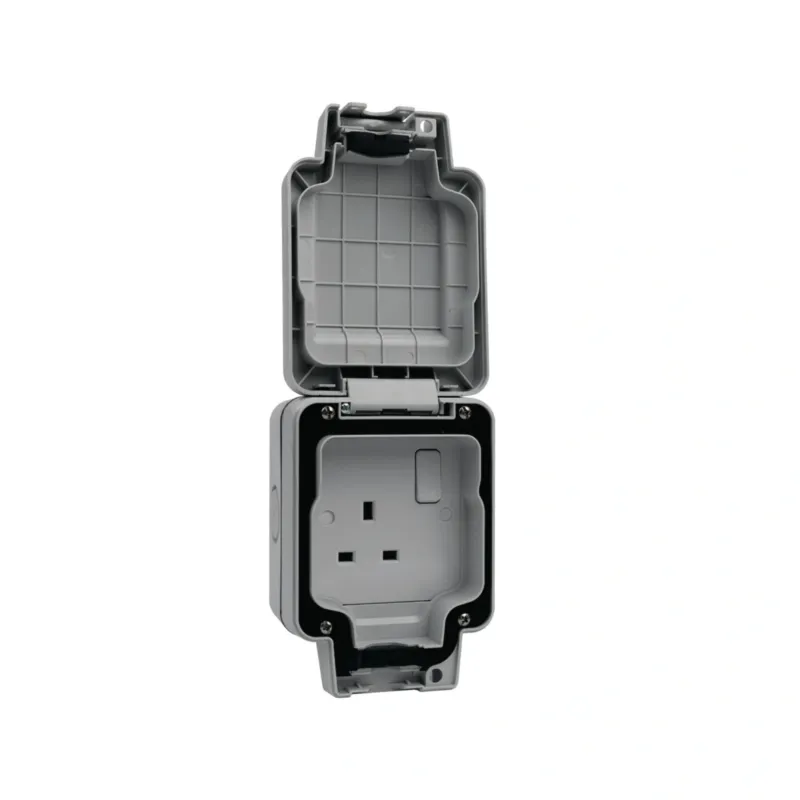
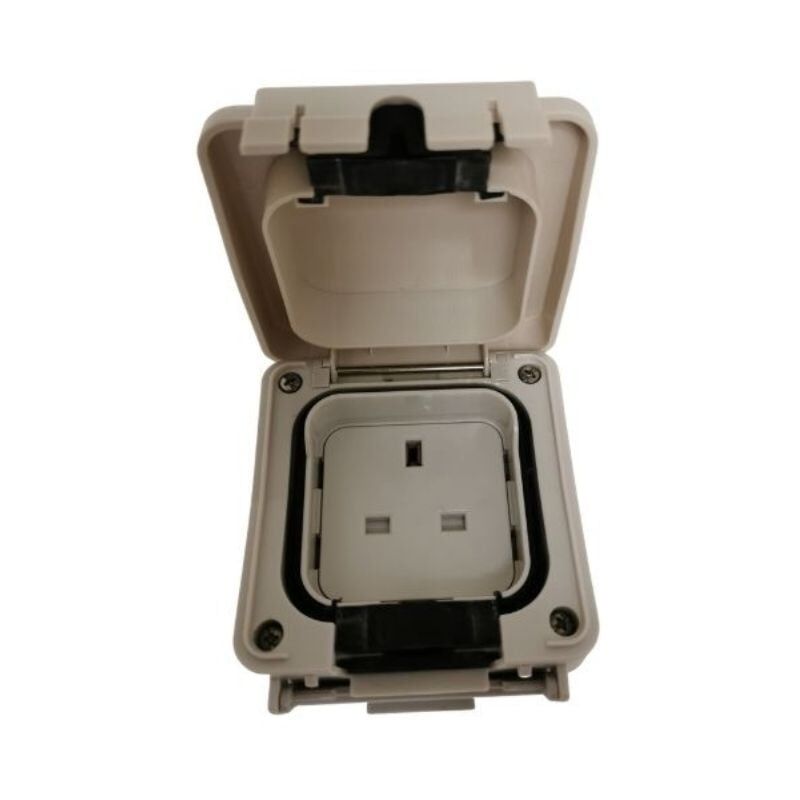
The 1 Gang IP56 Weatherproof Socket PWS/1 provides an option specifically designed for suitable weather-exposed applications.
The range also includes products such as RAG20 IP65 Glands PVC 20mm, which may be used as part of appropriate protected cable entries.
Discuss outdoor lighting, sockets, garden buildings and future landscaping plans with your electrician before the renovation is completed.

10. Future-proofing your electrical installation
A renovation provides a valuable opportunity to think beyond what you need today.
Technology and household requirements change, and adding electrical infrastructure after walls, flooring and decoration have been completed can be inconvenient.
Consider where you might eventually want:
- A home-office workstation
- Additional television or media equipment
- USB charging points
- Outdoor lighting
- Garden power
- Security cameras
- Smart-home devices
- Additional kitchen appliances
For example, the range includes an Energizer Smart WiFi Plug Socket, which can provide smart control for suitable connected devices.
There is also an Energizer Smart WiFi Pan & Tilt Indoor Camera for homeowners considering connected security or monitoring as part of their renovation plans.
You do not necessarily need to install every smart device during the renovation, but thinking about future requirements while electrical work is already taking place can make future upgrades easier.
-
- Energizer Smart Lightbulb Wifi LED Colour Changing 9W (For replacing 60W)€10.95 Regular Price €10.95








Plan your electrical layout before the finishing work starts
One of the biggest advantages of renovating is having the opportunity to decide how you actually want each room to work before everything is finished.
Walk through the planned layout room by room and think about everyday activities rather than simply replicating the electrical setup that was there before.
Consider:
- Where furniture and appliances will be positioned
- How many sockets each room realistically needs
- Where phones and other devices are likely to be charged
- Where televisions and home-office equipment will go
- How you will enter and leave each room
- Whether outdoor power will be required
- Whether additional lighting zones would be useful
- What electrical requirements future renovations might create
A little additional planning at the beginning can make the finished home much more convenient to live in.
Electrical safety during a home renovation
Electrical work is not an area where shortcuts are worth taking.
In Ireland, homeowners should use a Registered Electrical Contractor for electrical installation work in the home.
Depending on the work carried out, the relevant certification should also be provided when the installation is complete.
If renovation work takes place close to overhead electricity supplies or involves substantial work outside the property, additional precautions may also be required.
Always discuss the electrical scope of your renovation with a qualified contractor before purchasing installation products in large quantities.
This helps ensure that the products, ratings and quantities ordered are appropriate for the actual design.
Get the electrical essentials for your renovation
A successful electrical renovation is ultimately about planning how the home will be used.
Switches need to be where they are naturally reached.
Sockets need to be where appliances and devices will actually be used.
Cable routes, boxes and protective equipment need to be considered before walls are closed, and future requirements are easier to accommodate when they are discussed early.
From switches and sockets to junction boxes, dry-lining boxes, cable, conduit and fused connections, My Building Supplies offers a wide selection of electrical products for renovation projects.
Plan the installation with your electrician first, then choose the products required to turn that plan into a practical, well-organised electrical setup.
Important:
Always use a Registered Electrical Contractor for electrical installation work and follow the relevant manufacturer's instructions and Irish electrical safety requirements.