Why spring is ideal for home energy upgrades
When we think of insulation, it’s usually in the context of winter: freezing nights, draughty hallways, condensation on the windows, and the sound of the heating system working overtime.
It’s no wonder that many homeowners only consider insulation upgrades when the cold weather sets in.
But in reality, spring is one of the most practical and cost-effective times of year to take action.
With longer daylight hours and milder temperatures, spring provides the perfect conditions for both minor upgrades and full-scale retrofits.
Installers are generally more available, materials are easier to handle in dry conditions, and you can get ahead of the seasonal rush that often begins in late summer.
On top of that, energy costs remain high, and many households are still feeling the pinch from increased heating bills over the past few years. Improving your insulation now means you’ll not only be ready for next winter, but you’ll also benefit from a more comfortable home in the warmer months — particularly in attic spaces and upper floors.
Best of all, the SEAI continues to offer generous grants for a wide range of insulation measures — from attic rolls to external wall wrap systems — making this the ideal moment to invest in long-term savings, comfort, and sustainability.
Why insulate in spring?
- Favourable weather conditions
Spring offers mild, dry weather — ideal for installing insulation without battling extreme temperatures or moisture. No delays, no mould risks, and no uncomfortable indoor conditions. - Prepare for summer heat
Good insulation isn’t just about keeping the cold out — it also helps keep your home cool in summer. Roof and attic insulation, in particular, can prevent your upstairs rooms from becoming unbearably warm when the sun returns. - Smoother scheduling
Builders and insulation installers tend to get busier in the autumn and winter months. Tackling the job in spring often means shorter lead times, better availability, and possibly lower rates. - Take advantage of SEAI Grant timelines
Spring is a great time to start the paperwork and site assessments for SEAI grants. Waiting until autumn often means longer turnaround times and more competition for approved contractors. - Reduce moisture & mould risks before humid weather
Ireland’s damp climate means insulation must work hand-in-hand with ventilation. Upgrading in spring ensures your home is protected before the summer humidity arrives, reducing the risk of condensation and mould — especially in older properties. - Boost comfort during seasonal allergies
Better insulation and air sealing can improve indoor air quality, helping to reduce the amount of pollen and pollutants that enter the home — a welcome benefit during hay fever season. - Improve your BER before selling or renting
Spring is a peak time for the property market. If you’re planning to list your home, improving your Building Energy Rating (BER) with upgraded insulation can increase your home’s value and appeal to buyers or tenants.
How to boost your BER Rating
Upgrading insulation is one of the quickest, most cost-effective ways to improve your Building Energy Rating (BER) — and spring is the perfect time to get it done.
A better BER can significantly increase your property’s appeal.
Buyers and tenants are more energy-conscious than ever, and a home with strong insulation, lower running costs, and a solid BER certificate stands out in the market.
In fact, many lenders now offer green mortgage incentives tied to BER performance — so improving your rating can even open doors to better financing.
Even if you're staying put, futureproofing your home makes sense.
Good insulation ensures a more comfortable home all year round and helps protect against rising energy costs, all while reducing your environmental impact.
Once your upgrades are in place — whether it’s attic rolls, cavity wall insulation or external wrap systems — you’ll need to have your BER reassessed to reflect the improvements.
This is done by a SEAI-registered BER assessor, who will visit your home and evaluate key elements like insulation, glazing, heating systems, and airtightness.
The data is processed through Ireland’s DEAP software, which calculates your home’s new energy efficiency rating and issues an updated BER certificate.
It’s worth scheduling this reassessment soon after completing works — especially if you’re applying for SEAI grants, planning to sell, or want to access green finance options.
By acting now, you’ll be ahead of the curve — your home will be warmer, more efficient, and more valuable come next winter.
SEAI Grants you can claim
One of the biggest advantages of upgrading your insulation in Ireland is the financial support available through the Sustainable Energy Authority of Ireland (SEAI).
Whether you’re making small improvements or planning a full retrofit, there are generous grants on offer to help cover the costs — making it more affordable than ever to improve your home’s energy efficiency.
Here’s what you could claim:
- Attic Insulation – Up to €1,500
- Cavity Wall Insulation – Up to €1,700
- External Wall Insulation (Wrap System) – Up to €6,000
- Internal Wall Insulation (Dry-Lining) – Up to €4,500
You can apply for individual measures, or if you're taking on a full energy upgrade, you may be eligible under SEAI’s One Stop Shop scheme.
This approach offers greater support by coordinating works, grant paperwork, and BER assessments — ideal if you’re upgrading multiple elements of the home in one go.
Whether you're a homeowner looking to reduce bills or a landlord aiming to meet energy performance standards, these grants make a real difference.
However, navigating the various schemes and requirements can be a bit daunting at first.
That’s why we’ve put together a full breakdown of how the system works, what you need to know before applying, and how to make the most of the funding available.
Read our full guide here: How to Upgrade Your Home’s Energy Efficiency with SEAI Grants
What are the best insulation products?
The right materials not only improve your comfort but also boost energy efficiency and lower long-term energy bills.
We've stocked a variety of high-quality products to support your insulation projects, whether you're upgrading your attic, insulating walls, or addressing specific areas of concern like air-tightness and moisture control.
Here’s a selection of key products we carry this spring, all designed to help make your home more energy-efficient and comfortable:
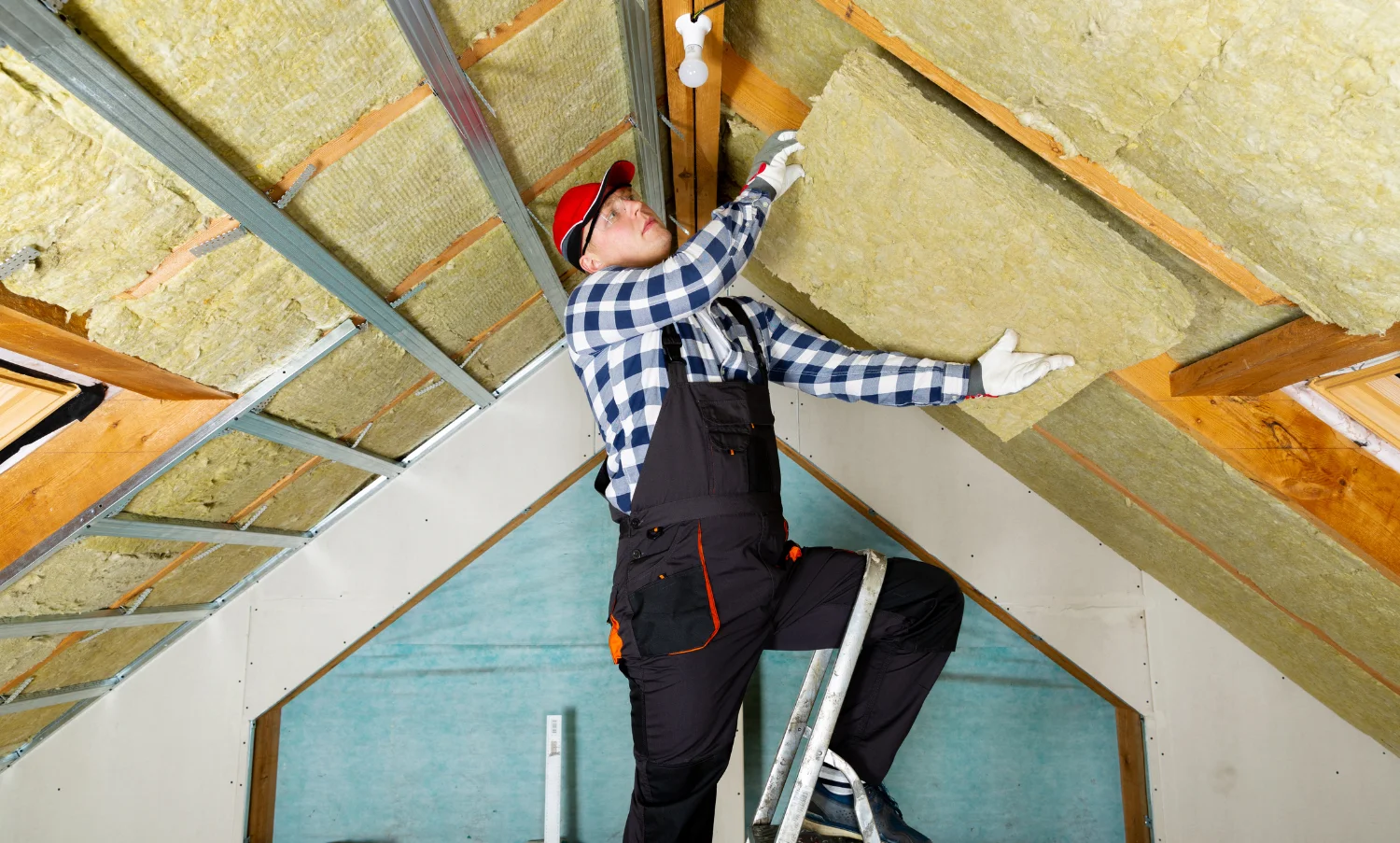
Loft rolls & attic insulation boards
Attic insulation plays a critical role in keeping your home energy-efficient, especially during the colder months.
The Knauf Earthwool Insulation Loftroll offers great value for high-quality, effective insulation. Available in various thicknesses, it provides optimal thermal performance.
If you're after something with both thermal and acoustic properties, the Metac Isover Acoustic & Thermal Insulation Roll is a solid choice for reducing both heat loss and noise. This product helps in creating a quiet, warm atmosphere upstairs, especially useful for homes with bedrooms in the attic.
For thicker insulation, the Knauf Earthwool Insulation Loftroll 44 (200mm x 6.84m²) is a great option for ensuring your home stays warm without excessive heating costs. It’s especially beneficial for homes with older or poorly insulated attics.
Roof Insulation: Keep Your Home Warm and Efficient
Roof insulation is another important step for reducing heat loss and improving your home’s overall energy efficiency. Proper roof insulation ensures that the warmth stays inside, while also preventing heat from escaping through your attic or roof space.
Unilin RafterLoc Rafter Insulation for pitched roofs is a great option to boost your home's thermal performance. With its high-quality insulation properties, this product is available in various thicknesses, making it adaptable to different roof designs and helping to maintain a comfortable temperature throughout your home.
For those looking for an easy-to-install, cost-effective solution, Superfoil Double Foil Bubble Insulation SFBA MP is an excellent choice. This product provides excellent thermal resistance and acts as both a moisture barrier and an insulating layer, perfect for preventing drafts and improving your roof’s overall performance.
If you're dealing with flat roofs, Unilin FR/ALU Flat Roof Insulation (Xtratherm) offers superior thermal efficiency with its aluminium and foil layers, designed specifically to ensure long-lasting performance. This option is perfect for flat roofs and can significantly enhance your home’s insulation, making it warmer in the winter and cooler in the summer.
Breathable membranes & vapour barriers
Effective insulation goes hand-in-hand with moisture control.
Breathable membranes and vapour barriers help maintain a healthy indoor environment by allowing moisture to escape while preventing heat from escaping.
A products like Tyvek Supro Felt is a great choice for roof and wall applications. It’s designed to keep your home dry, prevent condensation, and improve energy efficiency by reducing heat loss through roofing and walls.
If you’re tackling a larger roof or wall area, the Tyvek Supro Felt Breather Roofing Membrane (1.5 x 50m) offers excellent durability and moisture control.
Air tight membranes
An airtight home is a key part of energy efficiency. Installing an airtight membrane helps prevent heat loss and ensures that insulation materials work as effectively as possible.
The Intello Plus Vapour Check Barrier is a top-rated option for creating airtight seals around windows, doors, and other junctions.
If you’re looking for a cost-effective yet effective alternative, the PHS Astra Air Tight Membrane also offers great performance for sealing homes against draughts.
The Gerband SD Air Tight Membrane provides an affordable and reliable solution, ensuring your home remains airtight and energy-efficient, reducing your need for heating.
Eco-friendly insulation options
For environmentally conscious homeowners, we offer a selection of eco-friendly insulation materials that provide both sustainability and performance.
Sheep Wool Insulation is a fantastic choice for those seeking a natural, renewable material with excellent thermal and acoustic properties. This insulation not only helps regulate temperature and sound, but it's also biodegradable and sustainable, making it a perfect fit for homes that prioritise environmental responsibility.
Additionally, products like Unilin Insulation Strips are designed for high thermal efficiency and are a great alternative for reducing carbon footprints without compromising on insulation performance.
Let’s start?
Spring isn’t just for tidying the garden — it’s the smartest time to insulate.
By upgrading your insulation now, you’ll beat the seasonal rush, save on energy bills, and benefit from SEAI grants to help cover some of the costs.
Whether you're a homeowner, self-builder, or retrofitting an older property, insulation is an upgrade worth doing now — not when the next cold snap hits.
Our team is here to guide you through selecting the right materials and ensuring you make the most of available grants.
Whether you're looking to improve your BER rating or simply reduce your heating costs, there’s no better time than now to invest in better insulation.
Visit us in-store for expert advice or get in touch with us by email or phone.
You can also email us at [email protected] or call 0818 888 000.