Keeping the Chill Out: Improving Air Tightness for Winter
As winter approaches here in Ireland, there is no getting away from these darker evenings and a bit of a chill in the air.
Unfortunately, many homes in Ireland suffer from poor air tightness, which can lead to drafts, heat loss, and ultimately higher energy bills.
The good news is that improving air tightness is a cost-effective way to keep your home comfortable and energy-efficient during the colder months.
So let's take a look at practical steps to enhance air tightness in your home and keep the winter chill at bay.
Identify Air Leaks
The first step in improving air tightness is to identify areas where air is entering or escaping your home.
Common culprits include windows, doors, vents, and electrical outlets.
On a windy day, you can often feel drafts around these areas.
Use a lit incense stick or a thermal leak detector to pinpoint leaks more precisely.
Seal Gaps and Cracks
Once you've identified air leaks, it's time to seal them.
Use air tightness tape, caulk, or expanding foam to seal gaps around windows and doors.
Pay special attention to areas where different building materials meet, as these are common sources of leaks.
Upgrade Windows and Doors
Old or poorly insulated windows and doors are major contributors to air leaks.
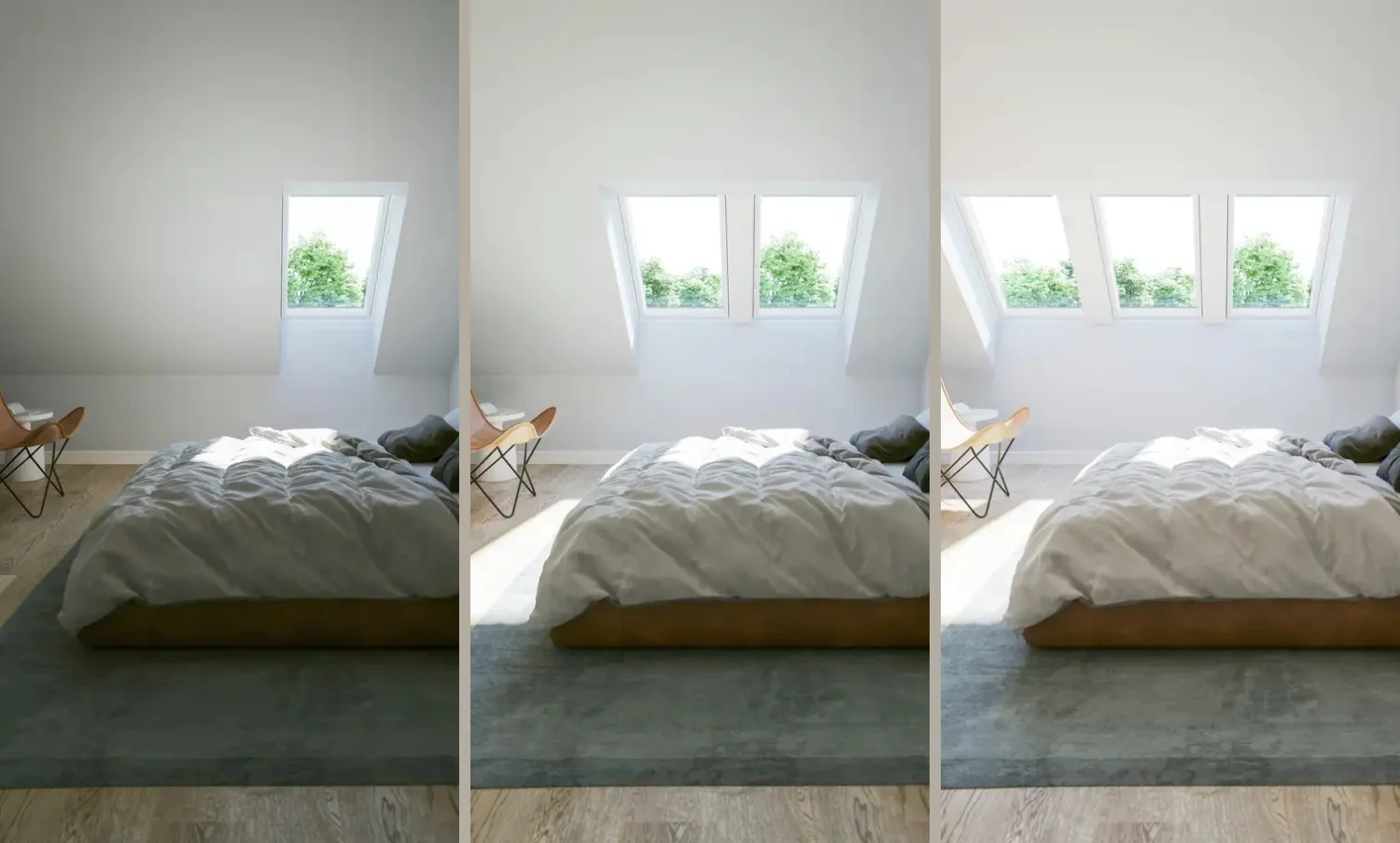
Consider upgrading to energy-efficient double-glazed or triple-glazed windows and well-insulated doors.
These improvements not only enhance air tightness but also reduce energy costs.
Install Draft Stoppers
Draft stoppers or door sweeps can help prevent cold air from seeping in under doors.
They are easy to install and can make a significant difference in keeping your home warm and cozy.
Insulate Your Home
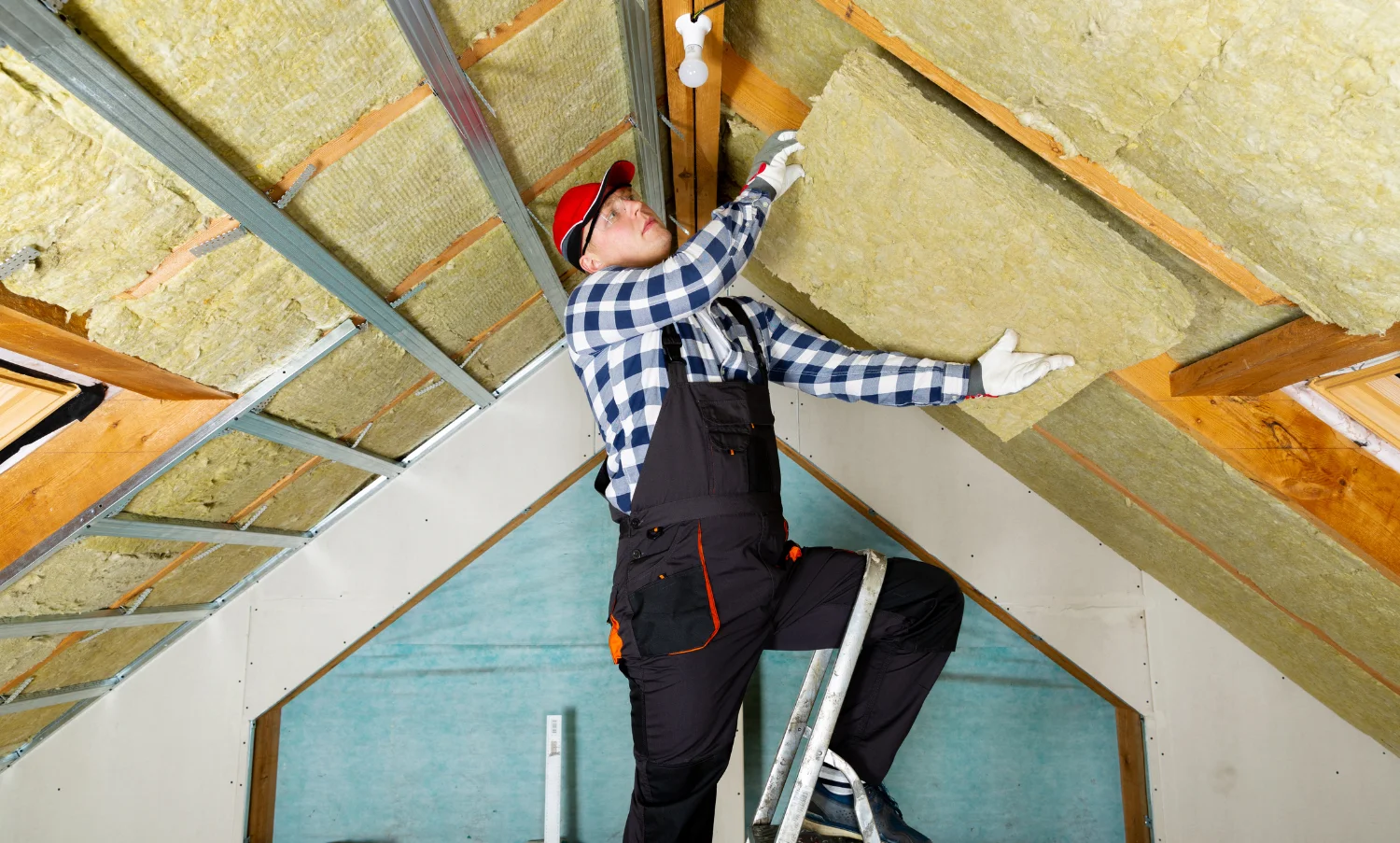
Proper insulation is crucial for maintaining air tightness.
Insulate your attic, walls, and floors to prevent heat from escaping.
This not only keeps your home warmer but also reduces your heating bills.
Ventilation
While improving air tightness is essential for winter comfort, it's also crucial to maintain proper ventilation to avoid indoor air quality issues.
Use trickle vents or mechanical ventilation systems that can exchange indoor air for fresh outdoor air without compromising air tightness.
Professional Assessment
Consider hiring a professional energy auditor or home inspector to conduct a comprehensive assessment of your home's air tightness.
They can identify hidden issues and provide specific recommendations for improvement.
DIY vs. Professional Help
Many air tightness improvements can be done as DIY projects, but for complex issues or major upgrades, it's wise to seek professional help.
They have the expertise and equipment to tackle more challenging tasks effectively.
So as winter approaches here in Ireland, improving the air tightness of your home is a practical and cost-effective way to keep the cold at bay, reduce energy bills, and create a more comfortable living environment.
By identifying and sealing air leaks, upgrading windows and doors, and properly insulating your home, you can enjoy a warmer and more energy-efficient winter season.
Remember that maintaining a balance between air tightness and ventilation is key to a healthy and comfortable indoor environment.
We have everything you need to get the job done and our friendly and helpful team are on hand to advise what will be best for your project - so just get in touch and we will be happy to help.
-
 February 22, 2023