How to choose the right flue and accessories for solid fuel stoves
When setting up a solid fuel stove, selecting the correct flue and accessories is essential for ensuring efficiency, safety, and long-term performance.
Flues are designed to expel the combustion gases from your stove, and choosing the right one depends on the type of stove, the fuel used, and the installation requirements.
This guide explores the different types of flue systems available and matches them with the appropriate stoves to help you make the best choice for your heating setup.
The difference between flues
Flues are essentially pipes that vent the smoke and gases produced by a stove, ensuring proper air circulation and keeping your indoor air safe.
Flue systems come in different materials and designs, each suited to specific applications.
- Single Wall Flue (System 1): A basic stainless steel option, ideal for connecting a stove to an existing chimney. Suitable for multi-fuel and wood-burning appliances and perfect where a traditional chimney already exists.
- Twin Wall Flue (System 2): Insulated for higher efficiency, retaining heat within the pipe and allowing gases to vent at higher temperatures. Suitable for installations without an existing chimney or in varied environments, including residential, commercial, or industrial settings.
- Vitreous Enamelled Steel Flue (System 7): Designed to connect stoves to existing lined chimneys or twin wall flues. Carbon steel coated with enamel ensures durability, high-temperature resistance, and a visually appealing finish matched to your stove.
- Pellet Stove Flue (System 8): Specifically for pellet stoves, built to withstand high pressure from the combustion fan. Offers high efficiency and is ideal for sustainable pellet fuel use.
- Flexible Flue Liners (System 35): Made from 904 grade stainless steel, perfect for relining masonry chimneys. Suited for solid fuel, oil, gas, and multi-fuel appliances, particularly effective in condensing applications.
Choosing the right flue for your stove
Selecting the right flue depends on the stove type and fuel used. Pellet stoves, for example, require systems like System 8 that can handle high-pressure combustion.
Solid fuel insert stoves installed in existing masonry chimneys often use a combination of System 1 and System 35 to ensure correct venting.
Understanding stove types
Stoves come in various types and sizes, each designed for different heating requirements:
- Multi-fuel Stoves: Burn wood, coal, peat, or compressed logs. Require versatile flue systems due to varied gases and particulate matter.
- Wood Stoves: Specifically for wood, needing flues that handle moisture and acidic content.
- Pellet Stoves: Powered by compressed wood pellets. Require flues designed for high-pressure fan combustion.
- Boiler Stoves: Heat rooms and provide hot water. Flue choice depends on existing chimneys and the building layout; may combine multiple flue systems for efficiency and safety.
Matching flues to stoves
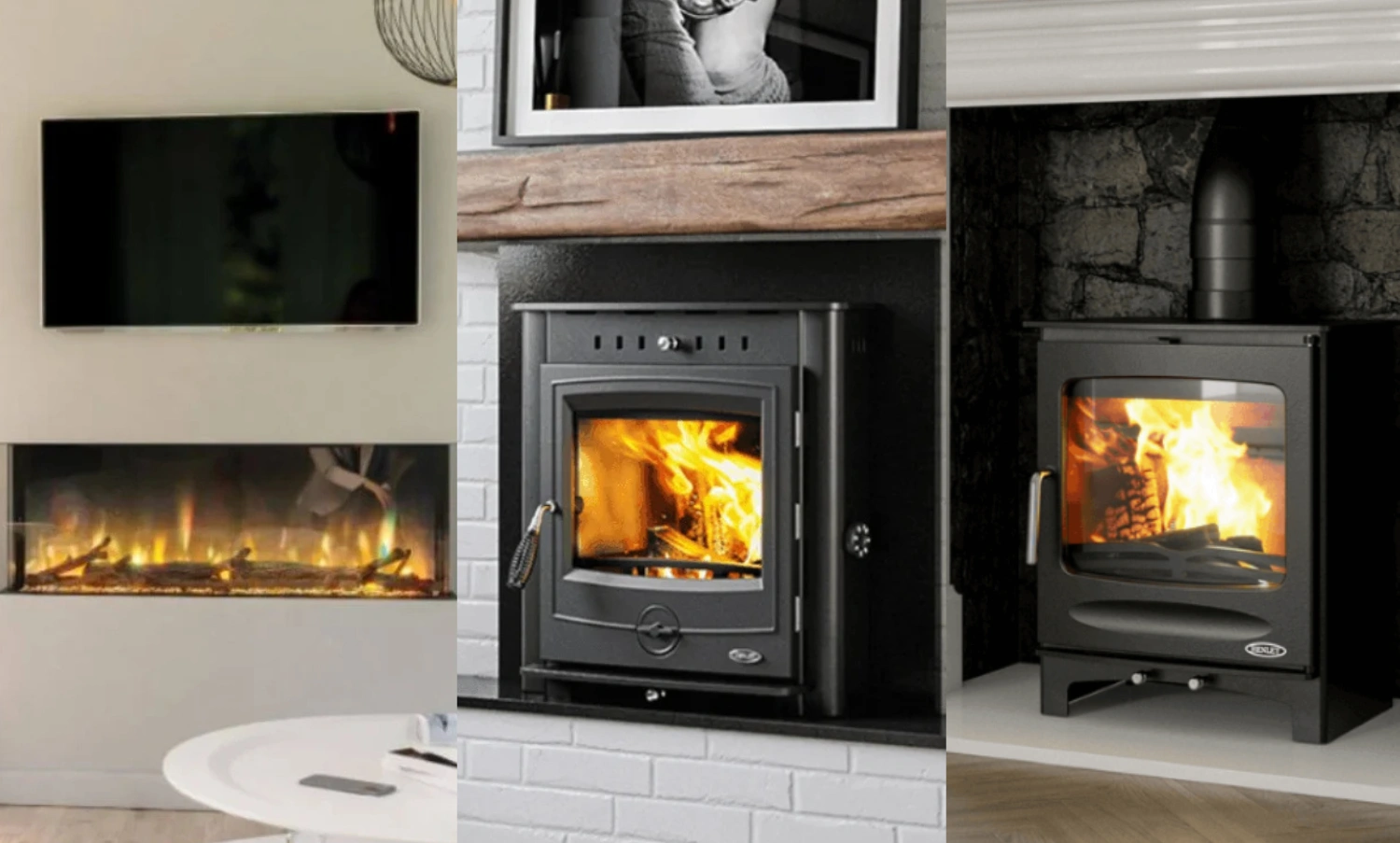
Henley Severn 8kW Multi-Fuel Eco Stove – No Existing Chimney
Flue Match: Combination of System 7 and System 2 Twin Wall Insulated Chimney.
System 7 connects directly to the stove, while System 2 continues through walls or the roof, ensuring safe, efficient venting.
Henley Pellet Stove 8kW ELM 8
Flue Match: System 8 Vitreous Enamelled Flue Pipes, with optional integration of System 35 or System 2.
System 8 handles high-pressure combustion, System 35 connects to existing chimneys, and System 2 provides flexibility in installations without chimneys.
Henley Muckross Insert Stove 4.6kW
Flue Match: System 7 Vitreous Enamelled Steel Flue, with optional adaptation to System 35.
System 7 is ideal for direct connection to existing chimneys, while System 35 adds reliability where liners require reinforcement.
Stanley Erin Boiler Stove 20kW / 14.2kW
Flue Match: System 2 Twin Wall Insulated Stainless Steel Chimney.
System 2 handles the high heat output efficiently and safely, suitable for both residential and commercial installations.
Conclusion
Choosing the right flue and accessories for your solid fuel stove is essential for safety, efficiency, and durability.
By understanding flue types and matching them to your stove’s requirements, you can optimise performance and enjoy reliable warmth for years to come.
For personalised assistance or further questions, contact our team.
Email: [email protected] | Phone: 0818 888 000