
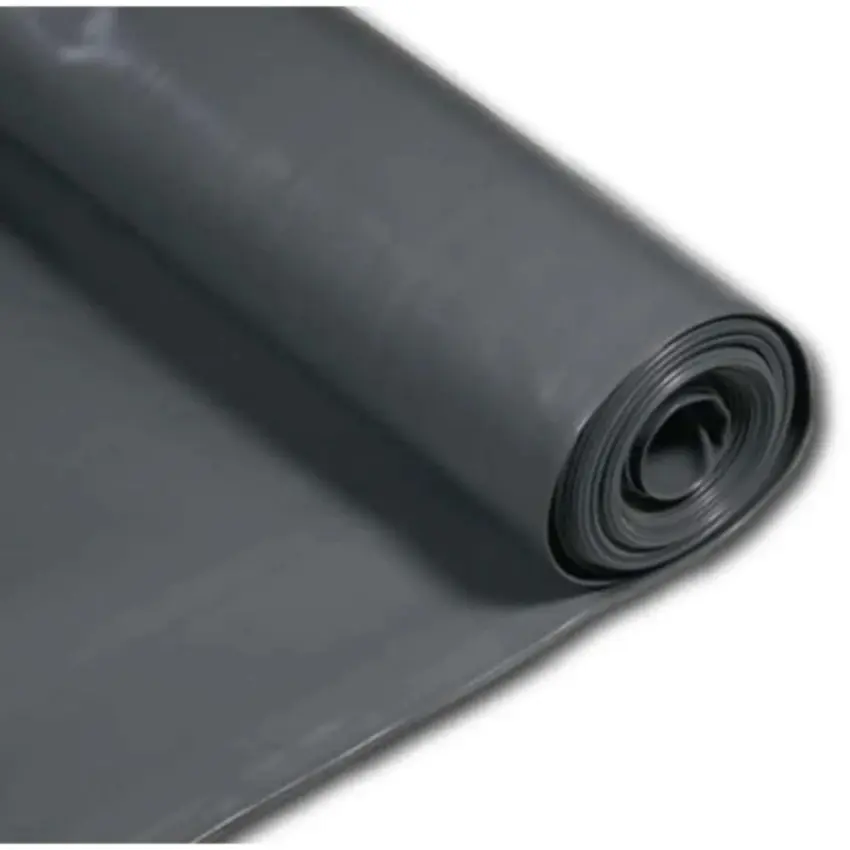
Visqueen Radon Membrane Barrier is manufactured from an enhanced blend of polymer films that is suitable for use in the protection of buildings from the ingress of radon gas.
It is a 0.4mm thick co-polymer thermoplastic membrane.
The product is supplied 4m x 20m in a multi-folded roll.
It also acts as a damp-proof membrane, but is not intended for use where there is the risk of hydrostatic pressure. It can be used in most common floor constructions.
- Manufactured from an enhanced blend of polymer films
- Approved for use in Ireland
- Can be used in most common floor constructions
Dimensions:
- Height/Length: 20m
- Width: 4m
- You can see the Product Data Sheet here
This is not a reinforced membrane.
If you need a reinforced Radon Membrane you can see this membrane which is approx 2.5mm thick and reinforced
When it comes to safeguarding our homes and the health of our loved ones, we often think about visible threats like burglaries, fires, or natural disasters.
However, there's a hidden danger lurking beneath our feet that deserves equal attention: radon gas.
Radon is a radioactive, colourless, odourless gas that can seep into homes from the soil and pose a significant health risk.
To combat this hazard, a radon barrier is a crucial defense mechanism that can protect both your home and your family.
Understanding Radon
Radon is a naturally occurring radioactive gas that results from the decay of uranium in the earth's soil and rocks.
It enters homes through cracks and openings in the foundation, making its way into the indoor air.
Once indoors, radon can accumulate to dangerous levels, increasing the risk of lung cancer.
In fact, radon exposure is the second leading cause of lung cancer in the United States, according to the Environmental Protection Agency (EPA).
The Importance of Radon Barriers
A radon barrier is a protective system designed to prevent radon gas from infiltrating your home.
These barriers act as a shield between the soil and your living space, reducing radon levels to a safe and acceptable range.
Here's why radon barriers are crucial:
- Health Protection: The most significant benefit of a radon barrier is safeguarding your health. By preventing radon from entering your home, you significantly reduce your family's exposure to this carcinogenic gas, decreasing the risk of lung cancer.
- Legal Compliance: In many regions, building codes now require radon-resistant construction techniques, which often include the installation of radon barriers. Failing to comply with these regulations could lead to legal issues when selling or renting your home.
- Home Value: Having a radon barrier in place can increase the value of your home. Potential buyers and renters are increasingly aware of the dangers of radon, and having a mitigation system in place can make your property more attractive.
Types of Radon Barriers
There are several types of radon barriers, including:
- Polyethylene Sheeting: This is a plastic sheet that is laid beneath the concrete foundation of a home during construction. It acts as a physical barrier that prevents radon from entering the living space.
- Gas-Permeable Layer: This layer is installed above the polyethylene sheeting but below the concrete slab. It allows for the collection of radon gas, which can then be vented outside the home.
- Ventilation System: In some cases, a ventilation system may be installed to further reduce radon levels. This system uses fans to exhaust radon gas from beneath the foundation and release it safely into the outdoor air.
Installation and Maintenance
Installing a radon barrier is best done during the construction of a new home, but it can also be retrofitted into existing homes.
Proper installation is crucial to ensure its effectiveness, and it's often wise to consult with a professional radon mitigation contractor.
Maintenance of a radon barrier typically involves periodic inspections and testing to ensure that it continues to function as intended.
If radon levels are still a concern, additional measures may be required, such as sealing foundation cracks or increasing ventilation.
In the battle against radon gas, a radon barrier is a vital defense mechanism that can protect your home and your family's health.
Investing in a radon barrier during construction or retrofitting an existing home can significantly reduce the risk of radon-related lung cancer and provide peace of mind.
Remember, when it comes to radon, prevention is key, and a radon barrier is a powerful tool in your arsenal to maintain a safe and healthy living environment.